Lighting can completely change the way a room feels. In small rooms and apartments the right lighting can make the space look bigger brighter and much more comfortable. Bad lighting does the opposite. It creates dark corners makes ceilings feel lower and can make even a tidy room feel smaller than it really is.
These days designers rarely depend on just one ceiling light. Experts from Architectural Digest and House Beautiful often recommend using different types of lighting together. This usually means combining general lighting task lighting and accent lighting so the room feels balanced and flexible throughout the day.
The good thing is you don’t need a major renovation to get better lighting. Something as simple as adding a lamp switching bulb colors or moving a mirror can completely change how a room looks and works.
This guide covers practical lighting ideas that work well in real apartments and small homes helping you make the most of every bit of space.
Understand the Three Layers of Light

A lot of people try to fix lighting problems by buying a brighter ceiling light. It sounds like the obvious solution but it usually makes the room feel flat and uncomfortable. A much better approach is layered lighting.
Why Layered Lighting Works
Layered lighting means using different light sources for different purposes. Instead of all the light coming from one place it comes from several areas around the room creating more depth and making the space feel more natural.
Most designers like this approach because it helps rooms feel warm inviting and easier to adapt throughout the day.
The three main layers are:
- Ambient lighting for overall brightness
- Task lighting for activities like reading cooking or working
- Accent lighting for highlighting certain areas or features
Each layer has its own job and together they help shape the entire room.
Build Lighting From the Ground Up
Start with ambient lighting first because it creates the base layer. Then add task lighting where you spend time working reading or cooking. After that bring in accent lighting to add character and visual interest.
A Practical Apartment Example
Picture a small studio apartment. The ceiling fixture provides the main light. A desk lamp helps while working and a wall sconce draws attention to a piece of artwork.
Together those light sources make the apartment feel much larger and more useful than one bright ceiling bulb ever could.
Layered lighting is often one of the first things professional designers use because it improves both comfort and appearance without taking up any extra space.
Make the Most of Natural Light

Natural light is still one of the best ways to make a small room feel bigger. Before spending money on new fixtures it’s worth making sure you’re getting the most from the daylight already coming into your home.
Remove Visual Barriers
Heavy curtains bulky furniture and dark window coverings can stop sunlight from spreading through a room.
Instead try:
- Sheer curtains
- Light-filtering blinds
- Low furniture near windows
- Glass and reflective surfaces
These simple choices help sunlight reach deeper into the room.
Position Furniture Strategically
One common mistake is placing large furniture directly in front of windows. That blocks daylight and creates extra shadows.
If possible keep taller furniture away from your main sources of natural light.
Use Light-Colored Surroundings
Light walls ceilings and furniture help bounce sunlight around the room making everything feel brighter.
A small apartment with cream-colored walls and soft white curtains can feel much bigger than the same room painted in darker shades.
Natural light is a valuable design feature. Every choice in the room should help it move freely rather than block it.
Choose Ceiling Lights That Save Space

Ceiling lights still play an important role but the fixture should fit the size of the room.
Avoid Oversized Hanging Fixtures
Large chandeliers can easily overwhelm a small room. On the other hand very tiny fixtures can disappear visually and fail to make an impact.
For compact spaces consider:
- Flush-mount fixtures
- Semi-flush fixtures
- Slim LED ceiling lights
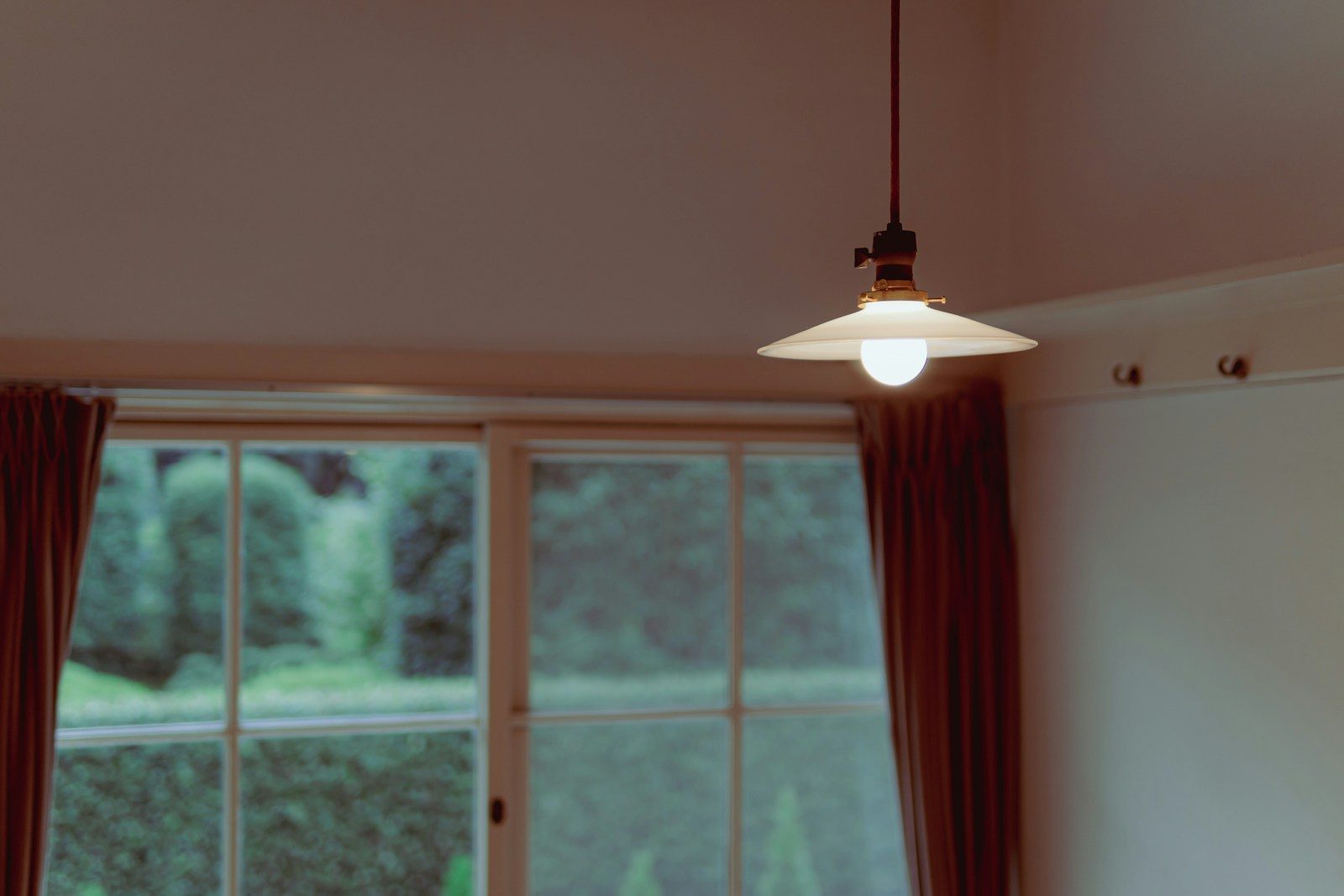
- Compact pendant lights
Keep Headroom Open
Fixtures that hang too low can make ceilings feel lower than they really are.
This is especially important in apartments where ceiling height is usually limited.
Spread Light Evenly
A good ceiling light should distribute light across the room instead of concentrating it in one spot.
Modern LED fixtures available from brands like Philips Lighting often provide broad even lighting while using less energy.
A well-chosen ceiling fixture should support the room quietly rather than become the center of attention.
Use Wall Lighting to Free Up Floor Area

Wall-mounted lighting is one of the smartest choices for small homes because it adds light without taking up floor space.
Replace Bulky Lamps
Wall sconces can often do the same job as table lamps and floor lamps while freeing up room for:
- Storage
- Seating
- Decorative pieces
- Everyday use
In smaller apartments every bit of space matters.
Create Visual Width
When wall lights are placed properly they spread light across the room making narrow spaces feel wider and more open.
Install Lights Near Activity Areas
Wall lights work especially well near:
- Beds
- Reading chairs
- Workstations
- Dining areas
They provide focused lighting exactly where it’s needed while keeping surfaces clear.
Add Floor Lamps Without Creating Clutter

Floor lamps are one of the easiest upgrades for renters because they require no installation and can instantly improve a room.
Choose Slim Designs
Skip bulky lamp bases whenever possible and look for:
- Arc lamps
- Thin-profile floor lamps
- Corner lamps
- Adjustable LED models
These styles provide plenty of light without making the room feel crowded.
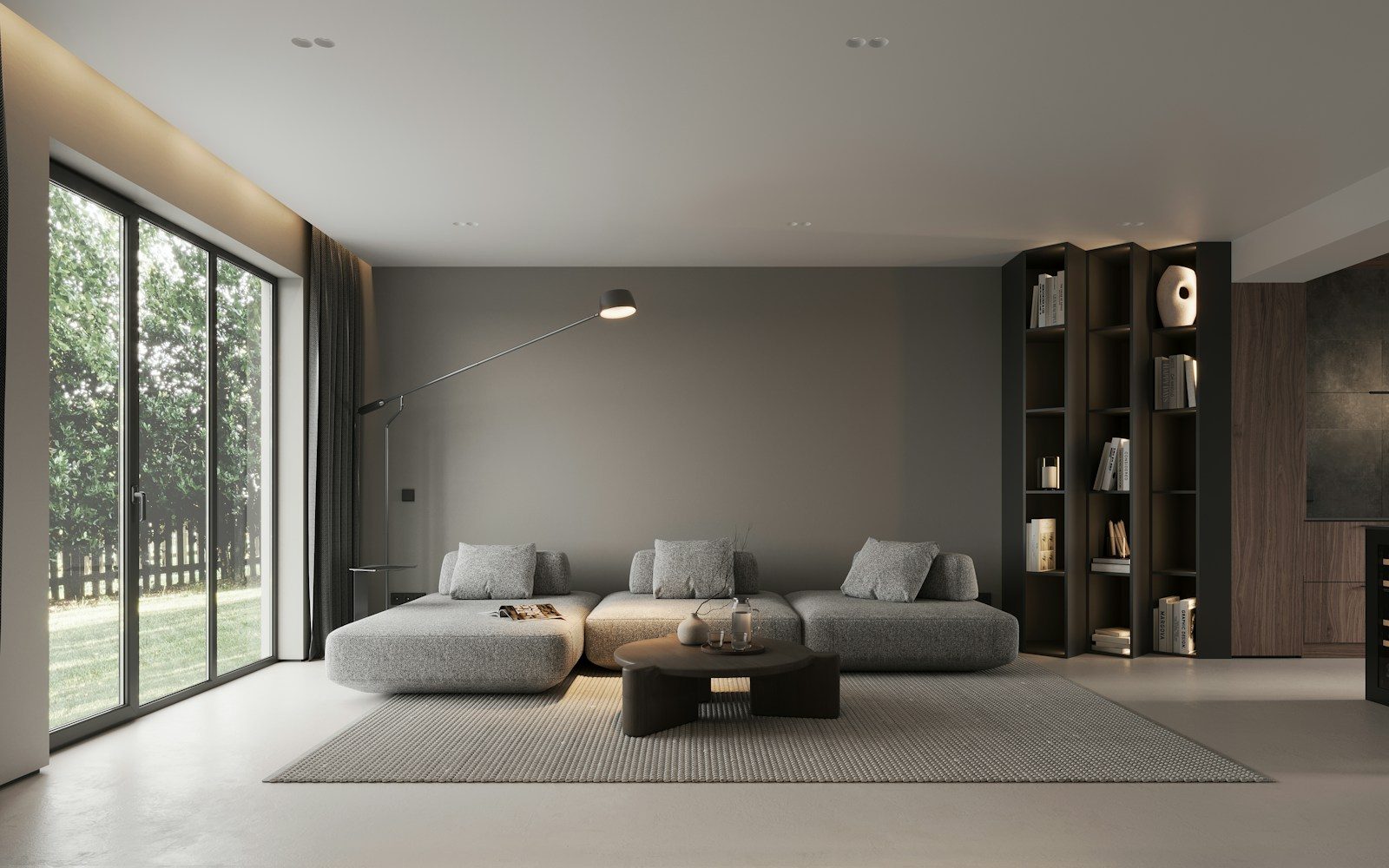
Place Lamps in Underused Areas
Corners often become dark forgotten spaces.
A floor lamp can bring those areas to life and create an attractive focal point.
Use Light to Define Zones
In studio apartments floor lamps can help separate different parts of a room such as:
- Reading areas
- Workspaces
- Lounge zones
This creates better organization without adding walls or dividers.
Place Table Lamps for Warm and Balanced Lighting

Table lamps add warmth in a way ceiling lights rarely can.
Bring Light to Eye Level
Rooms feel more welcoming when light comes from different heights.
Eye-level lighting softens shadows and creates a more comfortable atmosphere.
Use Lamps in Key Locations
Good spots include:
- Side tables
- Console tables
- Desks
- Nightstands
These areas benefit from both the extra light and the visual balance lamps provide.
Pair Lamps With Existing Decor
Choose lamp shapes materials and shades that fit naturally with the furniture already in the room.
Even one table lamp can make a room feel much more inviting in the evening.
Use Mirrors to Multiply Light Effectively

Mirrors have been used for years to make spaces feel bigger and brighter.
Reflect Light Throughout the Room
A mirror placed opposite a window helps spread natural light much farther into the room.
It can create the feeling of extra windows and more openness.
Pair Mirrors With Artificial Lighting
Mirrors don’t just work during the day. They also help reflect light from lamps and sconces around the room.
Think Beyond Traditional Placement
Try placing mirrors:
- Behind lamps
- Above console tables
- Near dining spaces
- Across from windows
When used well mirrors become part of the lighting plan not just decoration.
Light Vertical Surfaces to Make Rooms Feel Larger

Most people focus on lighting furniture and floors but designers often pay more attention to walls.
Why Walls Matter
When walls are illuminated rooms naturally feel larger and brighter.
Lighting vertical surfaces helps draw the eye upward and outward which increases the feeling of space.
Use Indirect Light
Good options include:
- Wall washers
- Uplights
- LED strips
- Wall sconces
These create a softer and more comfortable effect than direct lighting.
Highlight Features
You can also use this technique to showcase:
- Artwork
- Shelves
- Built-in storage
- Textured walls
It adds depth and helps small rooms feel less flat.
Select the Right Bulb Brightness and Color Temperature

Even the best fixture won’t look right if the bulb isn’t suited to the space.
Understand Color Temperature
Different bulb temperatures create different moods.
- 2700K–3000K for warm cozy spaces
- 3500K–4000K for balanced everyday lighting
- 5000K and above for bright task-focused areas
Most living rooms and bedrooms feel best with warmer light.
Match Brightness to Function
Very bright rooms can feel cold while rooms that are too dim often feel cramped.
Choose brightness based on how you use the room rather than simply buying the brightest bulb available.
Create Consistency
Using completely different bulb colors throughout an apartment can feel distracting.
Keeping a similar color temperature across connected rooms creates a smoother and more polished look.
Create Flexible Lighting with Dimmers and Smart Controls

Modern lighting should be able to adapt to whatever you’re doing.
One Room Many Functions
A living room today might also serve as:
- A home office
- An entertainment area
- A reading space
- A dining spot
Each activity needs a different level of brightness.
Install Dimmers Where Possible
Dimmers let you adjust light levels instantly helping improve comfort and reduce energy use.
Explore Smart Lighting
Smart lighting systems from brands like Philips Hue and LIFX offer features such as:
- Scheduled lighting
- Custom scenes
- Voice control
- Energy tracking
They’re especially useful for renters because many options require little or no permanent installation.
Room-by-Room Lighting Ideas for Small Apartments

Different rooms need different lighting approaches.
Living Room
Combine:
- Ceiling lighting
- A floor lamp
- A table lamp
This creates depth and balanced lighting throughout the space.
Bedroom
Wall-mounted reading lights or compact bedside lamps help save valuable nightstand space while still providing comfortable light.
Kitchen and Bathroom
Focus on task lighting with:
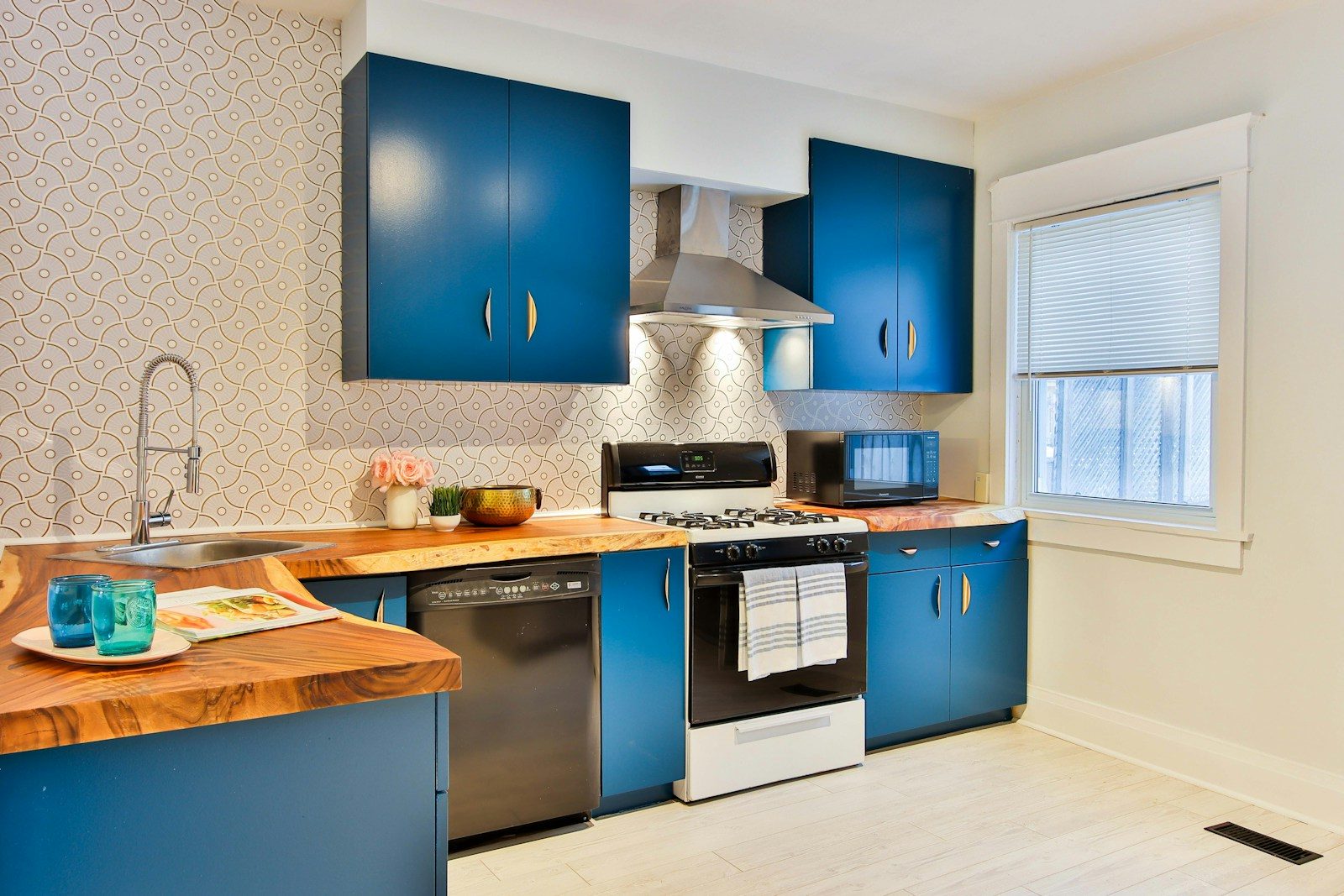
- Under-cabinet lights
- Mirror lighting
- Countertop lighting
Small rooms work best when the lighting supports the activities happening there.
Common Small-Room Lighting Mistakes to Avoid

A lot of lighting problems come from a few common mistakes.
Relying on One Light Source
One ceiling light rarely creates a comfortable room. Layered lighting almost always gives better results.
Ignoring Scale
Fixtures that are too large or too small can throw off the balance of the room.
Watch for These Issues
Avoid:
- Dark corners
- Harsh white bulbs everywhere
- Blocking windows
- Too many decorative fixtures
- Uneven lighting levels
Fixing these issues often makes a bigger difference than buying new furniture.
Budget-Friendly Lighting Upgrades with Big Impact
You don’t need a huge budget to improve your lighting.
Start with Simple Changes
Affordable upgrades include:
- Replacing old bulbs
- Adding a table lamp
- Installing plug-in sconces
- Using LED strips
- Rearranging existing lights
Many of these changes can make a noticeable difference right away.
Prioritize High-Impact Areas
Start with the rooms you use most often such as:
- Living room
- Bedroom
- Home office
Upgrade Gradually
You don’t have to do everything at once.
Adding one quality light source at a time often leads to better results than rushing through a complete makeover.
Conclusion

The best lighting for small rooms isn’t necessarily brighter lighting. It’s smarter lighting. When you combine layers of light make the most of natural daylight use mirrors carefully and place lights at different heights a small space can feel much bigger and more comfortable.
Start with simple improvements. Let in more natural light add a few extra light sources and get rid of dark corners. From there you can build a lighting setup that feels warm practical and easy to live with.
With a little planning even the smallest apartment can feel open welcoming and beautifully balanced