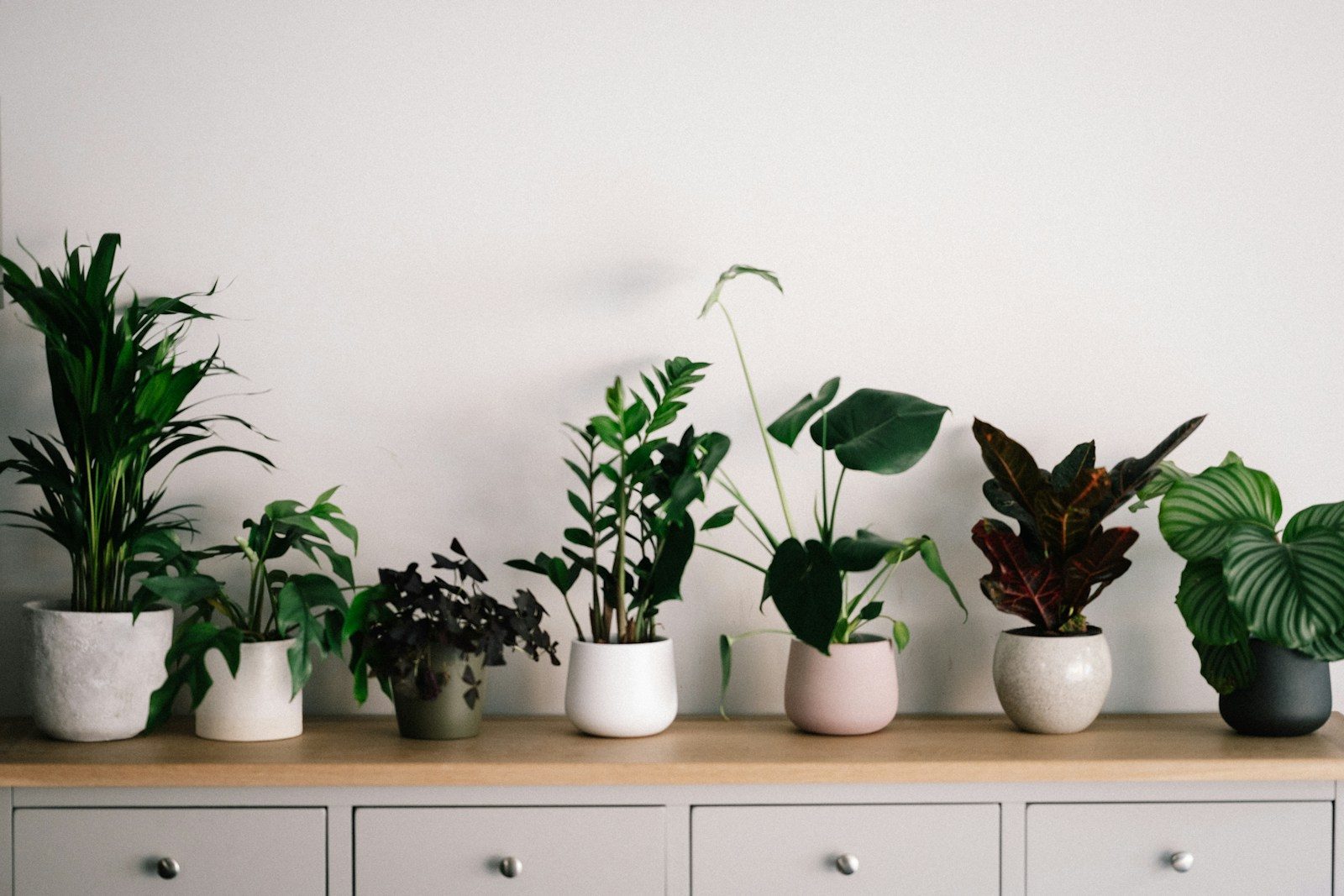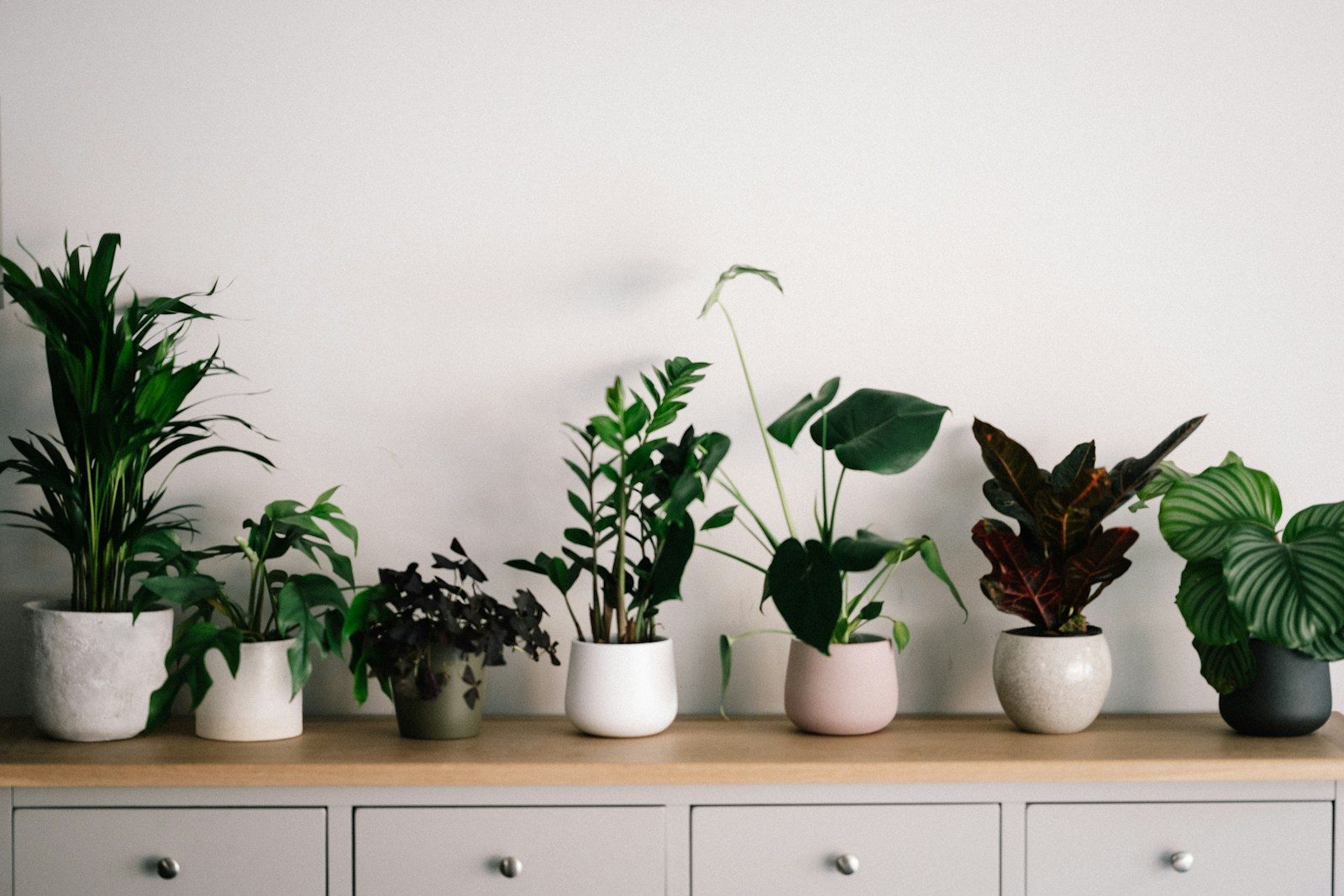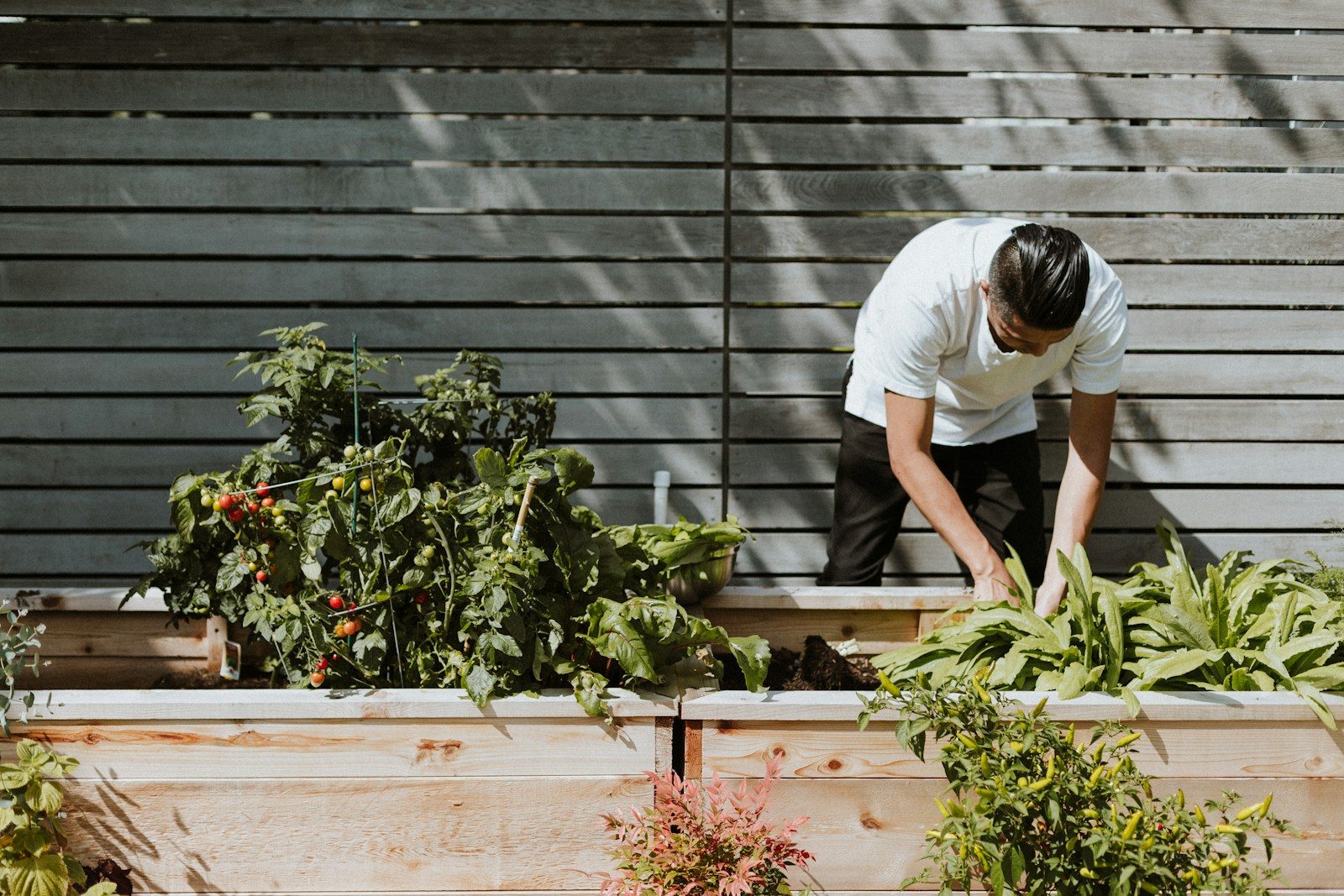
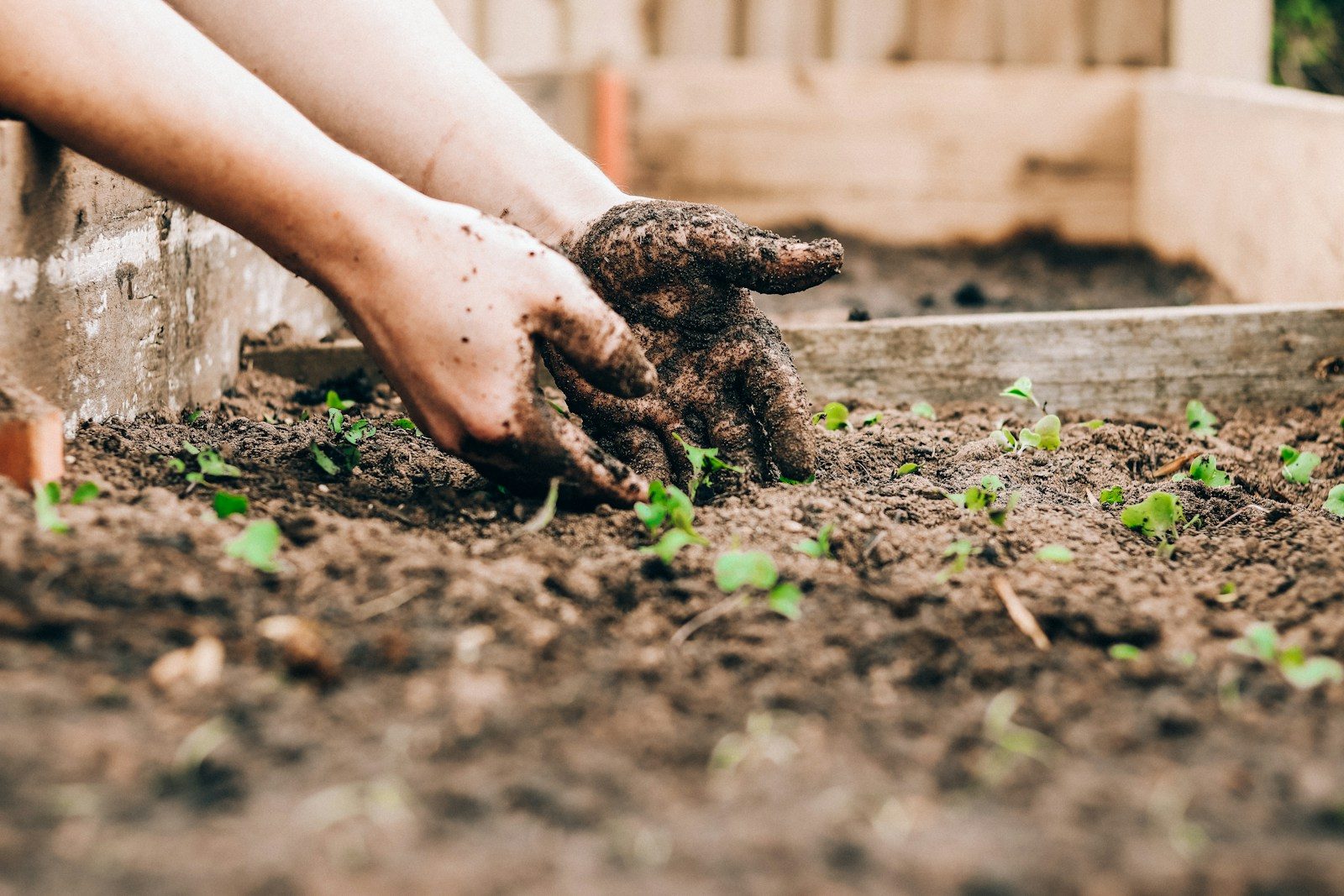
Growing your own food isn’t just for people with big backyards anymore. These days a lot of beginners start with a few pots on a balcony a sunny window or a small terrace. More people are getting into container gardening herbs and compact vegetable gardens because they fit easily into modern homes and busy schedules.
The best thing about edible gardening is that it gives you something useful in return. Instead of buying herbs and vegetables every week you can simply step outside and pick what you need. It also helps you understand where food comes from and makes everyday meals feel a little more rewarding.
If you’re new to gardening don’t try to grow everything at once. Start with a few easy plants learn the basics and enjoy the process. Small wins build confidence and before long you’ll have a productive little garden of your own.
Why Edible Gardening Is Becoming So Popular
A lot of people start gardening because they want fresh food save a little money or simply spend more time outdoors. Edible gardening is especially appealing because you get something useful at the end of it.
The Joy of Growing Your Own Food
Recent trends highlighted by Gardeners’ World and The Royal Horticultural Society (RHS) show growing interest in compact food gardens herbs and container-friendly vegetables.
Many beginners choose plants they already use in cooking because the reward feels immediate. A few basil leaves for pasta or fresh mint for tea can make all the effort feel worthwhile.
Small Effort Big Results
One reason edible gardening is so beginner friendly is that you can see progress quickly.
For example:
- A basil plant can keep producing leaves for months
- Lettuce can be harvested again and again
- Mint often grows faster than expected
- Microgreens can be ready in just a couple of weeks
That quick success keeps people motivated and excited to keep growing more.
Choosing the Right Space for Your Garden
One of the biggest myths about gardening is that you need a lot of space. In reality many edible plants do surprisingly well in small areas.
Pay Attention to Sunlight First
Before buying seeds or pots take a few days to watch how much sunlight your space gets.
Most vegetables and herbs grow best with at least six hours of direct sunlight each day.
Good spots include:
- Balconies
- Terraces
- Rooftops
- Sunny windows
- Vertical planters
The more sunlight you have the more options you’ll be able to grow.
Match Plants to Your Space
Different plants work better in different locations.
A sunny balcony is perfect for tomatoes chillies basil and mint. A bright windowsill can support herbs like rosemary basil and parsley.
Starting with three or four containers is often enough. It’s easier to learn from a small garden than to manage a large one right away.
Basil: The Perfect Beginner Herb
If there’s one edible plant that’s almost guaranteed to boost a beginner’s confidence it’s basil.
Why Basil Is So Easy
Basil grows quickly smells amazing and works well in containers.
All it really needs is:
- Plenty of sunlight
- Regular watering
- Good quality potting mix
Because it grows fast you won’t have to wait long before seeing results.
How to Get More Leaves
The secret is to pinch off the growing tips instead of picking random leaves.
This encourages the plant to become fuller and produce even more growth.
A basil plant kept near the kitchen can provide fresh leaves for:
- Pasta dishes
- Salads
- Soups
- Sandwiches
- Homemade sauces
If flowers start forming simply remove them so the plant continues focusing on leaf production.
Mint: The Easy Plant That Almost Grows Itself
Mint is one of the easiest edible plants you can grow.
A Very Forgiving Plant
Miss a watering once in a while and mint usually bounces back without much trouble.
That’s one reason beginners love it.
Mint grows well:
- Indoors
- Outdoors
- In containers
- On balconies
Keep It in Its Own Pot
The only real challenge with mint is controlling it.
Its roots spread quickly so it’s best grown in a separate container.
Fresh mint is useful for:
- Tea
- Chutneys
- Sauces
- Fruit salads
- Flavored water
Because it grows so fast you’ll almost always have fresh leaves available.
Lettuce and Leafy Greens for Fast Harvests
If you’re looking for quick results leafy greens are hard to beat.
Great for Beginners
Lettuce spinach arugula and other greens grow fast and don’t need much space.
They also do very well in containers which makes them ideal for small homes and apartments.
Harvest Again and Again
A simple trick is to harvest only the outer leaves.
The center keeps growing which means you’ll get multiple harvests from the same plant.
Benefits include:
- Continuous supply of greens
- Less replanting
- Better use of small spaces
- Faster results
Even a few containers can provide enough greens for several fresh salads every week.
Cherry Tomatoes: Small Plants With Big Rewards
Tomatoes are one of the most popular edible plants in the world and cherry tomatoes are usually the easiest place to start.
Why Beginners Love Them
Cherry tomatoes tend to be easier than larger varieties.
They:
- Produce lots of fruit
- Grow well in containers
- Keep producing for months
- Fit nicely on balconies and patios
Simple Care Tips
To keep them healthy:
- Give them six to eight hours of sunlight
- Water deeply
- Use compost or balanced fertilizer
- Support stems with stakes or cages
Watching flowers turn into clusters of bright red tomatoes is one of the most satisfying parts of home gardening.
Green Chillies and Peppers for Everyday Use
If you cook regularly chillies and peppers are a smart choice.
Easy and Productive
These plants love warm sunny conditions and can keep producing for months once established.
Compact varieties are especially useful for small spaces.
Harvest Whenever You Need
You can pick green chillies early or leave peppers longer to develop more color and flavor.
Benefits include:
- Frequent harvests
- Attractive appearance
- Easy container growing
- Useful everyday ingredients
They add both beauty and practicality to an edible garden.
Microgreens: The Fastest Food You Can Grow
Not everyone wants to wait months for vegetables. That’s where microgreens shine.
What Are Microgreens?
Microgreens are young vegetable seedlings harvested very early.
Many are ready within one to three weeks which makes them one of the fastest crops you can grow.
Popular options include:
- Radish
- Broccoli
- Mustard
- Sunflower
- Pea shoots
Perfect for Learning
Microgreens are grown in shallow trays and require very little space.
Because they grow so quickly mistakes are easy to fix. If one batch doesn’t go well you can start another right away.
They’re great in:
- Salads
- Sandwiches
- Wraps
- Smoothie bowls
For beginners they offer one of the fastest paths to success.
Growing Food in Containers
Container gardening has made growing food possible for almost everyone.
Why Containers Are So Popular
You don’t need a yard to grow fresh food.
Containers work well on:
- Balconies
- Patios
- Rooftops
- Sunny indoor corners
They are affordable easy to manage and ideal for beginners.
Choosing the Right Pots
Good containers should have:
- Drainage holes
- Enough depth
- Quality potting mix
- Space for roots to grow
Larger pots usually hold moisture better and require less frequent watering.
A simple mix of herbs lettuce tomatoes and peppers can provide a surprising amount of fresh food from a very small area.
Watering Sunlight and Soil Made Simple
Most gardening problems come down to a few basic things.
Focus on the Essentials
Plants need:
- Sunlight
- Water
- Nutrients
- Healthy soil
Too much water can be just as harmful as too little.
Easy Rules to Follow
For beginners these simple habits work well:
- Check soil before watering
- Water deeply instead of a little every day
- Use quality potting mix
- Add compost whenever possible
- Place sun-loving plants in bright areas
Keeping things simple usually leads to better results.
Common Beginner Mistakes to Avoid
Every gardener makes mistakes especially in the beginning.
Common Problems
New gardeners often:
- Grow too many plants at once
- Overwater
- Ignore sunlight needs
- Use poor soil
- Expect perfect results immediately
The good news is that these mistakes are normal.
Learn One Step at a Time
Start with easy plants like basil mint lettuce and tomatoes.
Pay attention to how they respond to weather watering and sunlight.
A few successful plants will teach you more than trying to manage twenty different crops at once.
Building an Edible Garden That Lasts
The best edible gardens improve over time.
Think Long Term
A productive garden isn’t just about one harvest. It’s about creating a system that keeps working season after season.
Helpful additions include:
- Compost
- Pollinator-friendly flowers
- Seasonal crop rotation
- Rainwater collection where practical
- Plant varieties suited to your local climate
Grow Gradually
Many gardeners today are combining edible plants with decorative plants creating beautiful spaces that are both useful and attractive.
Start small and keep building. Each season teaches something new and helps you make better choices next time.
Conclusion
Edible gardening doesn’t require expert skills expensive tools or a large backyard. Some of the easiest plants to grow are also the most useful including basil mint lettuce cherry tomatoes peppers and microgreens.
The people who succeed most often are the ones who keep things simple. Start with a few plants you enjoy eating give them good sunlight healthy soil and regular care then learn as you go.
Every productive garden starts the same way with one container one plant and the decision to begin.