Indoor plants are one of the easiest ways to make a home feel warmer and more inviting. They do much more than fill an empty corner. Plants add color texture and softness while bringing a little bit of nature indoors. That’s one reason plant-filled interiors continue to be popular. Styles inspired by nature including biophilic design have become a favorite among homeowners and designers because they help create spaces that feel calm comfortable and connected to the outdoors.
The tricky part usually isn’t buying plants. Most people can find plenty of beautiful options. The challenge is knowing how to arrange and style them so they actually improve the room. Without a plan plants can end up looking random instead of intentional.
Whether you have one favorite houseplant or a growing collection this guide will help you style them in a way that feels natural balanced and easy to maintain.
Build a Strong Plant Styling Foundation

A great plant display starts before you even bring a plant into the room. Many people focus on finding attractive plants but forget to think about how those plants fit into the overall design.
Start with the Room’s Purpose
Every room serves a different purpose and your plant choices should support that.
A living room can usually handle larger statement plants while a bedroom often feels better with simpler greenery that creates a calm atmosphere. Home offices tend to work best with smaller plants that add life without becoming distracting.
Before buying plants take a look at:
- Available natural light
- Empty floor space
- Existing furniture colors
- Traffic flow through the room
- Ceiling height
These details will help you choose plants that actually work in the space.
Think Like an Interior Designer
Designers often use plants the same way they use artwork or furniture. A tall plant can balance a large sofa while a group of smaller plants can soften hard lines and make a room feel more connected.
Create Visual Balance
Instead of placing plants evenly throughout the room try creating one or two focal points. A large plant beside a reading chair usually creates more impact than several small plants scattered around the room.
Current styling trends highlighted by Architectural Digest and House Beautiful also lean toward natural shapes layered greenery and varied leaf textures rather than perfectly matched arrangements.
When you start with a clear plan every plant feels like it belongs there.
Choose the Right Plants for Each Room

Good styling starts with choosing plants that fit both the room and the conditions inside it.
Match Plants to Natural Light
Light is the most important thing to consider. Rooms with plenty of sunlight can support larger plants with dramatic foliage while darker spaces need varieties that can tolerate lower light.
Popular low-light choices include:
- Snake Plant
- ZZ Plant
- Pothos
- Chinese Evergreen
- Peace Lily
These plants stay attractive even when sunlight is limited making them perfect for apartments and shaded rooms.
Let Function Guide Selection
Different spaces often suit different plants.
A few easy examples include:
- Bedroom: Peace Lily or Snake Plant
- Bathroom: Ferns and Spider Plants
- Home Office: Jade Plant or ZZ Plant
- Living Room: Monstera or Areca Palm
Focus on Leaf Shape
Leaf shape can completely change the look of a room. Large tropical leaves create a bold modern feel while softer foliage creates a relaxed atmosphere.
Mixing upright plants with trailing varieties helps keep displays interesting and prevents everything from looking the same.
Rather than choosing plants simply because they’re popular choose plants that fit the mood and purpose of the room.
Create Statement Corners with Large Plants

Most homes have empty corners that don’t really add anything to the design. Large indoor plants are one of the easiest ways to bring those spaces to life.
Turn Dead Space into a Feature
A tall plant instantly draws attention upward and gives a room more presence. It also softens the hard lines created by walls and furniture.
Popular statement plants include:
- Areca Palm
- Rubber Plant
- Fiddle Leaf Fig
- Monstera Deliciosa
- Bird of Paradise
These plants fill vertical space beautifully without requiring additional furniture.
Use Height Strategically
Tall plants often look best when paired with another large item such as a sofa bookshelf or reading chair. This creates balance and helps the room feel complete.
Avoid placing oversized plants where they block walkways or make movement difficult.
Add Supporting Elements
A statement plant feels even stronger when paired with a few complementary pieces such as:
- A woven basket planter
- A floor lamp
- A small side table
- A textured rug
Together these elements create a styled corner rather than a single plant sitting by itself.
One large plant can often make a bigger impact than several smaller plants spread around the room.
Use Plant Layers for Depth and Balance

One reason professionally designed homes feel more interesting is because they use layers. Plant styling works exactly the same way.
Mix Heights for Better Composition
If every plant is the same height the arrangement can feel flat.
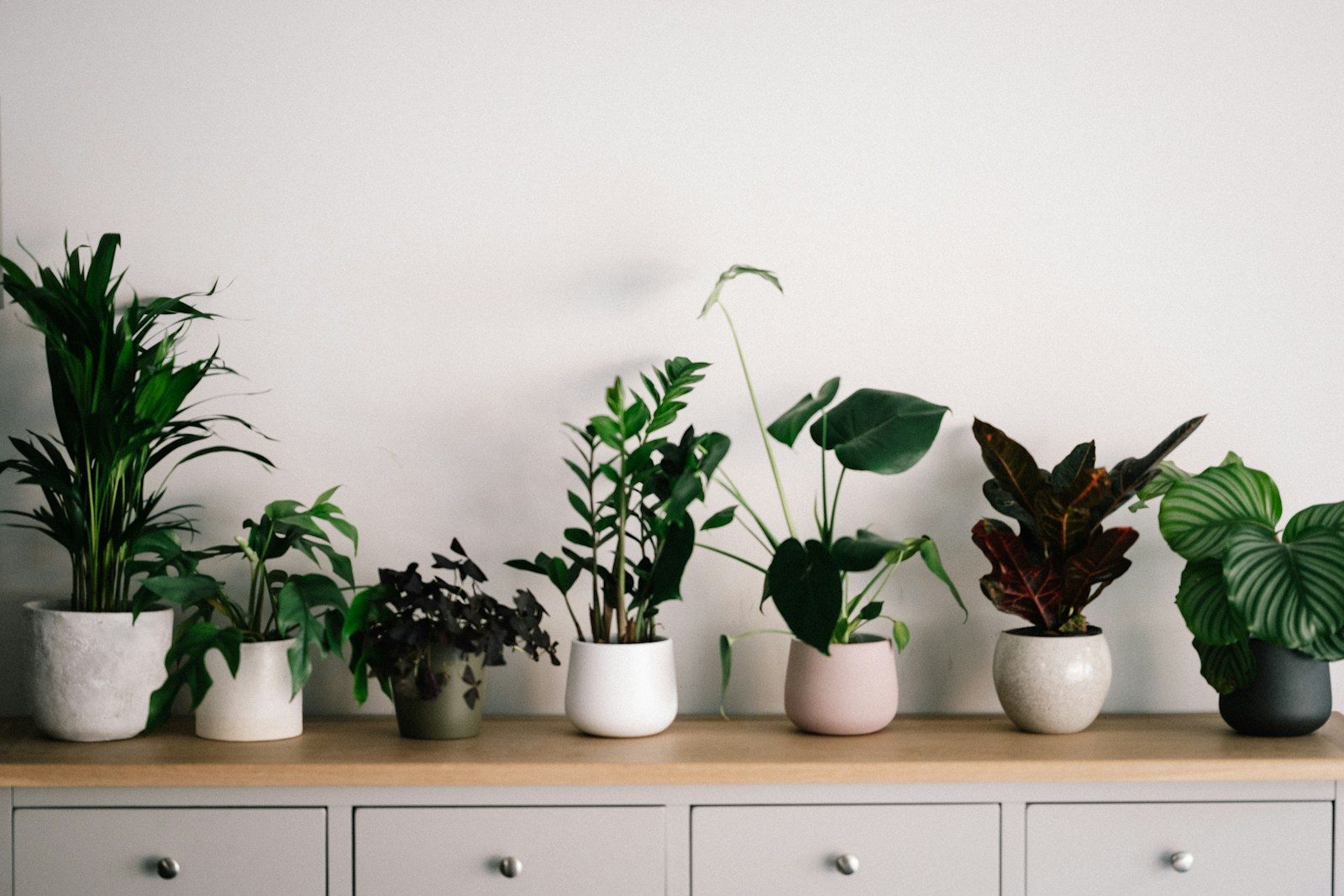
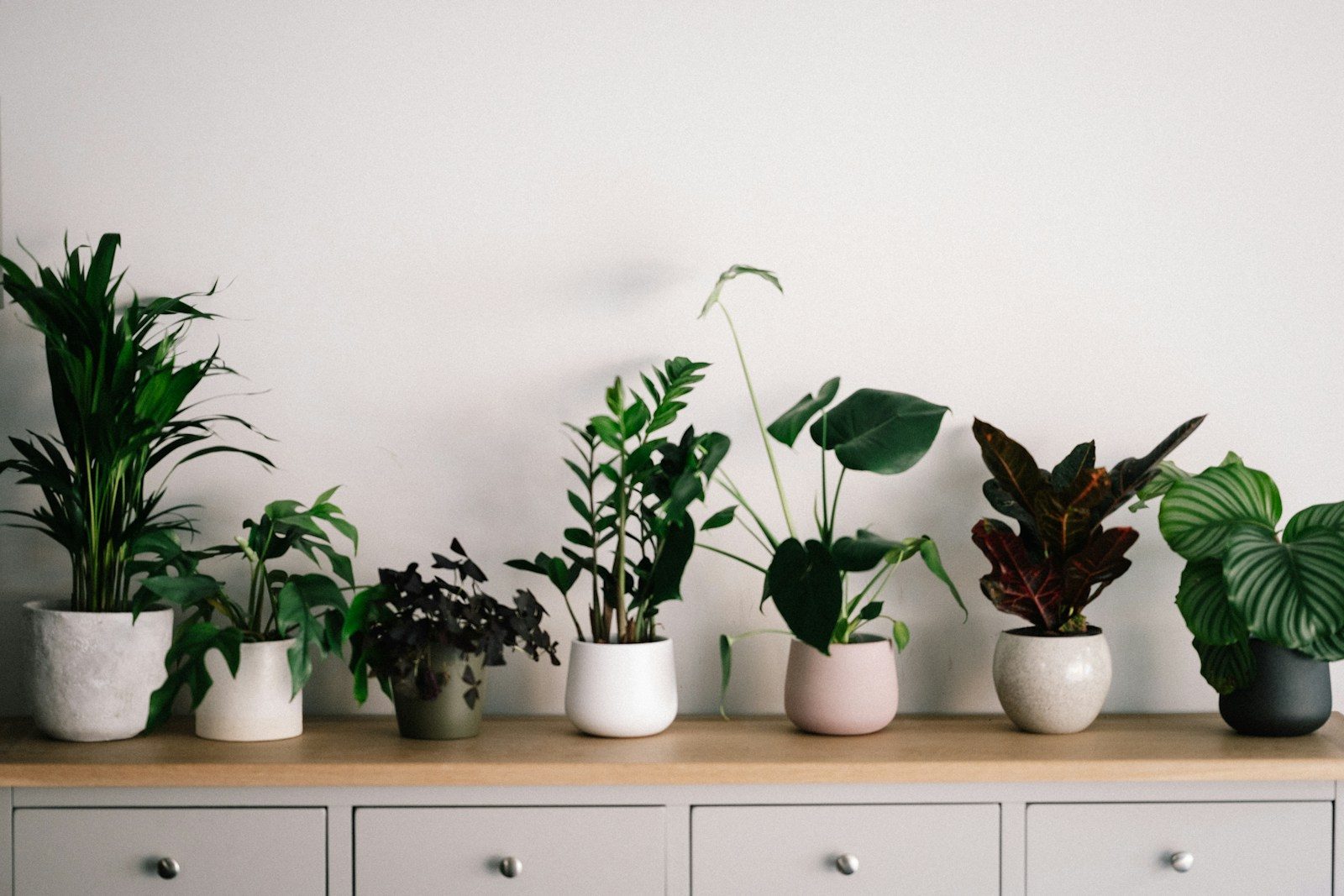
A simple layered setup might include:
- One floor plant
- Two medium-height plants on stands
- Small plants on shelves or tables
This naturally moves the eye around the room and creates depth.
Combine Different Textures
Texture helps create contrast. Large glossy leaves often look beautiful beside softer and more delicate foliage.
Popular combinations include:
- Monstera with Ferns
- Snake Plant with Pothos
- Rubber Plant with Ivy
Follow the Rule of Three
Many designers prefer grouping plants in odd numbers because the result feels more natural.
Three plants with different heights often create a stronger visual effect than two matching plants.
The goal is to create variety without making the display feel busy.
Style Shelves Tables and Small Surfaces

Small surfaces provide plenty of opportunities to add greenery without taking up valuable floor space.
Create Balanced Shelf Displays
Plants usually look best when mixed with other decorative items rather than filling an entire shelf by themselves.
Try combining:
- Books
- Candles
- Ceramic objects
- Framed photos
- Small plants
This creates balance and keeps displays from looking overcrowded.
Use Plants as Functional Decor
A small plant can make a workspace feel more welcoming while a simple centerpiece can add life to a dining table.
Good options include:
- Succulents
- Jade Plants
- Pothos
- Mini Snake Plants
Leave Empty Space
One of the most common mistakes is filling every available spot.
Giving plants and decorative items some breathing room usually creates a cleaner and more sophisticated look.
Transform Walls with Vertical Greenery

Wall space is often overlooked but it can become one of the most impressive features in a room.
Make Blank Walls More Interesting
Floating shelves wall planters and vertical plant systems can completely transform an empty wall.
They work especially well in:
- Apartments
- Small living rooms
- Home offices
- Entryways
Choose Suitable Plants
Not every plant works well on a wall. Lightweight trailing varieties are usually the best choice.
Good options include:
- Pothos
- Philodendron
- String of Pearls
- English Ivy
Create Visual Flow
Arrange plants so the eye naturally moves across the display. Trailing vines can soften hard edges and connect different areas of the wall.
Vertical greenery adds life while preserving valuable floor space.
Elevate Spaces with Hanging Plants

Hanging plants bring movement and dimension that floor plants simply can’t provide.
Add Depth to Small Rooms
When plants only sit on the floor a room can feel visually heavy. Hanging greenery spreads attention throughout the space and creates better balance.
Popular hanging plants include:
- Pothos
- Spider Plant
- Boston Fern
- String of Hearts
Use Hanging Plants Near Windows
Windows often provide the perfect light while allowing trailing vines to frame the view naturally.
Avoid Overcrowding the Ceiling
One or two hanging plants often look much better than filling every corner above your head.
Simple holders and clean designs usually create the most timeless look.
Match Planters with Your Interior Style

Plants get most of the attention but the containers matter just as much.
Treat Pots as Decor
Planters should work with the style of your room.
Popular choices include:
- Terracotta for rustic spaces
- Ceramic for modern homes
- Concrete for industrial interiors
- Wood for natural looks
- Metal for contemporary spaces
Maintain Consistency
Your planters don’t need to match exactly but using similar colors or materials helps create a more connected look throughout the home.
Experiment with Stands and Pedestals
Plant stands add height variation and help create more interesting arrangements.
Many modern interiors pair simple pots with clean understated stands that let the plants remain the focus.
Use Plants to Improve Light and Space Perception

Plants can influence how a room feels in ways that go beyond decoration.
Frame Natural Light
Positioning plants near windows highlights natural sunlight and helps create a brighter atmosphere.
Large leafy plants can:
- Filter harsh sunlight
- Add softness
- Create natural framing
Guide the Eye Through a Room
Tall plants draw attention upward while trailing plants encourage the eye to move across the space.
Use Mirrors with Plants
A mirror behind greenery reflects both light and foliage making the room feel brighter and larger.
This simple trick works especially well in smaller apartments.
Create Calm Minimalist Plant Displays

You don’t need dozens of plants to create a beautiful interior.
Choose Fewer Better Plants
Instead of filling every corner focus on a few plants with strong visual impact.
Good minimalist choices include:
- Monstera
- Money Tree
- Bonsai
- Fiddle Leaf Fig
- Snake Plant
Prioritize Empty Space
Minimalist styling depends on giving each plant enough room to stand out.
Avoid overcrowding shelves and surfaces with unnecessary accessories.
Focus on Shape
In minimalist interiors the shape and structure of the plant become part of the design itself.
Sometimes one striking plant is all you need.
Design an Urban Jungle Without Clutter

The urban jungle trend continues to be popular because it makes homes feel warm personal and connected to nature.
Build Gradually
Start small and add plants over time.
Mix:
- Tall plants
- Trailing plants
- Bushy plants
The variety creates a natural layered look.
Create Dedicated Plant Zones
Rather than placing plants everywhere create specific green areas such as:
- A window garden
- A plant shelf
- A reading corner
- A plant wall
Maintain Visual Order
Even lush spaces need structure.
Matching planters repeating colors and balanced spacing help keep everything looking intentional rather than chaotic.
Seasonal Updates That Keep Spaces Fresh

Plant styling doesn’t have to stay exactly the same throughout the year.
Adjust Accessories Not Plants
Instead of constantly replacing plants refresh the surrounding decor with:
- New planters
- Different baskets
- Decorative stones
- Natural textiles
- Seasonal flowers
Rotate Plant Locations
Moving a few plants into different rooms can completely change the feel of a space without spending any money.
Follow Nature-Inspired Trends
Natural materials organic shapes and greenery continue to be popular in modern interiors making them a safe choice for long-term styling.
Common Indoor Plant Styling Mistakes to Avoid

Even beautiful plants can look out of place if they’re styled poorly.
Avoid Random Placement
Plants should work together as part of the room instead of feeling like separate objects placed wherever there was space.
Think about:
- Balance
- Flow
- Visual hierarchy
- Room function
Do Not Ignore Plant Needs
A struggling plant quickly loses its appeal no matter how attractive the pot is.
Always make plant health the priority.
Watch for These Common Errors
Avoid:
- Using identical plant sizes everywhere
- Overcrowding shelves
- Blocking walkways
- Choosing clashing planters
- Ignoring scale in smaller rooms
Simple thoughtful styling almost always works better than complicated decorating tricks.
Conclusion

Indoor plant styling isn’t about owning the biggest collection or following every trend. It’s about using greenery in a way that improves the comfort beauty and function of your home.
Start by understanding your space and choosing plants that fit naturally into it. Create focal points mix heights experiment with vertical displays and give every plant enough room to stand out.
When styled thoughtfully indoor plants do much more than decorate a room. They make a home feel calmer warmer and more connected to nature every single day.