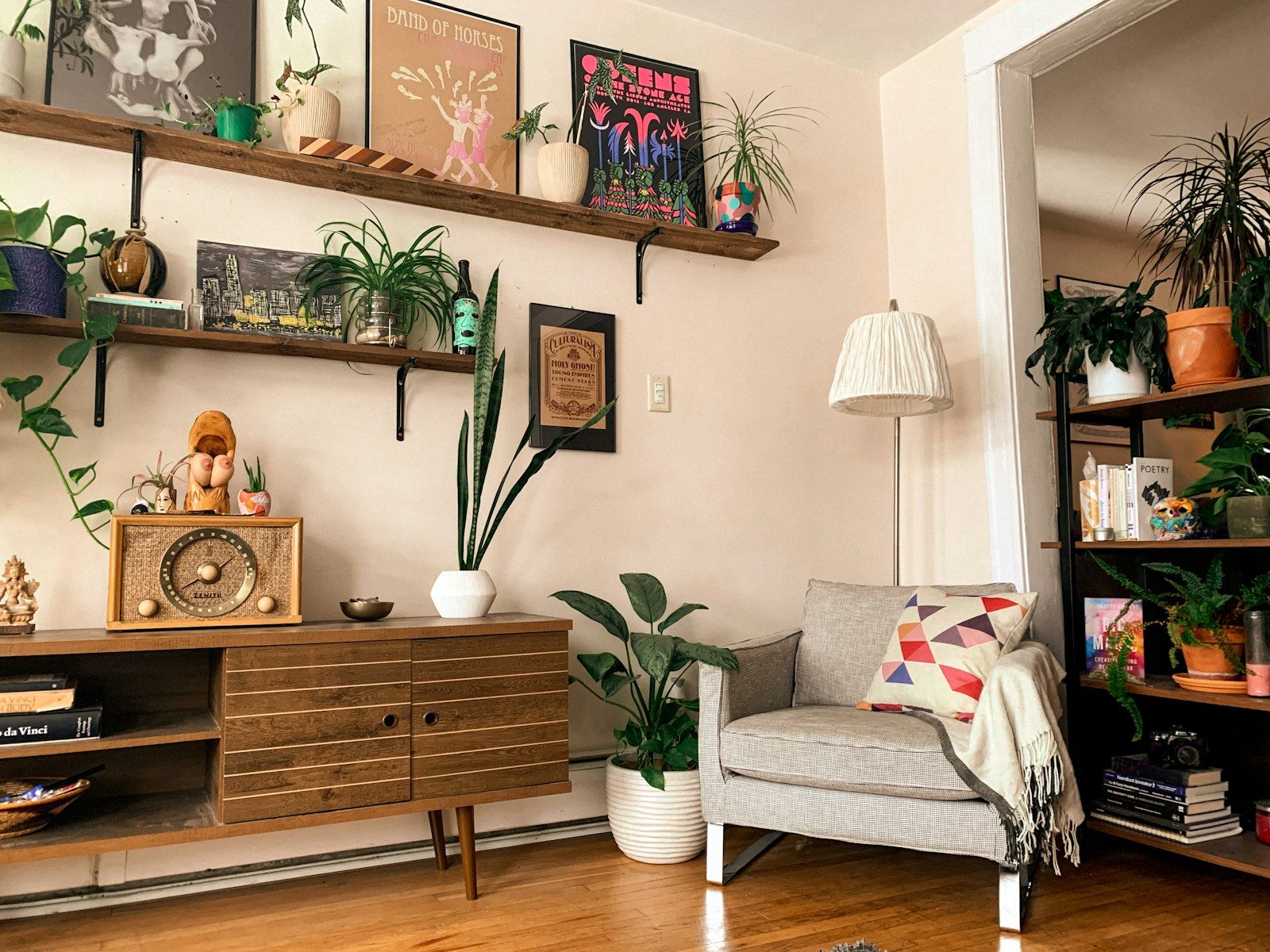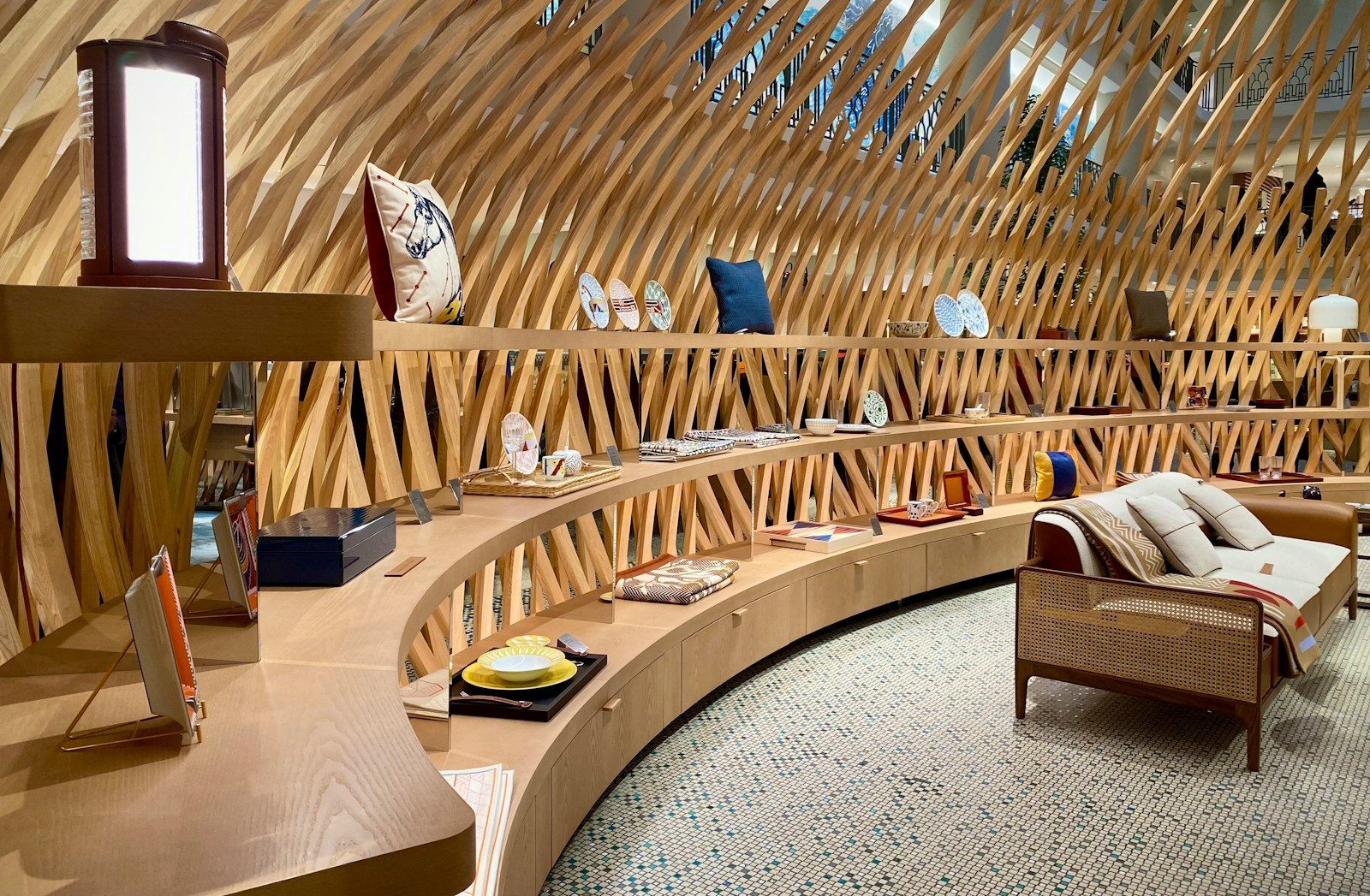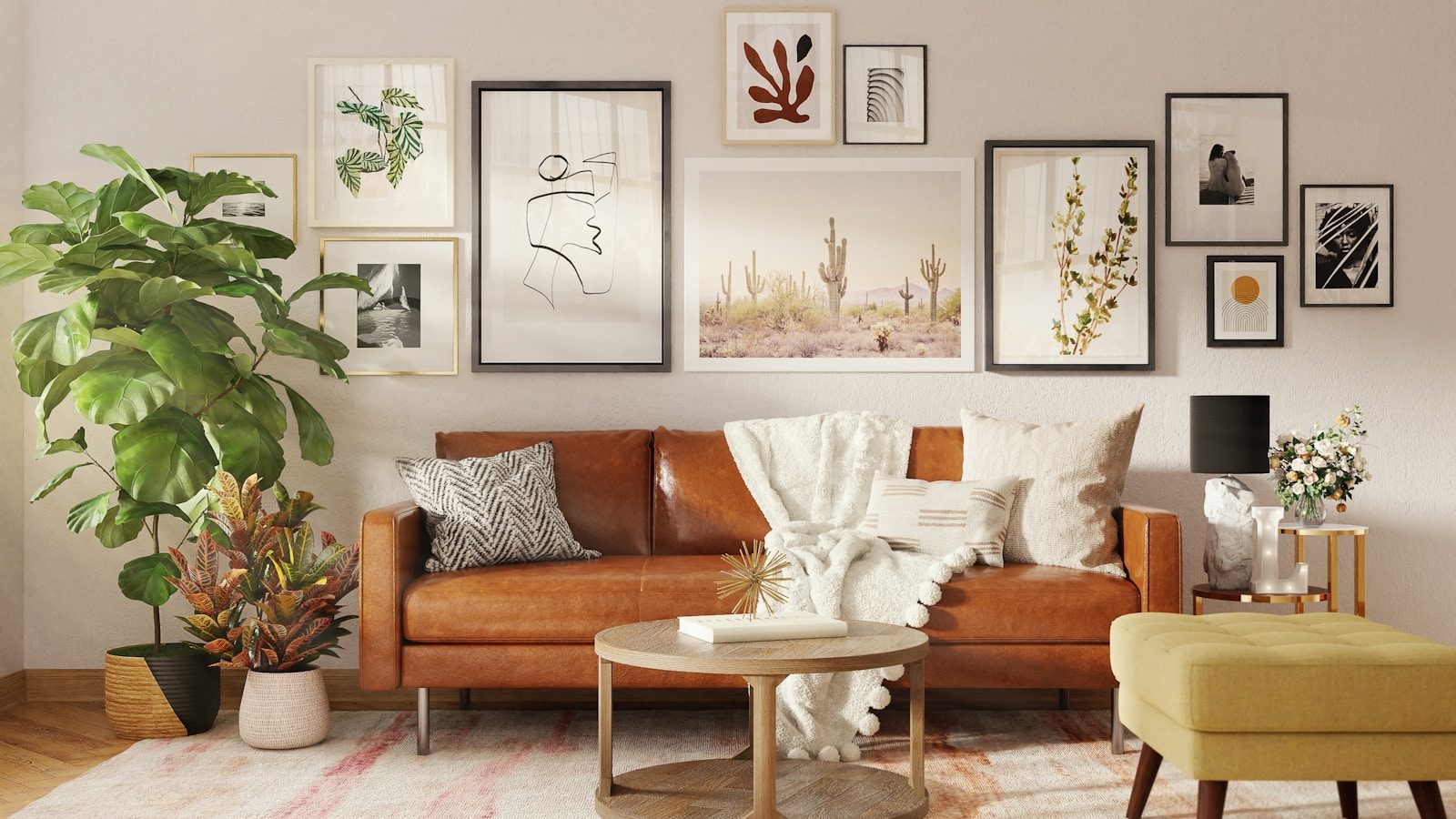
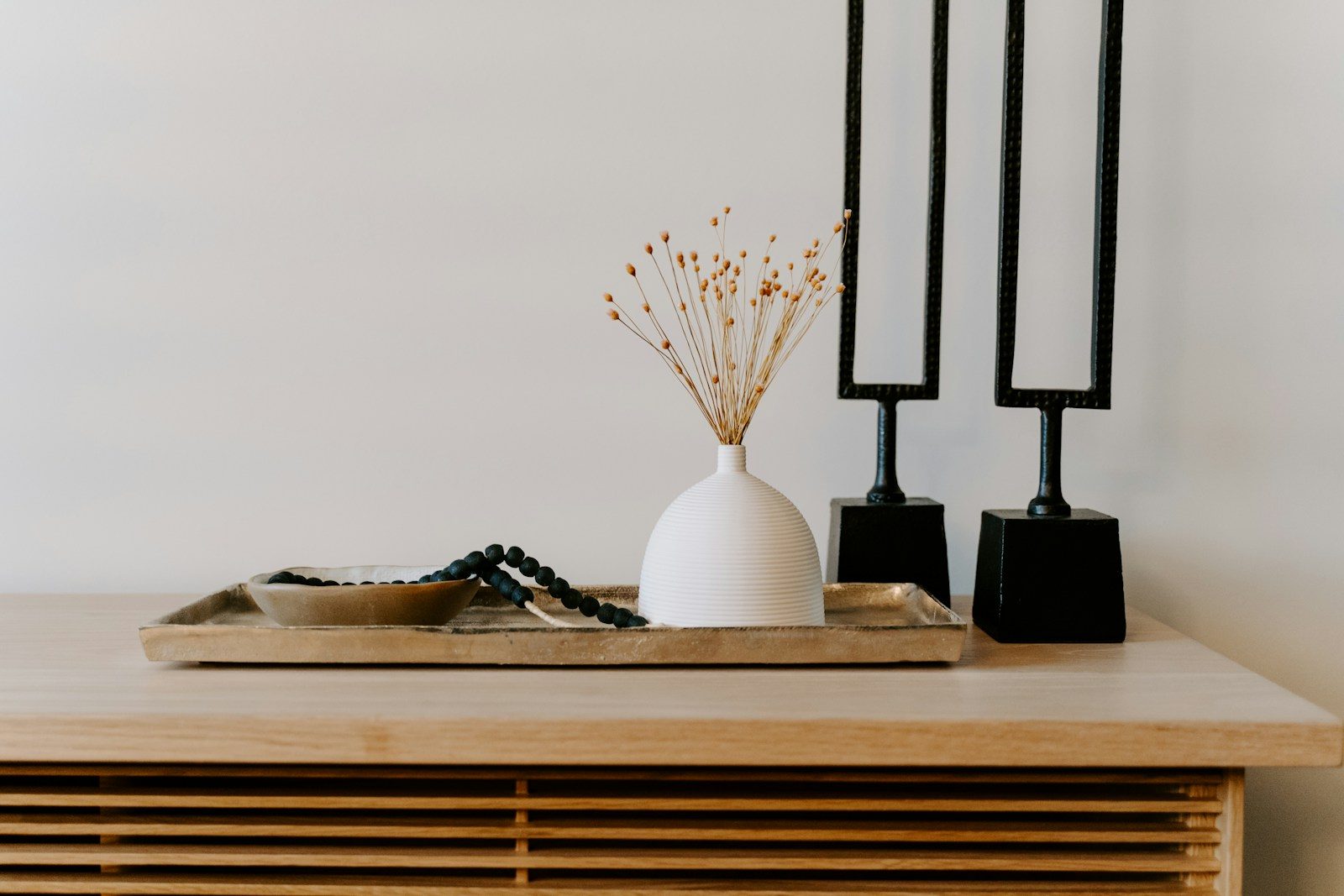
Small homes don’t have to feel cramped cold or boring anymore. In 2026 warm minimalism has become one of the biggest interior design trends because it brings together comfort and simplicity in a way that feels easy to live with. Instead of plain white rooms and sharp edges people are choosing soft textures earthy colors curved furniture layered lighting and layouts that feel practical yet peaceful. Designers are also stepping away from the old idea of minimalism that felt too perfect and lifeless. Now the focus is on homes that feel welcoming personal and actually lived in.
One of the best things about warm minimalism is how well it works in smaller spaces. A thoughtfully designed small room can often feel more luxurious than a large room filled with unnecessary stuff. It comes down to choosing fewer but better pieces using materials that add warmth and creating a natural flow without trying to fill every empty corner.
This guide shares practical decor ideas that can make a small home feel stylish and inviting without spending a fortune or wasting valuable space. You’ll see how designers in 2026 are using color lighting furniture textures storage and layout choices to create homes that look beautiful while still working for everyday life.
Soft Earthy Colors Create Quiet Luxury
Everything starts with color. In 2026 cold grey walls are slowly disappearing and warmer natural shades are taking their place. Colors like mushroom sand oat warm white clay soft brown muted olive and creamy beige help a small home feel calm comfortable and more expensive than it really is.
Why Warm Tones Work Better in Small Spaces
Small rooms can feel closed in when they’re painted with harsh colors or strong contrasts. Warm neutral shades soften the look of a room and reflect light in a gentler way which makes the space feel more comfortable. Many designers now prefer layered neutrals instead of a single flat color because the extra depth gives a room more character and interest.
A studio apartment with soft beige walls linen curtains walnut wood details and warm lighting feels far more inviting than a plain white room lit with bright LED bulbs.
Easy Color Pairings That Look Premium
Try combinations such as:
- Warm white with oak wood
- Sand beige with olive green
- Clay tones with cream fabrics
- Taupe with matte black accents
Painting the ceiling the same color as the walls is another popular trick. It creates a cozy cocoon-like feel and removes visual breaks making smaller rooms appear taller and more open.
The aim isn’t to make the room colorful. It’s about creating softness and balance so the whole space feels connected and easy on the eyes.
Curved Furniture Makes Rooms Feel Softer
Furniture with sharp edges and boxy shapes can make a small room feel crowded. That’s one reason curved furniture has become such a popular trend in 2026. Rounded shapes help the eye move smoothly through a space and instantly make a room feel more relaxed and welcoming.
Choose Shape Before Size
A lot of people assume small homes need tiny furniture but shape often matters more than size. A curved sofa with slim legs can feel lighter than a smaller loveseat with bulky square arms. Round coffee tables also help because they make it easier to move around without awkward corners getting in the way.
Designers often use:
- Oval dining tables
- Rounded mirrors
- Arched shelving
- Soft-edge consoles
- Curved accent chairs
These shapes make compact rooms feel calmer and less crowded.
One Sculptural Piece Changes the Entire Room
Luxury spaces rarely feel expensive because they’re packed with things. They feel special because every piece has been chosen with purpose. Instead of filling a room with lots of decor choose one standout piece that naturally draws attention.
For example a curved boucle chair next to a floor lamp can instantly create a cozy reading corner that feels professionally designed. Even a rounded ceramic vase or a circular mirror can make a room feel softer and more inviting.
Homes linked to celebrities like Kylie Jenner and Ananya Panday show how curved shapes can add warmth without creating clutter.
The result is a room that feels thoughtfully put together rather than overcrowded.
Lighting Matters More Than Expensive Furniture
A lot of small homes feel dull because of poor lighting not because the furniture isn’t expensive enough. Warm minimalism relies heavily on layered lighting to create comfort depth and atmosphere. In 2026 designers are moving away from relying on a single bright ceiling light and instead spreading softer light throughout the room.
Layer Light Instead of Flooding the Room
A luxurious feeling often comes from contrast. Using different light sources around the room creates depth and makes the space feel more welcoming.
Try using:
- Floor lamps beside seating areas
- Wall sconces near the bed
- Table lamps on shelves
- Warm LED strips under cabinets
- Pendant lights above dining spaces
This layered approach creates gentle shadows and warmth that can make even a simple room feel more refined.
Warm white bulbs around 2700K are usually the best choice for cozy minimalist interiors.
Natural Light Should Stay the Hero
Heavy dark curtains can make a small home feel even smaller. Swapping them for linen or sheer fabrics lets natural light move freely through the room. Many designers now focus on light-first planning because natural light instantly makes a space feel bigger and brighter.
Mirrors can help too. A large mirror placed opposite a window spreads light around the room without adding any clutter.
One simple trick is placing a tall mirror behind a dining bench in a compact apartment. It helps the room feel brighter and creates the illusion of extra space.
Lighting can completely change how a room feels often faster than any furniture upgrade. Even a budget-friendly home can feel polished when the lighting has been planned well.
Texture Gives Minimal Homes Personality
Minimal spaces can sometimes feel flat or unfinished. Warm minimalism fixes that by adding texture instead of extra decor. Texture brings depth and character while still keeping the room calm and uncluttered.
Focus on Natural Materials
In 2026 homeowners are leaning toward materials that feel warm natural and pleasant to touch.
Popular choices include:
- Linen curtains
- Cotton throws
- Oak and walnut wood
- Limewash walls
- Jute rugs
- Stone surfaces
- Matte ceramics
These materials age beautifully and help a home feel grounded and comfortable.
A small living room filled with layered textures often feels far more luxurious than a room packed with shiny decorative pieces.
Mix Smooth and Rough Finishes
The most beautiful interiors usually combine different textures rather than repeating the same one everywhere.
For example:
- Pair a smooth stone table with woven chairs
- Combine matte walls with soft boucle fabric
- Use brushed metal alongside warm wood
This contrast adds richness without making the space feel busy.
Textured walls are also making a comeback. Limewash paint and plaster finishes create subtle movement that changes throughout the day as natural light shifts around the room.
Even the smallest details matter. A handmade ceramic bowl or a textured cushion can make a shelf feel intentional rather than random.
A room should feel warm and inviting not cold and untouchable.
Hidden Storage Keeps Small Homes Elegant
Nothing makes a beautiful small home feel messy faster than visible clutter. Warm minimalism relies on smart storage because clean surfaces allow materials textures and furniture to stand out. In 2026 designers are focusing on storage solutions that blend naturally into the room instead of drawing attention to themselves.
Furniture Should Work Harder
In a compact home every piece of furniture should do more than one job. The best small-space furniture combines practicality with good design.
Examples include:
- Storage ottomans
- Beds with hidden drawers
- Dining benches with lift-up seating
- Floating consoles
- Coffee tables with built-in compartments
Good storage cuts down visual clutter and helps a room feel calmer.
Built-Ins Create a Tailored Look
Custom built-ins often make a home look more expensive because everything feels intentional and made for the space. Even simple wall-mounted shelves painted the same color as the wall can create a clean seamless look.
Many designers now create full storage walls that combine bookshelves workspaces hidden cabinets and TV units into one streamlined design.
For renters modular systems from IKEA are a popular option because they make the most of vertical space without requiring permanent changes.
Open shelving works best when it’s kept simple. Display a few meaningful pieces instead of filling every shelf. Empty space is just as important as the objects you choose to show.
The cleaner a room looks the more luxurious it tends to feel.
Warm Wood Finishes Add Instant Richness
Wood has always been a big part of warm minimalist design because it brings natural warmth into a space without making it feel busy. In 2026 deeper wood tones are making a strong comeback after years of lighter Scandinavian-inspired finishes.
Darker Woods Feel More Sophisticated
Walnut smoked oak and medium brown wood finishes are showing up everywhere from luxury apartments to boutique hotels and modern homes. These richer tones add contrast while still keeping a room warm and inviting.
Use wood in simple thoughtful ways such as:
- Floating shelves
- Dining tables
- Bed frames
- Ribbed panels
- Sideboards
Sometimes one beautiful wood piece is all you need to ground the entire room.
Balance Wood With Light Fabrics
Too much dark wood can make a small space feel heavier than it needs to. The easiest way to balance it is with lighter fabrics warm wall colors and plenty of natural light.
For example a walnut coffee table paired with a linen sofa and an ivory rug creates warmth without making the room feel dark.
Wood slats and ribbed wall panels are also becoming more common in smaller homes because they add texture and draw the eye upward. That simple detail can make ceilings appear taller and rooms feel more open.
Kitchens benefit from this look too. Warm wood cabinets paired with matte finishes and stone countertops create a space that feels modern yet comfortable.
The secret is knowing when to stop. Warm minimalism isn’t about filling a room with decorative details. It relies on quality materials thoughtful design and simple craftsmanship.
That’s what gives the space its quiet sense of luxury.
Statement Lighting Replaces Excess Decor
A lot of homeowners end up buying too many decorative pieces when what the room really needs is one standout feature. Warm minimalism works best when every item has a purpose. That’s why statement lighting has become one of the easiest ways to make a home feel professionally designed.
Use Lighting as Functional Art
Pendant lights and sculptural lamps are no longer just practical items. They’re becoming focal points in their own right. Something as simple as an oversized paper lantern above a dining table can completely change the feel of a room.
Popular lighting styles in 2026 include:
- Rice paper pendants
- Sculptural sconces
- Ribbed glass lamps
- Matte metal fixtures
- Soft globe lighting
These pieces add shape personality and atmosphere without creating clutter.
Placement Changes Everything
Even the most beautiful light fixture won’t have much impact if it’s placed in the wrong spot. In smaller homes lighting should help define different areas.
Examples include:
- A pendant above the dining table
- A floor lamp beside a reading chair
- Under-cabinet lighting in the kitchen
- Wall sconces beside the bed instead of table lamps
This layered approach helps create structure especially in open-plan spaces.
Many restaurants and boutique hotels use softer lower lighting because it naturally helps people relax. The same idea works at home. Instead of making every corner equally bright allow some areas to feel softer and more intimate.
The result feels cozy elegant and expensive without the need for a major makeover.
Minimal Decor Works Better Than Overstyling
Luxury interiors rarely feel impressive because they have more decor. Usually it’s the opposite. They feel carefully edited. Warm minimalism encourages you to choose pieces with meaning instead of filling every surface with decorations.
Fewer Objects Create More Impact
Rather than styling every shelf and table focus on a handful of pieces that have strong texture shape or character.
Good examples include:
- A large ceramic vase
- A stack of art books
- One framed abstract artwork
- A stone bowl
- A textured candle holder
Keeping similar colors and tones together also helps the room feel more balanced.
Personal Touches Matter More in 2026
Modern minimalism feels warmer today because people are adding pieces that tell a story. Travel souvenirs handmade pottery vintage finds and framed photographs all help create a stronger connection to a space.
A small apartment feels much more luxurious when it reflects the person living there rather than looking like a furniture showroom.
Designers are also encouraging what’s often called collected styling. Instead of decorating everything at once homeowners slowly build a space over time with pieces they genuinely love.
Books help too. Even a small stack on a side table adds texture warmth and personality.
The goal isn’t to create an empty room. It’s to create a room that feels balanced and peaceful.
Mirrors and Reflective Surfaces Expand Space
Some design tricks stick around for a reason and mirrors are one of them. They add depth spread natural light and make compact rooms feel much larger than they are. In 2026 reflective surfaces are returning in a more subtle and refined way.
Oversized Mirrors Feel More Architectural
Small mirrors often look decorative while large mirrors feel like part of the architecture.
Leaning a tall mirror against a wall adds height openness and visual depth.
Best locations include:
- Opposite windows
- Behind dining areas
- Near entryways
- Along narrow hallways
Arched mirrors work especially well in warm minimalist interiors because they soften straight lines and hard edges.
Reflective Materials Should Stay Subtle
Warm minimalism avoids shiny high-gloss finishes. Instead designers are choosing softer reflective materials such as:
- Antique mirrors
- Brushed metals
- Satin glass
- Matte stone with a soft sheen
These surfaces help bounce light around the room without making it feel cold or overly polished.
One practical example is using a mirrored backsplash in a small kitchen. It reflects light beautifully and makes the cooking space feel more open.
Glass tables can also work well because they take up less visual space and help a room feel lighter.
Reflection should quietly support the design rather than become the center of attention.
Small Dining Spaces Can Still Feel Elegant
Dining areas are often one of the biggest challenges in compact homes. Warm minimalism makes them work by focusing on flexibility comfort and smart design choices.
Prioritize Flow Over Formality
A small home doesn’t need a large formal dining setup. It simply needs furniture that fits the space and allows people to move around comfortably.
Good options include:
- Round pedestal tables
- Bench seating
- Extendable tables
- Slim-profile chairs
Round tables are particularly useful because they soften corners and improve movement in tighter spaces.
Create a Dining Moment
Even the smallest dining corner should feel intentional. A simple pendant light above the table a textured table runner and a ceramic centerpiece can instantly make the area feel complete.
These small details give the space its own identity without making it feel crowded.
Many modern apartments now blend kitchens and dining areas together using similar materials finishes and colors. This creates a seamless flow throughout the home.
Wall-mounted shelves and slim storage cabinets can also add function without taking up too much floor space.
If space is very limited a built-in banquette beside a window works beautifully. It provides seating storage and a cozy atmosphere all at once. It’s a layout often seen in boutique cafés because it makes every inch count.
Luxury isn’t always about size. More often it’s about comfort and thoughtful design.
Spa-Inspired Bathrooms Elevate Small Homes
Bathrooms play a bigger role in how luxurious a home feels than many people realize. In 2026 even small bathrooms are being designed with the calm atmosphere of a spa in mind.
Use Fewer Materials More Consistently
Small bathrooms can quickly feel busy when too many finishes compete for attention. That’s why designers often use the same tile or stone across both walls and floors to create a more seamless look.
Popular materials include:
- Microcement
- Terrazzo
- Textured stone
- Finger mosaic tiles
- Warm matte tiles
These materials add personality while still keeping the room calm and cohesive.
Warm Lighting Changes the Mood
Bright white lighting can make a bathroom feel harsh. Softer warm lighting instantly creates a more relaxing atmosphere.
Wall sconces placed beside mirrors also tend to feel more flattering and comfortable than relying only on ceiling lights.
Small details make a difference too:
- Rolled towels in neutral shades
- Wooden trays
- Matte dispensers
- Ribbed glass accessories
A floating vanity is another smart choice because exposing more floor space makes the room appear larger.
Oversized mirrors remain popular because they increase brightness and create the feeling of extra space.
Modern bathroom luxury isn’t about covering everything in gold. It’s about creating a peaceful experience that feels good every day.
Open Layout Styling Makes Homes Feel Bigger
Small homes often feel cramped when furniture blocks movement and interrupts the flow of the space. Warm minimalism pays close attention to layout because the right arrangement can make even an average room feel much larger.
Leave Space Around Furniture
Many people push every piece of furniture against the wall thinking it will create more space. In reality leaving a little breathing room often works better.
For example:
- Leave space around sofas
- Avoid oversized entertainment units
- Keep walkways clear
- Use rugs to define separate zones
Negative space is important because it gives the eye a place to rest.
Visual Consistency Connects Rooms
Using similar materials colors and finishes throughout a home helps everything feel connected.
When every room follows a completely different style the home can feel disjointed. Instead repeat certain elements such as:
- The same curtain fabric
- Similar wood tones
- Matching metal finishes
- A consistent neutral palette
This creates a natural rhythm throughout the space.
Open shelving can also separate areas without blocking light. Studio apartments especially benefit from partial dividers like slatted wood screens or open bookcases.
A good layout should make everyday movement feel effortless. When a home flows naturally it automatically feels more polished and refined.
Conclusion
Warm minimalism in 2026 isn’t about following strict design rules. It’s about creating a home that feels comfortable intentional and easy to live in. Soft colors layered lighting natural textures hidden storage curved furniture and thoughtful styling all work together to create warmth without clutter.
The biggest change in modern interiors is emotional. People no longer want homes that only look good in photographs. They want spaces that help them relax after a long day support their daily routines and still feel beautiful without being overloaded with decoration.
That’s why warm minimalism continues to grow in popularity across apartments studios and compact homes around the world.
The good news is you don’t need a huge renovation budget to achieve this look. Even small updates like warmer lighting smarter storage textured fabrics or a better color palette can completely change the atmosphere of a room.
Luxury today isn’t about having more.
It’s about choosing better.