Living in a small apartment in 2026 doesn’t automatically mean living with clutter anymore. Higher rent prices in cities, more people working from home, and smaller living spaces have changed the way people organize their homes. These days storage is all about being flexible making use of hidden spaces and choosing furniture that can do more than one thing. Most people want their apartment to feel open and comfortable without giving up the things they use every day.
Brands like IKEA MUJI and Wayfair have started creating products made specifically for smaller city homes. At the same time platforms like Pinterest and TikTok have made practical storage ideas more popular than ever.
The good thing is you don’t need a big renovation or expensive custom furniture to make a difference. Sometimes the smallest changes help the most. A slim shelf a hidden drawer or a better closet setup can open up a surprising amount of space. The trick is to use every corner wisely while keeping the apartment easy to move around in and pleasant to look at.
This guide covers storage ideas that actually work in real apartments. Every section focuses on simple solutions you can use without making your home feel crowded or overly styled.
Vertical Space Changes Everything
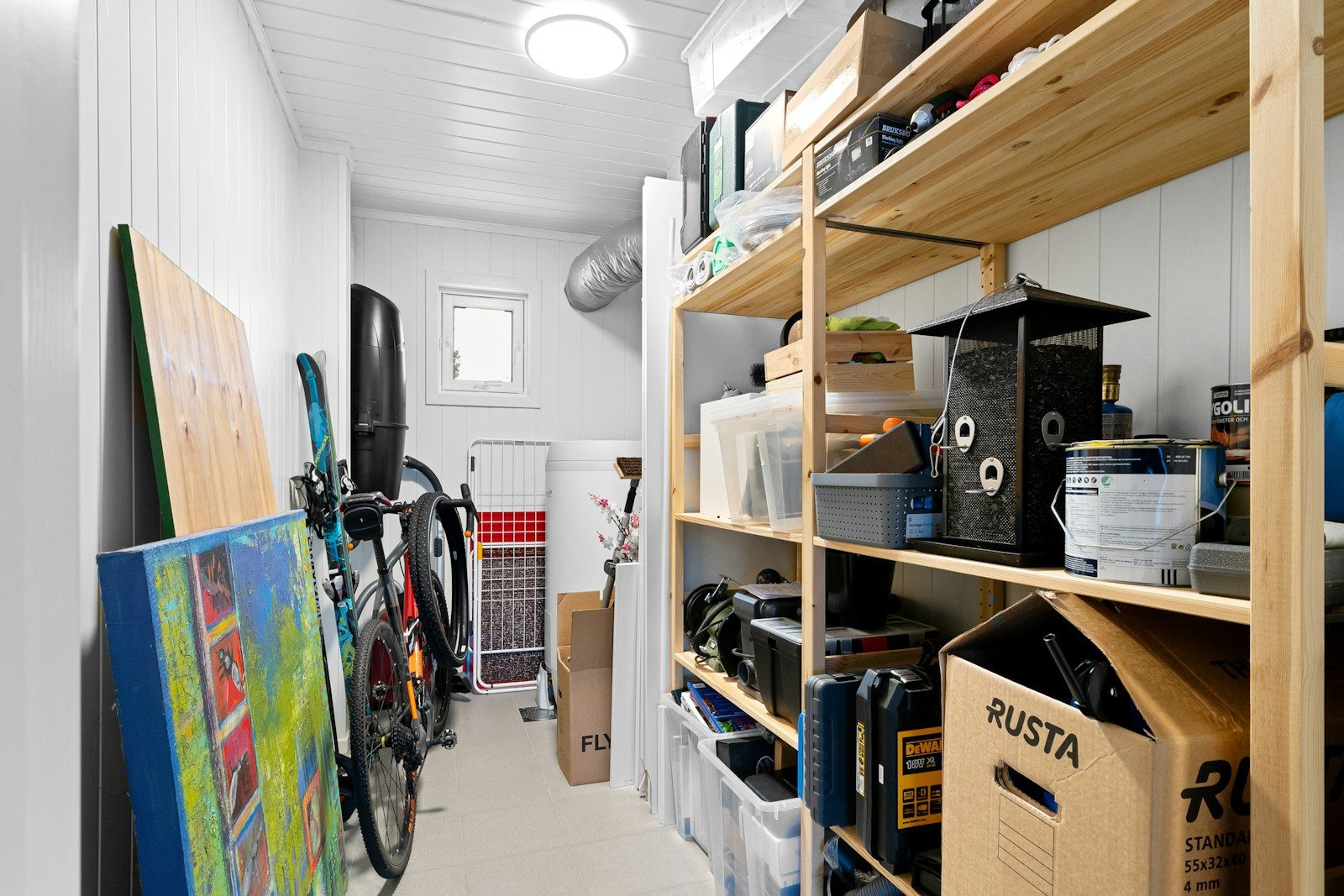
Most people look at floor space first when trying to organize a small apartment but the walls usually have the most untapped potential. Using vertical storage helps a home feel bigger because it keeps things off the floor and cuts down on visual clutter.
Why Tall Storage Works Better
A tall narrow cabinet can often hold more than a short wide one while taking up less floor space. That’s especially useful in studio apartments where every bit of room matters. Floating shelves above desks beds and doorways can also turn empty wall space into practical storage.
In cities like Mumbai and New York City apartments are often small but ceilings still offer usable space. Many residents now use hanging organizers ceiling racks and stacked storage cubes to make use of those overlooked areas.
Smart Vertical Ideas That Actually Help
Some simple ideas include:
- Slim bookshelves next to refrigerators
- Over-the-door bathroom organizers
- Magnetic racks for kitchen walls
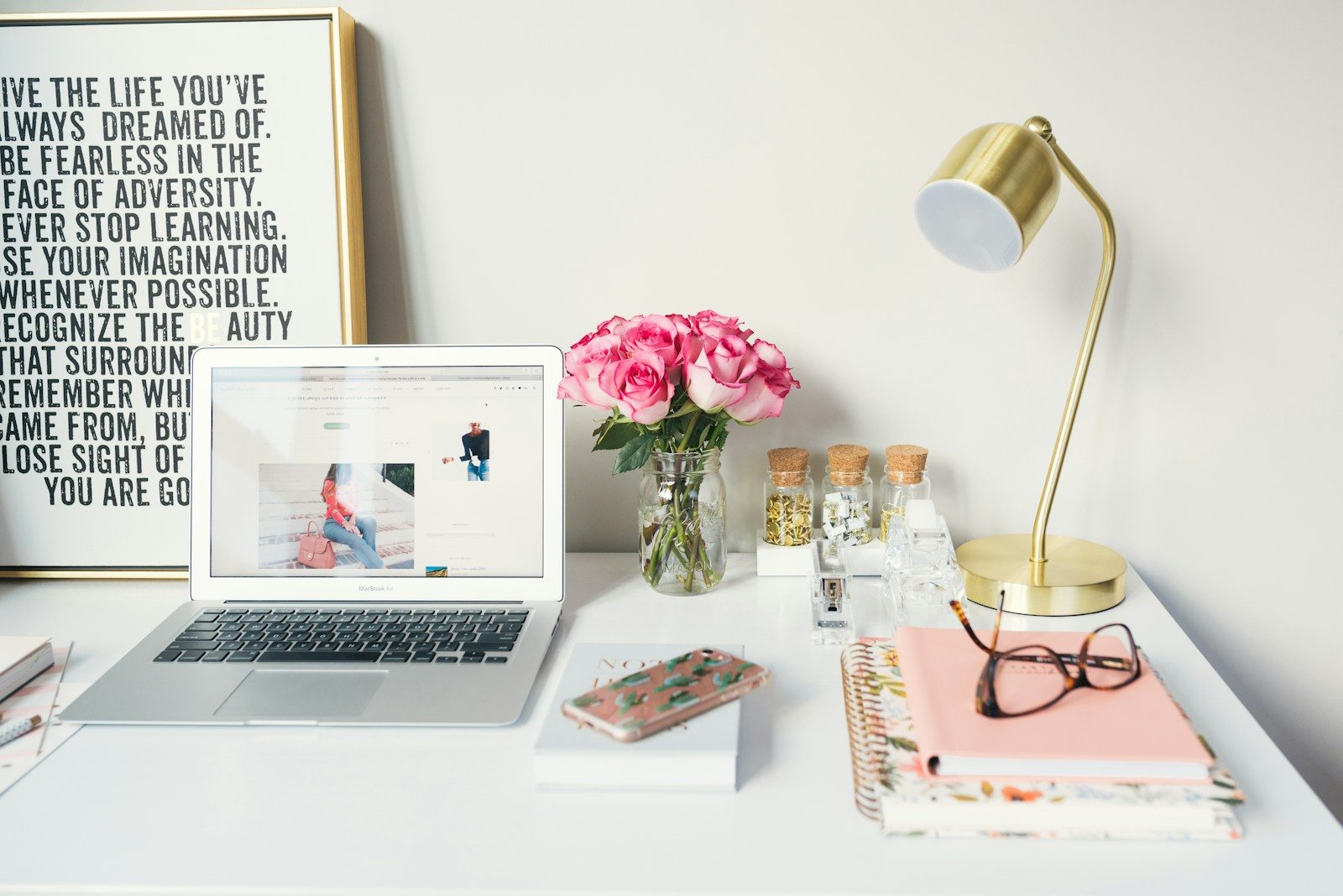
- Wall-mounted folding desks
- Ceiling hooks for bicycles
Someone working from home can add floating shelves above their desk to store notebooks cables and office supplies without needing another piece of furniture. Parents in smaller apartments often use vertical toy organizers so kids can reach their things without covering the floor with storage bins.
The goal is to find the right balance. Too many shelves can make a room feel busy. Good vertical storage keeps everyday items easy to reach while hiding everything else neatly inside cabinets or containers.
Multifunctional Furniture Saves More Space Than Bigger Rooms
Furniture in 2026 needs to do more than one job. In smaller homes a single piece that solves multiple problems is often more useful than filling the apartment with extra storage boxes.
Furniture That Earns Its Place
Sofa beds are still popular but newer versions now come with charging ports hidden storage and modular designs. Lift-top coffee tables can work as desks during the day and dining tables in the evening. Storage ottomans can hold blankets electronics or seasonal clothes while still providing extra seating.
Companies like IKEA and West Elm have also introduced collections designed specifically for renters and people living in smaller spaces.
The Best Places to Use Dual-Purpose Furniture
Bedrooms usually get the biggest benefit from multifunctional furniture. A bed frame with built-in drawers can replace a full dresser. Folding dining tables are great for people who want to host guests without leaving a large table open all week.
A common setup in studio apartments is turning the living area into a workspace during the day. A wall-mounted folding desk with stackable stools can create a work zone that disappears once the workday is done.
The most important thing is choosing furniture that matches your routine not whatever happens to be trending online. If shoes always end up near the front door a storage bench there makes sense. If you use a lot of devices a hidden charging drawer will probably be more useful.
The best multifunctional furniture makes daily life easier instead of just looking smart in photos.
Under-Bed Storage Is Still Underrated
The space under the bed is one of the most overlooked storage spots in any apartment. It can hold a lot more than people expect without changing how the room looks.
Hidden Storage Without Visual Clutter
Unlike open shelves under-bed storage keeps everything completely out of sight. That helps bedrooms feel cleaner and calmer especially in smaller homes where almost everything stays visible.
Storage beds with hydraulic lifts became much more popular because they make it easy to access the entire space underneath. Rolling storage bags are also a great option for renters using lower bed frames.
What Should Actually Go Under the Bed
The best things to store under the bed include:
- Seasonal clothes
- Extra bedding
- Luggage
- Shoes
- Important documents
- Sports equipment used occasionally
People living in humid areas should avoid storing paper items unless they’re protected inside sealed containers. Vacuum bags are also useful for reducing the size of bulky blankets and winter jackets.
For example someone working remotely in a one-bedroom apartment might store travel gear and backup office equipment under the bed instead of filling closet space with it. That keeps the room looking cleaner and helps reduce distractions.
The secret is staying organized. Random boxes quickly become frustrating because people forget what’s inside. Labels or clear containers make everything much easier to find.
Kitchen Storage Needs Smarter Layouts Not More Cabinets
Small apartment kitchens almost never have enough storage. Many people try to fix that by buying more shelves but improving the layout often works better.
Focus on Accessibility First
One of the biggest problems in compact kitchens is wasted space. Deep cabinets become messy because items get stacked and forgotten. Pull-out organizers and tiered shelves help because everything stays visible and easy to reach.
Many kitchen brands now make slim rolling carts that fit into narrow gaps between appliances. Spaces that once went unused can now hold spices oils or cleaning supplies.
Storage Habits That Reduce Daily Stress
A quick kitchen reset can make a big difference:
- Keep daily-use items at eye level
- Move seasonal cookware higher up
- Use clear containers for dry foods
- Add hooks under cabinets
- Use drawer dividers for utensils
Someone with very little counter space might install a magnetic knife strip and hanging rail to free up drawers and work surfaces. Even small updates can make cooking feel easier.
A lot of people buy storage products before getting rid of duplicate kitchen tools. That usually creates even more clutter. It’s often better to keep only the items you use regularly.
Small kitchens work best when every item has a clear place. Good storage should make cooking easier not add extra steps.
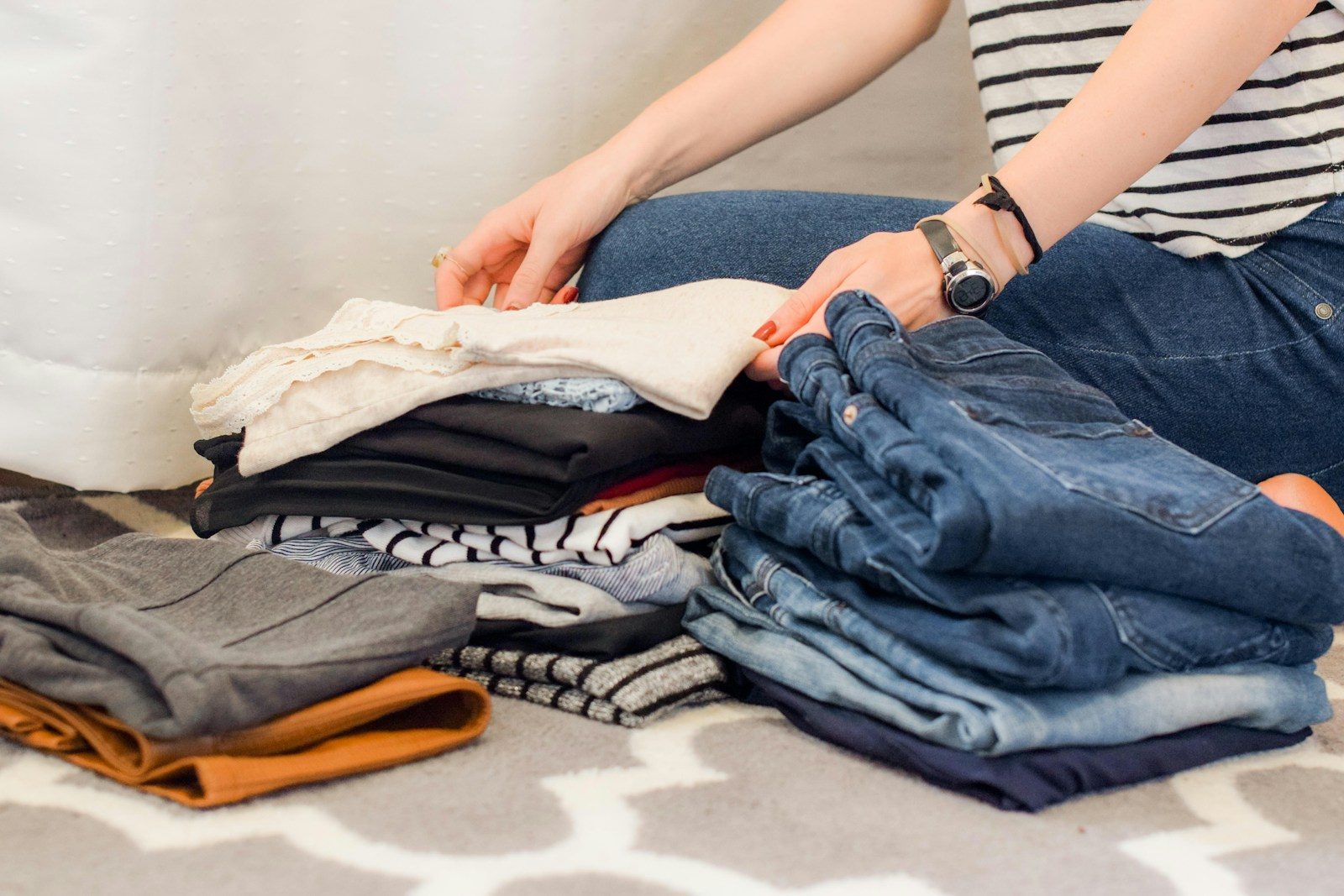
Closet Systems Matter More Than Closet Size
A small closet can hold much more than most people think when it’s organized properly. Poor layouts waste shelf depth vertical space and even the inside of closet doors.
Small Closets Often Lack Layers
Many apartment closets come with only one hanging rod. That leaves a lot of unused space below. Adding a second rod can instantly create room for shirts jackets and folded clothing.
Fabric hanging shelves are another renter-friendly option because they add storage without requiring permanent changes.
Practical Closet Upgrades That Work
Useful closet upgrades include:
- Slim velvet hangers
- Shelf risers
- Door-mounted organizers
- Stackable bins
- Pull-out baskets
A couple sharing one closet may get better results by dividing it vertically instead of splitting it in half. One side can hold longer clothes while the other uses double rods for shorter items.
Digital wardrobe apps have also become more popular. Some people use them to track what they actually wear and avoid buying things they don’t need. Interest in these tools has grown alongside conversations about sustainability on social media.
The most effective closet systems make everything easy to see. People tend to use what they can find quickly and ignore what gets buried behind piles of clothing.
Entryway Storage Prevents Apartment Chaos
The area right inside the front door has a huge impact on the rest of the apartment. When shoes bags and keys pile up there clutter usually spreads into other rooms.
Small Entry Areas Need Defined Zones
Even the smallest apartment benefits from having a simple entry setup. A narrow shoe cabinet wall hooks and a tray for keys can instantly make the space feel more organized.
Many people now choose slim vertical cabinets that hide shoes completely while taking up very little room.
Daily Routines Shape Better Storage
The best entryway storage matches real habits. Someone who cycles to work may need hooks for helmets and bags. Families with children often benefit from labeled bins for school supplies and everyday essentials.
Useful additions include:
- Foldable umbrella holders
- Charging shelves for phones
- Mail organizers
- Compact benches
- Motion-sensor lighting
Many apartments in Tokyo use a genkan-style entry area where shoes stay separate from the main living space. Similar ideas have become popular in apartments around the world.
The entryway acts as a transition zone. Good storage here saves time reduces stress and stops clutter from spreading throughout the home.
Bathroom Storage Requires Precision
Bathrooms in small apartments usually have the least amount of storage while holding a lot of daily essentials. Random storage products often end up making the room feel even smaller.
Smart Bathrooms Use Hidden Areas
Most bathrooms have unused corners and vertical space. Over-the-toilet shelves mirrored cabinets and shower organizers help add storage without getting in the way.
Many renters now prefer adhesive storage systems because they don’t require drilling holes into walls. They’ve become especially popular in temporary rentals and flexible living arrangements.
Storage That Improves Daily Routines
Bathrooms work best when items are grouped by how they’re used. Skincare products shaving supplies and cleaning items should each have their own place.
Helpful storage options include:
- Rotating corner shelves
- Under-sink pull-out drawers
- Magnetic organizers
- Wall-mounted toothbrush holders
- Stackable clear bins
For example people sharing a bathroom can assign a shelf or drawer to each person. That keeps counters cleaner and avoids confusion.
It also helps to clear out products that are expired or never used. Many bathrooms feel crowded simply because unnecessary items stay stored for too long.
A calm organized bathroom always feels bigger than it really is. Clean surfaces tidy drawers and smart vertical storage can make even the smallest bathroom feel comfortable and functional.
Foldable Designs Fit Modern Apartment Life
Foldable furniture and collapsible storage have come a long way over the last few years. Older versions often felt flimsy or looked like temporary fixes but today’s designs are much sturdier and blend in better with modern homes.
Why Foldable Products Became Popular Again
With more people working from home and living in smaller city apartments there has been a growing need for furniture that can be tucked away when it’s not being used. Foldable desks stackable chairs and extendable tables make it easier to change how a room works throughout the day.
Brands like Amazon and Wayfair have seen more interest in foldable and modular furniture as people look for practical ways to make small spaces work better.
The Best Rooms for Foldable Storage
Foldable products are especially useful in:
- Studio apartments
- Guest rooms
- Shared apartments
- Dining corners
- Balconies
Someone working remotely might set up a foldable desk during the day then put it away once work is done and enjoy the extra living space. Drop-leaf dining tables are another great option because they stay compact most of the time but can expand when friends or family visit.
The most important thing is choosing quality over extra features. Strong hinges and durable materials will always matter more than fancy add-ons.
What makes foldable storage so useful is how well it fits real life. Small apartments rarely serve just one purpose all day long. Furniture that can adapt makes a home feel more flexible and comfortable instead of limited by its size.
Digital Decluttering Creates Physical Space
Not every storage problem comes from a lack of space. Sometimes apartments feel crowded simply because people hold onto too many things they no longer use.
Technology Changed Home Clutter
Streaming services have replaced large DVD collections. Cloud storage has reduced the need for filing cabinets full of paperwork. Wireless devices have cut down on cable mess. Even so many people still keep old chargers outdated gadgets and piles of documents they haven’t touched in years.
Today digital organization has a direct effect on physical space. The fewer unnecessary items you keep the more room you have to enjoy your home.
Simple Ways to Reduce Physical Clutter
Some easy habits include:
- Scanning paper documents
- Recycling unused cables
- Selling old electronics
- Switching to e-readers
- Using cloud photo storage
A student living in a small apartment might free up desk space by moving from printed notes to a tablet. Remote workers often clear entire shelves by digitizing paperwork and records.
Companies like Apple and Google continue to expand cloud services which makes it easier than ever to store information without filling your home with paper.
Digital decluttering can also make it easier to focus. Cleaner spaces usually feel calmer and less distracting. Storage becomes much simpler when you’re not holding onto things you rarely use.
The goal isn’t to own as little as possible. It’s about making room for the things that actually matter in everyday life.
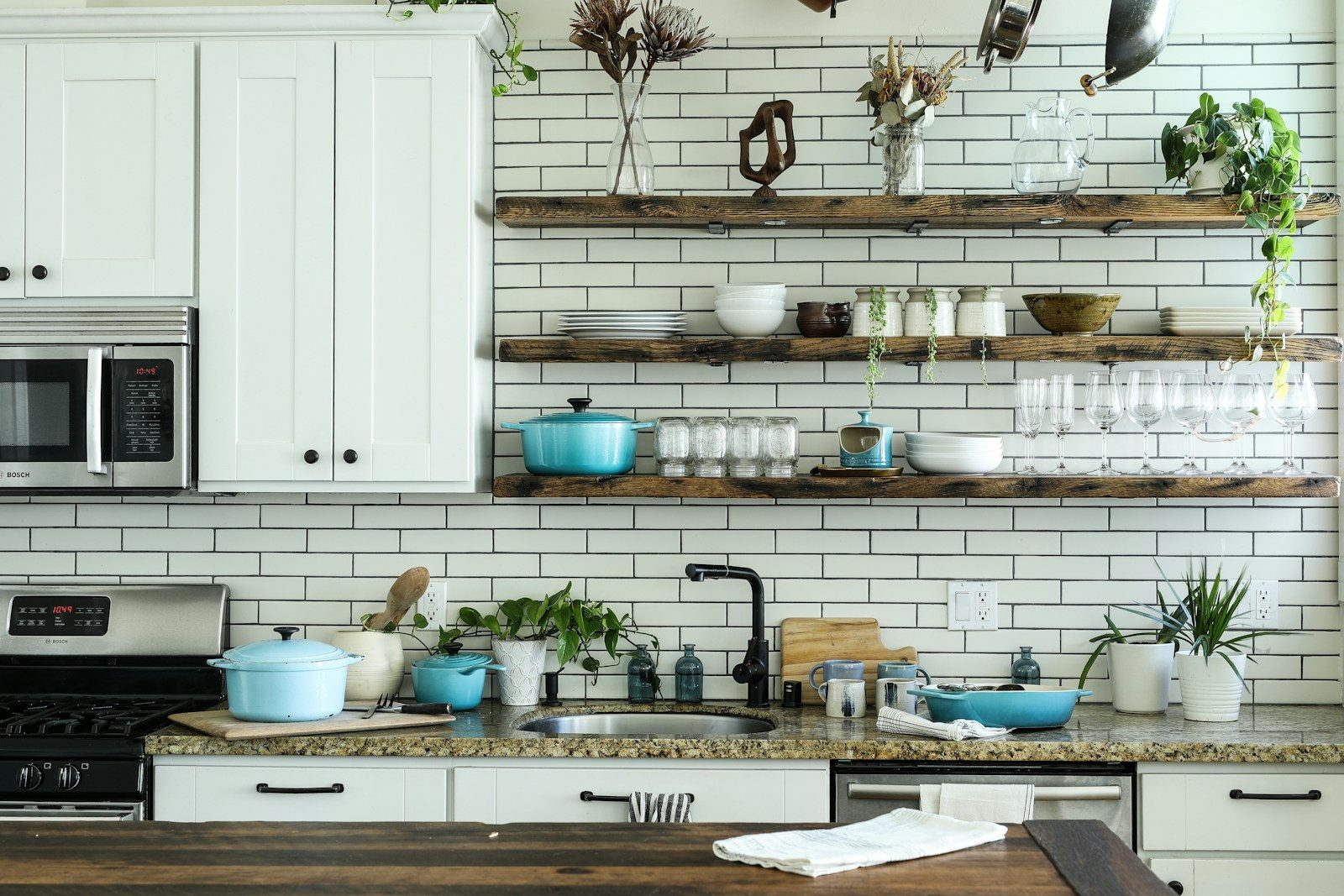
Open Shelving Works Only With Good Discipline
Open shelving is still popular but it works best when it’s used with intention. Without a little planning shelves can quickly turn into clutter magnets.
Why Some Open Shelves Fail
A lot of people use open shelves the same way they would use closed cabinets. Things get piled up and before long the shelves start looking messy. Because everything is visible it’s important to be selective about what stays there.
Many designers now suggest using open shelves for items that are either useful attractive or both rather than trying to store everything out in the open.
Best Practices for Open Shelf Storage
Good open shelving usually includes:
- Matching containers
- Neutral colors
- Limited item categories
- Consistent spacing
- Functional decor
For example kitchen shelves can hold plates glass jars and cookbooks while cleaning products stay hidden somewhere else. In a bathroom open shelves might display folded towels and daily essentials instead of a collection of mismatched bottles.
Open shelving can also make everyday items easier to reach. In a small workspace organized shelves often feel more efficient than bulky cabinets.
Pinterest helped make decorative shelving popular but practicality matters more than appearance alone.
Open storage should make life easier. If keeping shelves organized starts to feel like work closed storage is usually the better option.
Hidden Storage Creates Cleaner Living Spaces
Hidden storage continues to be one of the most popular ideas in apartment design because it helps keep rooms looking neat without sacrificing function.
Invisible Storage Feels Less Overwhelming
Most people feel more relaxed in spaces where countertops tables and floors stay clear. Hidden storage allows you to keep necessary items nearby without constantly seeing them.
Today many beds benches mirrors and even stair units come with concealed storage compartments. Some newer furniture designs even include charging stations or secure locks hidden inside drawers.
Small Hidden Storage Ideas With Big Impact
Some useful examples include:
- Mirror cabinets
- Drawer stairs
- Hidden bedside trays
- Hollow ottomans
- Sofa arm storage
A small living room might use a coffee table with hidden compartments for chargers remotes and gaming accessories. Everything stays easy to reach while surfaces remain tidy.
Families with children often like hidden storage because toys and supplies can be put away quickly once playtime is over. Shared spaces stay organized without much effort.
The best hidden storage is simple to use. If a compartment is awkward to open or difficult to reach people eventually stop using it. Convenience always matters more than complexity.
Small Apartment Storage Needs Regular Resetting
Even the smartest storage setup won’t stay effective forever. Small apartments need occasional maintenance because clutter has a way of creeping back in.
Storage Should Adapt Over Time
Life changes quickly. Someone working from home today might return to an office next year. New hobbies appear families grow and routines shift. Storage systems need to change along with them.
Many apartment residents now do seasonal resets where they review clothing paperwork kitchen supplies and electronics every few months to see what still deserves space.
Easy Reset Habits That Prevent Clutter
Helpful habits include:
- Donating unused items every few months
- Checking for duplicates
- Rotating seasonal clothes
- Clearing one drawer each week
- Keeping track of unused purchases
For example someone who recently downsized may realize they no longer need oversized furniture or kitchen gadgets they rarely use. Small changes made over time are often easier than tackling everything at once.
Professional organizers working through platforms like Taskrabbit have also seen more demand as people look for better ways to manage compact living spaces.
Storage works best when it’s treated as an ongoing habit rather than a one-time project. Small consistent efforts make it much easier to keep a home organized even during busy seasons.
Conclusion
Smart storage in 2026 isn’t really about buying more containers. It’s about creating systems that fit the way people actually live. Even a small apartment can feel comfortable organized and flexible when storage supports daily routines instead of working against them.
Vertical shelving multifunctional furniture hidden compartments and foldable designs all help make the most of limited space. At the same time some of the most effective solutions are surprisingly simple. Decluttering regularly using under-bed storage wisely and keeping entryways organized can make a huge difference.
As cities continue to grow and remote work keeps changing how people use their homes storage plays a bigger role than ever. It affects comfort productivity and even peace of mind.
The best apartments aren’t always the biggest or the most expensive. They’re the ones designed around the people who live in them. With the right approach even a compact home can feel open calm and easy to enjoy every day.