A well-organized kitchen does a lot more than just look clean. It saves time makes cooking less stressful helps cut down on food waste and makes daily tasks much easier. Many people think they need a bigger kitchen to make it work better but in reality smarter organization often makes a much bigger difference than extra space.

Recent kitchen trends are all about making better use of the space you already have. Hidden storage appliance garages vertical shelves pull-out organizers and clutter-free counters are becoming more popular than ever. Experts from National Kitchen and Bath Association often recommend using overlooked areas like toe-kick drawers behind-door storage and wall-mounted systems to improve efficiency.
Whether you have a small apartment kitchen or a large family cooking space the right setup can completely change how you use it every day. The secret is not buying more containers. It’s creating storage systems that fit your habits and routines.
This guide shares practical kitchen organization ideas that work in real homes and are easy to maintain over time.
Why Kitchen Organization Matters More Than Ever
The Hidden Cost of Kitchen Clutter
Kitchen clutter creates more problems than most people realize. It slows down meal prep makes cleaning harder and often leads to buying things you already own because you can’t find them.

When ingredients get lost inside crowded cabinets or packed pantry shelves they often expire before anyone notices. That means wasted food and wasted money.
Many homes are filled with duplicate cookware unused gadgets extra containers and random items that don’t even belong in the kitchen. Getting rid of these things often creates more storage space than buying new organizers.
Better Organization Creates Better Workflow
Think about how many times you walk between the fridge sink and stove while preparing meals.
A poorly organized kitchen turns simple cooking into a lot of unnecessary movement.
A functional kitchen helps you:
- Find ingredients faster
- Reduce meal preparation time
- Keep counters cleaner
- Lower food waste
- Simplify grocery shopping
- Improve cleaning routines
For example keeping cooking oils spices and utensils close to the stove saves time every single day. Storing food containers near the refrigerator makes it easier to put leftovers away immediately.
Small organizational changes can have a surprisingly big impact. Instead of thinking about organization as a decorating project think of it as a way to make everyday life easier.
Start With a Complete Kitchen Reset
Empty Before You Organize
One of the biggest mistakes people make is trying to organize around existing clutter.

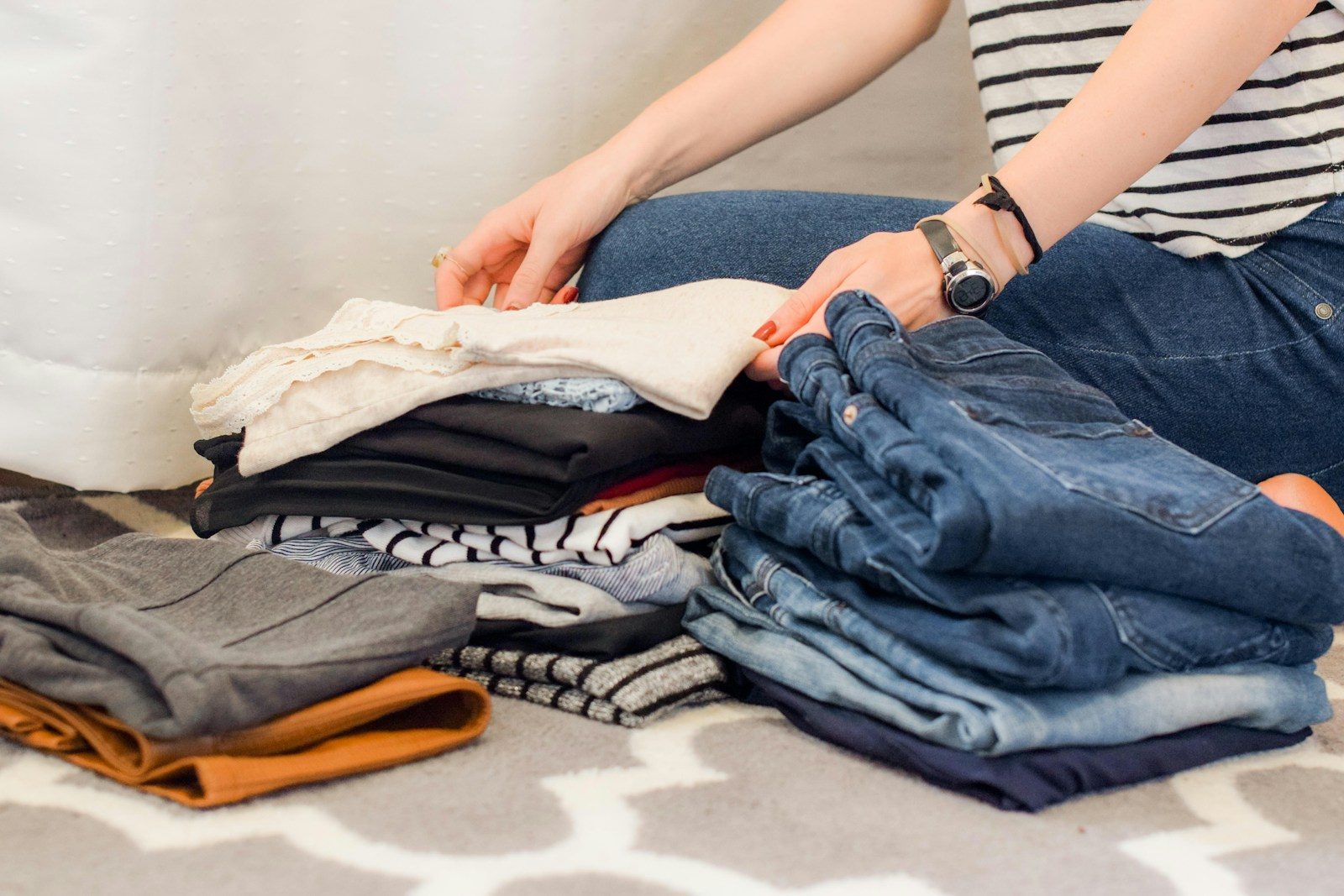
A better approach is to start fresh. Pick one cabinet drawer or pantry shelf and completely empty it before deciding what goes back.
Ask yourself:
- Have I used this in the last year?
- Do I own duplicates?
- Does it still work properly?
- Does it belong in the kitchen?
This process quickly shows how much valuable space is being wasted.
Sort With Purpose
Create three simple categories.
Keep Donate and Remove
Keep items that support the way you cook today.
If you bake every weekend keep those tools nearby. If a bread maker has been sitting untouched for years it probably doesn’t need premium storage space.
Many households have extra water bottles dozens of plastic containers without matching lids and several utensils that do the same job. Removing those duplicates instantly creates room.
The goal isn’t minimalism. The goal is usefulness.
Once unnecessary items are gone organizing becomes much easier because everything left serves a purpose.
Create Storage Zones That Match Daily Habits
Organize by Activity Not Item Type
One common mistake is storing similar items together even when they are used for completely different tasks.

Instead organize your kitchen based on activities.
Create dedicated zones for:
- Cooking
- Baking
- Food preparation
- Coffee and tea
- Lunch packing
- Cleaning supplies
This simple change reduces unnecessary movement and makes everyday tasks much smoother.
Build Functional Work Areas
When everything needed for a task is stored together life becomes easier.
Examples of Effective Zones
A coffee station could include mugs coffee beans filters spoons and sweeteners all in one spot.
A baking zone might contain mixing bowls measuring cups baking sheets flour and sugar.
A cooking zone near the stove should include:
- Frequently used spices
- Cooking oils
- Utensils
- Pot holders
Professional kitchen designers often use zoned layouts because they support faster and more efficient meal preparation.
The best kitchen layout is one that matches how you actually cook not how products are traditionally grouped.
Make the Most of Vertical Space
The Most Overlooked Storage Area
Many kitchens run out of cabinet space while leaving walls completely unused.

Vertical storage is one of the easiest ways to add extra capacity especially in smaller kitchens.
Use Height Strategically
Install shelves above workstations for items you use regularly but not every day.
Store lighter items higher and keep heavier items lower where they are easier to access.
Practical Vertical Storage Ideas
- Magnetic knife strips
- Wall-mounted spice racks
- Hanging utensil rails
- Pegboard systems
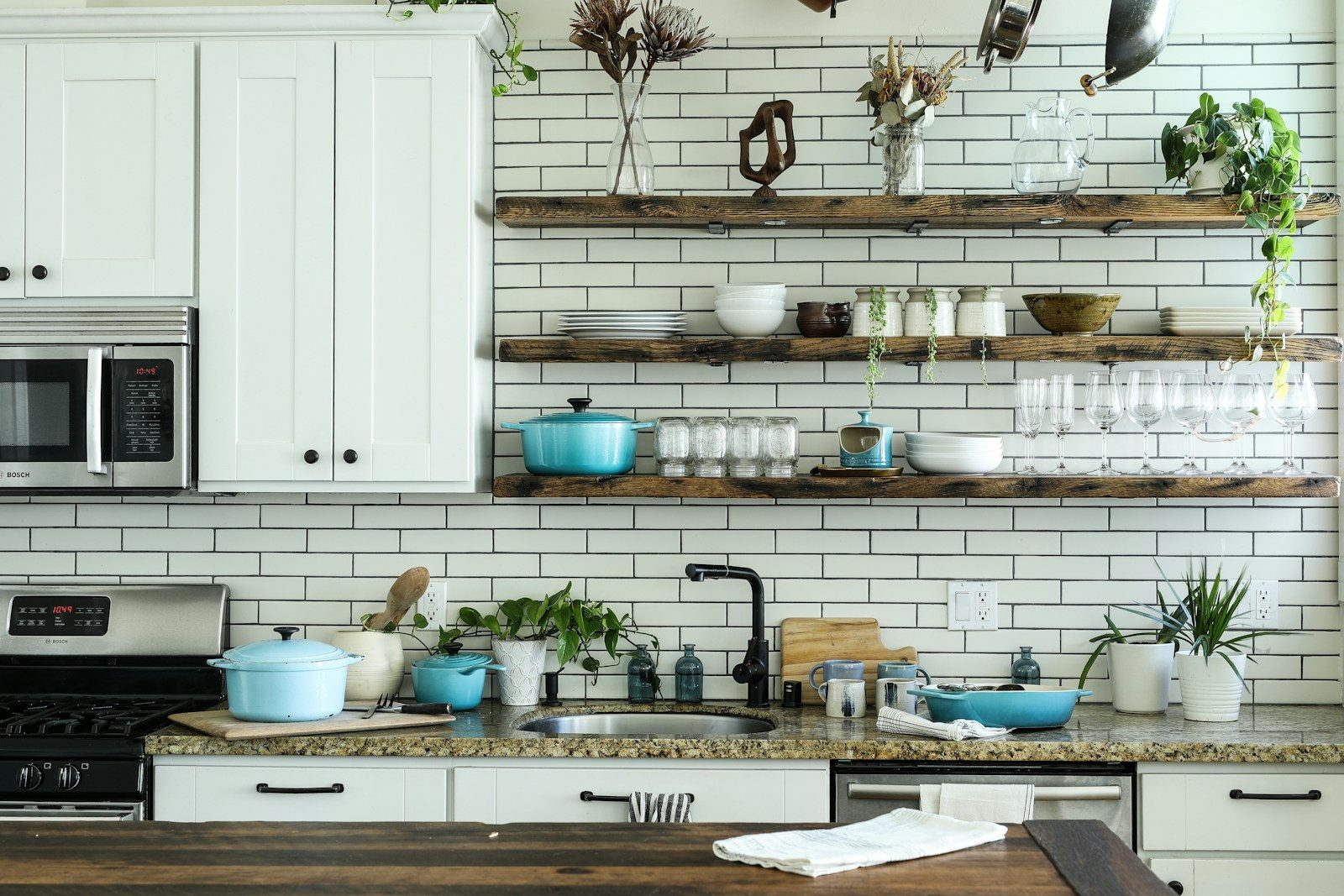
- Floating shelves
- Stackable shelf risers
A magnetic knife strip frees up drawer space while keeping knives easy to reach.
Pegboards can hold pans measuring cups and utensils without taking up cabinet room.
Vertical storage also improves visibility which makes cooking quicker and less frustrating.
Smart Cabinet and Drawer Organization Techniques
Cabinets Need Structure
Large cabinets often become places where things disappear and stay forgotten.

Adding a little structure can completely change how useful your cabinets feel.
Use shelf risers pull-out trays baskets and dividers to separate items and make them easier to reach.
Drawers Work Better With Boundaries
Without dividers drawers tend to become clutter magnets.
Tools That Improve Drawer Efficiency
- Adjustable dividers
- Utensil trays
- Drawer inserts
- Stackable organizers
Deep drawers work especially well when divided into smaller sections.
For example measuring tools cooking utensils and gadgets can each have their own designated area.
Another helpful trick is storing baking trays cutting boards and lids vertically instead of stacking them flat.
Good organization removes friction. Every item should be easy to find easy to grab and easy to put back.
Pantry Systems That Reduce Waste and Save Time
Visibility Changes Everything
A pantry works best when you can see what’s inside right away.

Hidden food often becomes forgotten food.
Many professional organizers recommend clear containers labels and dedicated categories because they make inventory easier to track.
Create a Logical Pantry Layout
Group foods based on how they are used rather than how they are packaged.
Useful Pantry Categories
- Breakfast foods
- Snacks
- Baking ingredients
- Pasta and grains
- Canned goods
- Meal ingredients
Store newer products behind older ones so older items get used first.
Many families transfer flour rice cereal and snacks into clear containers. This makes grocery shopping easier because you can instantly see what needs replenishing.
Food storage recommendations from USDA Food Safety and Inspection Service also highlight the importance of proper labeling and rotation.
Countertop Decluttering for a Cleaner Kitchen
Less on Display Means Less Stress
Crowded countertops make kitchens feel smaller and harder to clean.

The most organized kitchens usually keep only the essentials visible.
Decide What Deserves Counter Space
Ask yourself a simple question.
Do I use this every day?
If not it probably belongs somewhere else.
Items Worth Keeping Visible
- Coffee maker
- Frequently used kettle
- Fruit bowl
- Cooking utensil holder
Appliances that are only used occasionally don’t need permanent countertop space.
Clearing them away creates more room for food prep and makes cleaning much faster.
Hidden Storage Solutions for Small Kitchens
Look Beyond Traditional Cabinets
Small kitchens often require a little creativity.

Many kitchens have unused spaces that can become valuable storage areas.
Turn Unused Spaces Into Storage
Hidden Storage Ideas
- Toe-kick drawers
- Behind-door racks
- Pull-out pantry units
- Under-sink drawers
- Bench storage
- Recessed shelving
A narrow gap beside the refrigerator can become a slim pull-out pantry.
The area below lower cabinets can store baking trays seasonal items or serving platters.
These solutions are especially helpful in smaller homes where every bit of space matters.
Organizing Appliances Without Losing Access
Balance Convenience and Space
Appliances are one of the biggest storage challenges in most kitchens.

People often struggle to balance easy access with visual clutter.
Create Appliance Categories
Group appliances according to how often you use them.
A Practical Storage Method
- Daily-use appliances stay accessible
- Weekly-use appliances go into lower cabinets
- Seasonal appliances move to higher shelves
A blender used every morning deserves easy access.
A waffle maker used once a year doesn’t.
Appliance garages have become popular because they keep coffee machines toasters and mixers hidden while remaining convenient to use.
Better Food Storage for Freshness and Efficiency
Organization Can Reduce Waste
Food waste often starts with poor storage habits.

Items pushed to the back of shelves are easy to forget.
Create a Simple Tracking System
Labels and dates can make a huge difference.
Habits That Improve Food Management
- Label leftovers
- Rotate older products forward
- Use stackable containers
- Maintain a freezer inventory
Many families reduce food waste simply by labeling freezer meals with preparation dates.
Simple systems like this require very little effort but deliver long-term results.
Family-Friendly Systems That Stay Organized Longer
Design for Real Life
Many organization systems fail because they rely on perfect behavior.

The best systems make it easy for everyone in the house to follow the rules.
Create Easy-to-Follow Rules
Storage should feel obvious and intuitive.
Examples That Work
- Snack baskets for children
- Clearly labeled containers
- Color-coded zones
- Open shelves for daily items
When everyone knows where things belong the kitchen stays organized much longer.
Simple systems almost always outperform complicated ones.
Simple Maintenance Habits for Lasting Results
Organization Is a Habit Not a Project
Even the most organized kitchen can become messy without regular maintenance.

Fortunately it only takes a few small habits to keep things under control.
Focus on Consistency
Five-Minute Daily Habits
- Clear counters each evening
- Return items immediately after use
- Check refrigerator contents weekly
- Wipe shelves regularly
- Remove expired food
A quick monthly review can prevent clutter from building up again.
Professional organizers often say maintenance is what keeps organization systems working long term.
The goal isn’t perfection. The goal is consistency.
Conclusion

A cleaner and more functional kitchen doesn’t require expensive renovations or endless storage products. It starts with thoughtful organization that matches your everyday habits.
By removing clutter creating useful storage zones making better use of vertical space improving pantry systems and following simple maintenance routines any kitchen can become easier to use and easier to keep clean.
Today’s kitchen trends continue to focus on hidden storage appliance organization clutter-free counters and smarter use of space because these solutions solve real problems.
The best kitchens aren’t always the biggest. They’re the ones where every item has a purpose every space is used wisely and every system supports the way people actually live. Small changes done consistently often create the biggest improvements and those improvements make everyday cooking a lot more enjoyable.