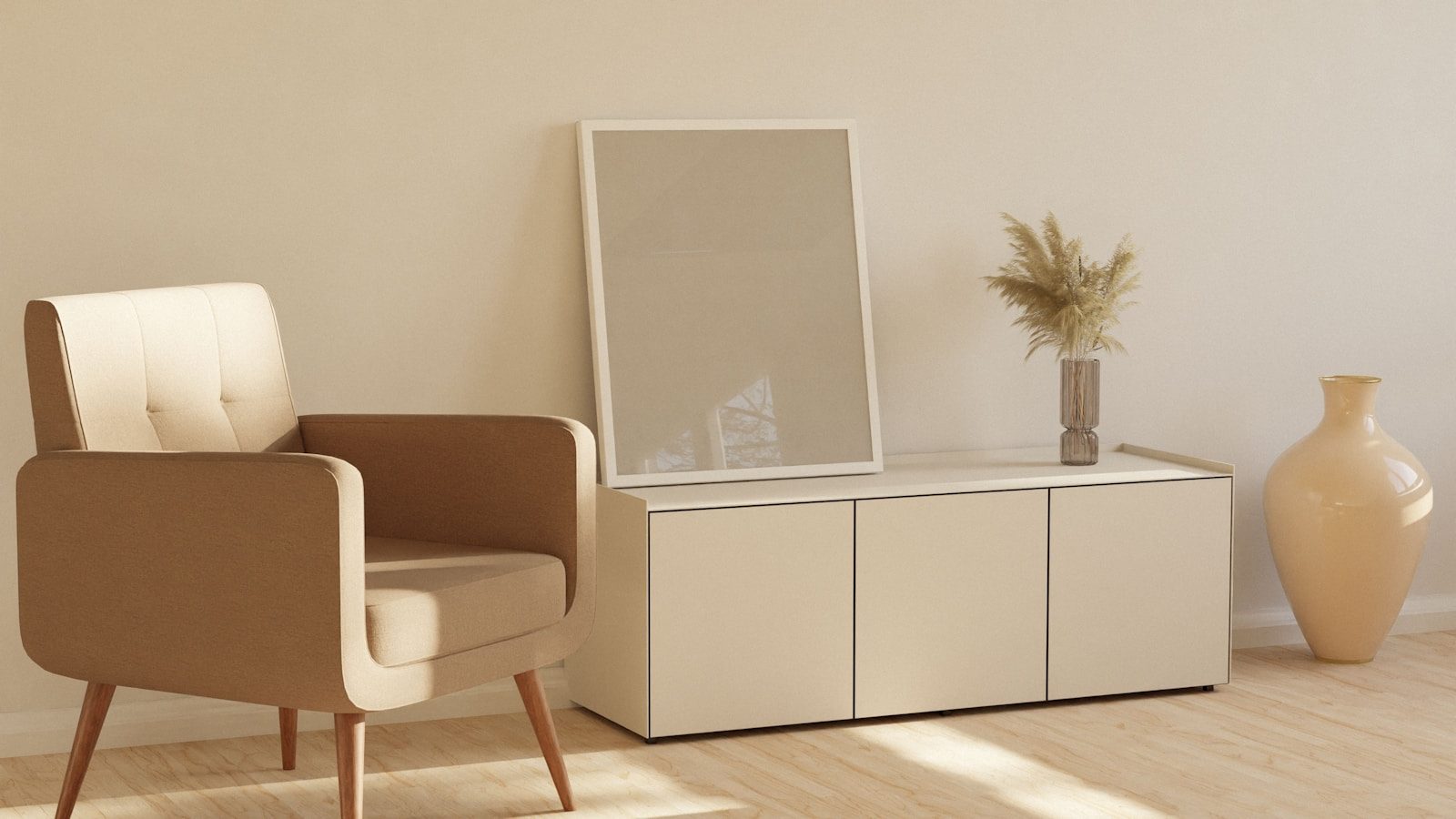
A well-organized closet does a lot more than hold your clothes. It saves time every morning cuts down stress and helps you make the most of the space you already have. That’s one reason minimalist interiors have become so popular. They create calm practical spaces where everything has a purpose and that same idea works perfectly inside a closet too.
Lately home organization trends have moved away from extreme decluttering and toward more thoughtful ownership hidden storage and systems built around everyday routines. Modern minimalist closets aren’t about empty shelves or getting rid of everything. They’re about keeping things visible easy to reach and simple to maintain.
Whether you have a large walk-in closet or a small bedroom wardrobe these ideas can help you create a space that feels bigger cleaner and much easier to use. The goal isn’t perfection. It’s creating a closet that actually works for your daily life.
Why Minimalist Closets Work Better
Simplicity Makes Everything Easier
Minimalist closets aren’t about owning only a handful of clothes. They’re about making everything easy to find and easy to use. When clothes shoes and accessories all have a proper place getting ready becomes quicker and far less frustrating.
A lot of people waste time digging through crowded shelves or searching for items hidden behind things they never wear. A minimalist setup removes those problems and makes your closet work with your routine instead of slowing you down.
Less Visual Clutter Feels Better
The way a space looks affects how it feels. Even a large closet can feel overwhelming when shelves are packed and items are stacked everywhere.
Experts from The Home Edit and Good Housekeeping often recommend creating organized systems that focus on visibility and ease of use rather than simply getting rid of things.
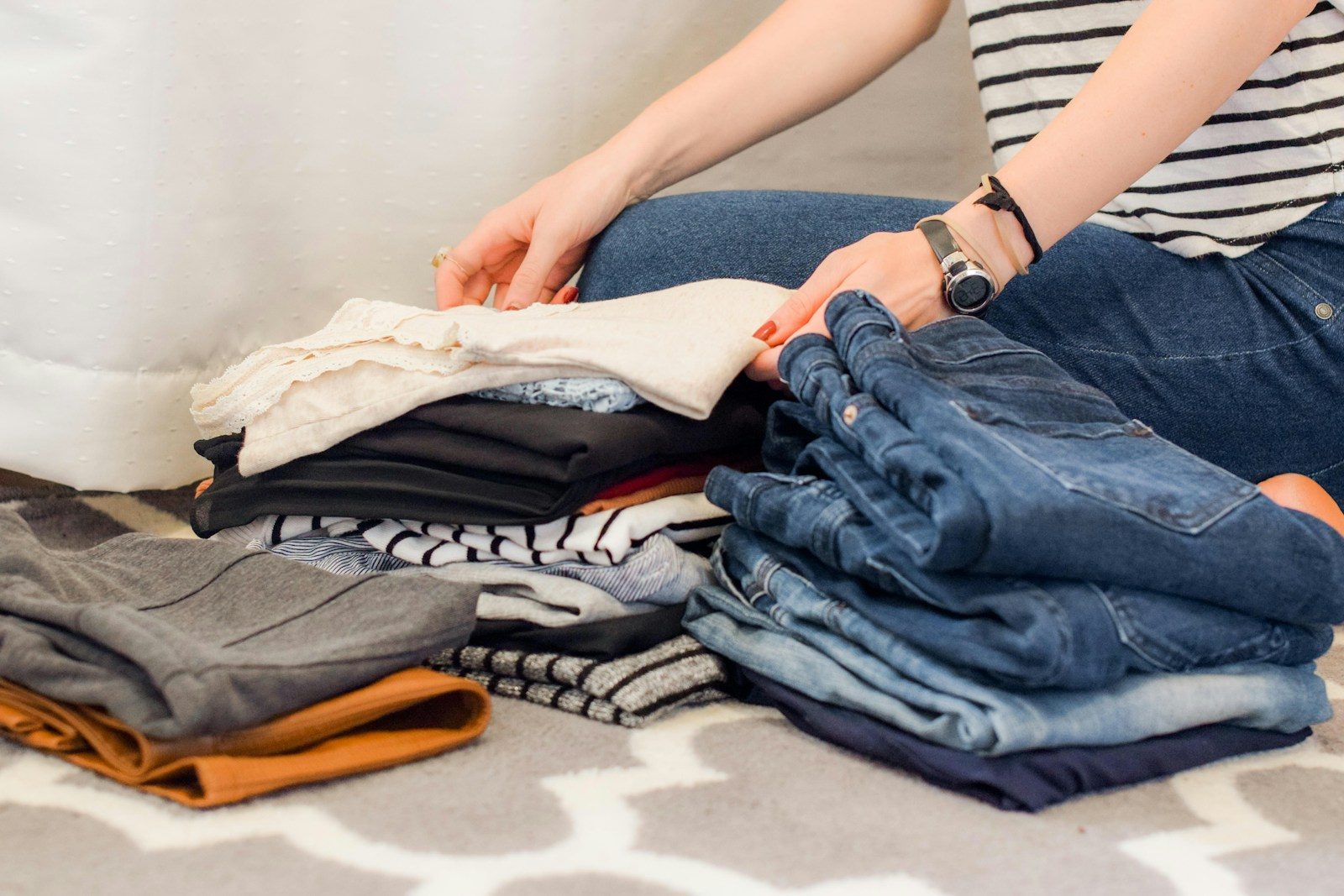
Think about the difference between a shelf stuffed with random clothes and one with neatly folded sweaters. Both may hold the same amount but one instantly feels calmer and easier to manage.
A minimalist closet works because it removes unnecessary decisions. You can see what you own find what you need and spend less energy dealing with clutter.
Start With a Thoughtful Decluttering Process
Let Go of What No Longer Fits Your Life
Every closet makeover should start with a good review of what you already own. Before buying storage bins or new organizers spend some time sorting through everything.
Separate your clothes into categories like:
- Work clothes
- Casual clothes
- Formal outfits
- Shoes
- Accessories
This makes it much easier to spot duplicates forgotten purchases and things that no longer fit your lifestyle.
Ask Practical Questions
Instead of making decisions based on emotion try asking yourself:
- Have I worn this during the last year?
- Would I buy it again today?
- Does it fit my current lifestyle?
- Would it be difficult to replace?
That doesn’t mean sentimental items have to go. Special pieces family keepsakes and occasion wear can absolutely stay. They just need a proper storage spot so they don’t take over everyday space.
For example someone who now works from home may no longer need ten business suits but might need easier access to comfortable daily clothing.
Decluttering isn’t about getting rid of everything. It’s about making room for the things you actually use.
Build a Capsule-Inspired Wardrobe Layout
Organize Around What You Wear Most
One of the easiest ways to improve your closet is to give your most-used items the best spots.
Keep everyday clothing at eye level where it’s easiest to reach. Items you wear less often can go on higher shelves or lower storage areas.
This doesn’t mean having a tiny wardrobe. It simply means organizing around the clothes you actually wear.
Group Similar Items Together
A simple system works best:
- Shirts together
- Pants together
- Dresses together
- Jackets together
You can also sort by color if you like a cleaner visual look.
Retail stores use this method because it makes everything easier to see. When you can clearly view what you already own you’re less likely to buy duplicates.
A lot of people discover they own several nearly identical items only after organizing them properly.
Use Zones to Create Order
Every Item Needs a Dedicated Space
One of the biggest principles of minimalist organization is creating zones. Instead of putting things wherever there’s room assign specific areas for different categories.
You might create zones for:
- Everyday clothing
- Shoes
- Bags
- Accessories
- Seasonal items
- Laundry
Make Everyday Routines Easier
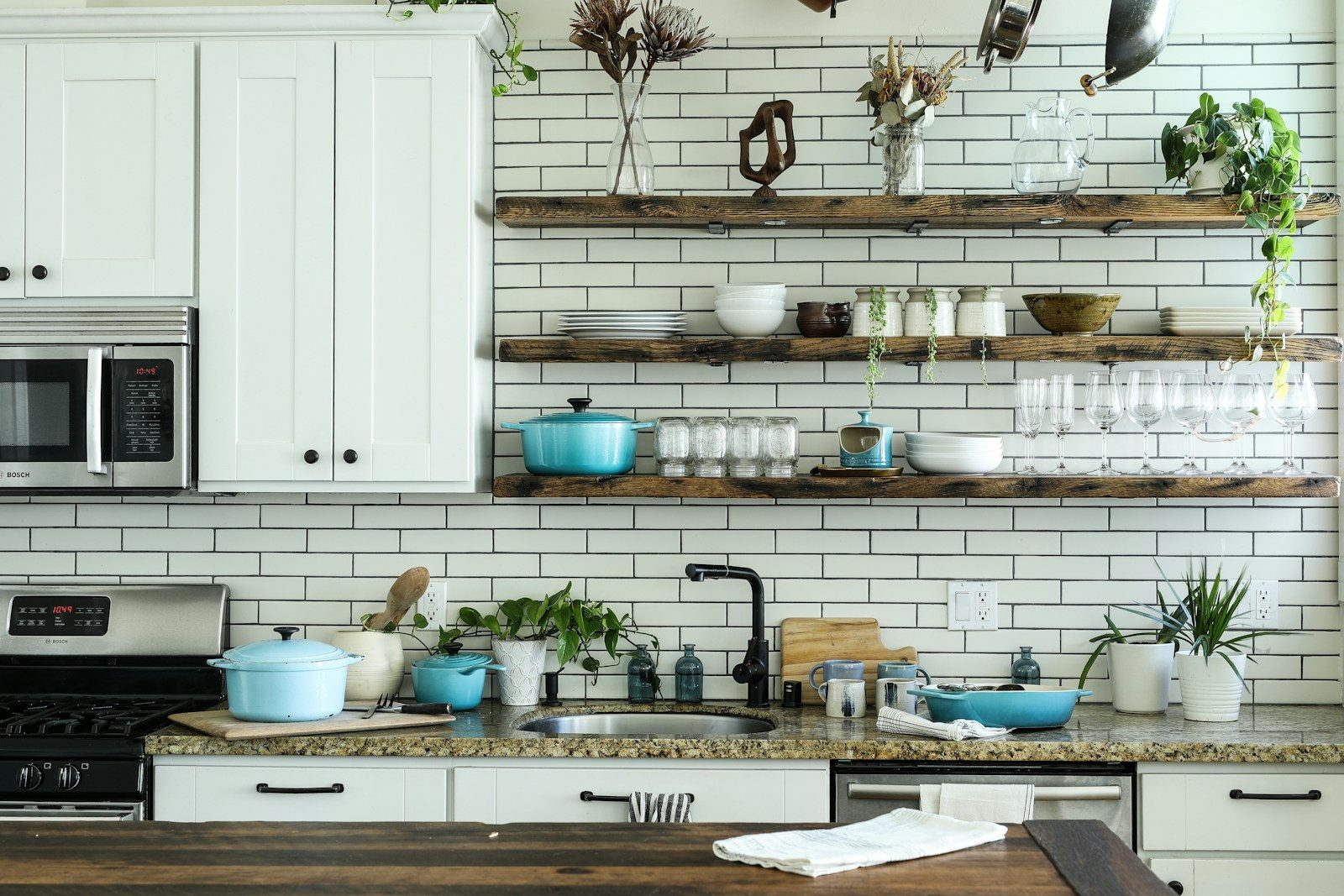
A zoned closet works much like a well-organized kitchen. You always know where things belong.
When belts bags and shoes have dedicated spots putting things away becomes almost automatic.
Try placing your most-used items where they’re easiest to reach and move less-used items to higher shelves or storage bins.
This simple system helps keep clutter from building up over time.
Maximize Vertical Space Without Creating Clutter
Look Up Instead of Out
One of the easiest ways to gain storage space is by using the vertical areas most people ignore.
The space above hanging rods and near the ceiling often goes unused. Adding shelves cabinets or stackable containers can dramatically increase storage without taking up more floor space.
Keep It Looking Clean
The trick is avoiding visual overload.
Use matching bins baskets or storage boxes whenever possible. This creates a cleaner more organized appearance.
Winter accessories spare linens or seasonal items can stay tucked away inside labeled containers while still being easy to find when needed.
A minimalist closet should feel spacious not crowded.
Choose Storage That Blends Into the Background
Hidden Storage Creates a Cleaner Look
Many modern closet designs now focus on concealed storage. Drawers cabinets and hidden compartments help reduce visual clutter and make a space feel calmer.
Closed storage works especially well for:
- Accessories
- Seasonal clothing
- Personal items
- Extra bedding
- Important documents
Solve Problems Before Buying Organizers
Experts from National Association of Productivity and Organizing Professionals (NAPO) often recommend identifying the problem before buying storage products.
If jewelry creates clutter a drawer organizer may help. If laundry piles up a pull-out basket might be the better solution.
The best storage systems support your routine quietly without demanding attention.
Organize Shoes and Accessories Like a Designer
Small Items Need Structure Too
Shoes bags belts and jewelry can quickly become the messiest part of any closet if they don’t have dedicated storage.
Minimalist closets give these items the same attention as clothing.
Display Only What You Use Most
Try keeping:
- Everyday shoes on open shelves
- Occasion shoes in labeled boxes
- Jewelry in divided trays
- Belts on hooks
- Handbags standing upright
This creates a boutique-like look while keeping everything easy to find.
Not everything needs to be visible all the time.
Create Daily Habits That Keep Things Organized
Good Systems Beat Motivation
Even the best closet setup won’t stay organized without simple habits.
The reason minimalist homes stay tidy is because their systems are easy to follow.
Small Habits Make a Big Difference
Simple habits include:
- Putting clothes away immediately
- Hanging garments after use
- Returning shoes to their spots
- Folding laundry promptly
- Removing shopping bags
Just five minutes a day can prevent hours of future cleanup.
The goal isn’t perfection. It’s consistency.
Use Lighting to Improve Function and Style
Better Lighting Makes Everything Easier
Lighting is one of the most overlooked parts of closet design.
A dark closet makes it harder to find items identify colors and stay organized. Good lighting instantly improves both function and appearance.
Simple Lighting Ideas
Popular options include:
- LED strip lighting
- Motion sensor lights
- Recessed ceiling lights
- Cabinet lighting
Good lighting helps every organizational improvement stand out and makes the closet feel larger and more welcoming.
Design Small Closets With a Minimalist Mindset
Small Spaces Benefit the Most
When space is limited every shelf hanger and storage bin needs to earn its place.
The good news is that smart organization often matters more than square footage.
Focus on Accessibility
Keep frequently used items easy to reach.
Use:
- Slim hangers
- Vertical shelving
- Door organizers
- Storage bins
A small closet with a clear structure often feels more functional than a large closet filled with clutter.
Seasonal Rotation for a Cleaner Closet
Free Up Everyday Space
Trying to keep every item accessible all year usually creates overcrowding.
Many organization professionals recommend rotating seasonal clothing so your closet reflects what you’re actually wearing right now.
A Simple Rotation System
Try storing:
- Winter coats during summer
- Heavy sweaters during warmer months
- Seasonal accessories separately
Labels make everything easier to find when the season changes.
This approach creates more breathing room and keeps daily outfit choices simple.
Common Closet Mistakes and How to Avoid Them
Mistakes That Cause Clutter
Many closets become messy for the same reasons.
Common mistakes include:
- Buying organizers before planning
- Overstuffing shelves
- Keeping every season visible
- Using the wrong hangers
- Focusing on looks over function
Better Solutions
Instead of trying to copy social media closets focus on what works for your habits.
If folded clothes always become messy use drawer dividers. If shoes pile up near the floor create a dedicated shoe area.
The best organization system isn’t the most beautiful one. It’s the one you’ll actually maintain.
Conclusion
Minimalist closet organization isn’t about getting rid of everything. It’s about creating a space that feels calm works efficiently and supports your everyday routine.
By decluttering thoughtfully creating dedicated zones using vertical storage adding hidden organization and building simple habits you can turn almost any closet into a space that’s easier to use and easier to maintain.
Whether you have a spacious walk-in wardrobe or a small apartment closet the same principles apply. Keep what serves a purpose give everything a home and make daily routines as simple as possible.
When organization becomes part of the design instead of an afterthought keeping a clutter-free closet feels natural and much easier to sustain over time.