Interior color trends come and go but every now and then a color becomes popular because it actually makes homes look and feel better. Mushroom color is one of those rare shades. In 2026 it has become a favorite among homeowners interior designers and luxury home developers because it solves a problem many people have with modern interiors.
Mushroom sits somewhere between gray beige taupe and soft brown. It feels warm without looking yellow and modern without feeling cold. That balance is exactly why so many people are choosing it.
Recent design reports from brands like Sherwin-Williams and Benjamin Moore show a growing interest in earthy nature-inspired colors. People want homes that feel calm welcoming and comfortable. Mushroom tones do that beautifully while still looking stylish and timeless.
Unlike trendy colors that can feel outdated after a few years mushroom shades create a backdrop that works with almost everything. Whether you use them on walls cabinets furniture or flooring they help create a home that feels relaxed elegant and connected to nature.
Understanding the Mushroom Color Trend
A Neutral That Feels New

Mushroom color is not just one shade. It’s a whole group of soft natural neutrals inspired by mushrooms forest soil stone and aged wood. These colors usually blend gray beige taupe and brown in different amounts.
What makes them special is their balance. Traditional beige can sometimes feel old-fashioned while cool gray can make a room feel a little lifeless. Mushroom tones sit comfortably in the middle giving you warmth and style without being too noticeable.
Why Designers Love It
Many designers are choosing mushroom shades because they add depth without using bold colors. Rooms feel richer and more layered while still staying calm and easy to live in.
What Makes Mushroom Colors Work
Some of their most common qualities include:
- Soft muted appearance
- Natural earthy undertones
- Easy pairing with wood finishes
- Works well in bright and darker rooms
- Fits many different design styles
A mushroom wall can even change slightly throughout the day. In the morning it may look more gray and by evening it can feel warmer and closer to beige. That subtle shift adds character without overwhelming the room.
As more homeowners look for timeless choices instead of short-lived trends mushroom tones continue to stand out as an easy answer.
Why People Are Leaving Cool Gray Behind
The End of the Gray Era

For more than ten years gray dominated home design. Walls floors cabinets and furniture were covered in cool gray shades because they felt clean and modern.
Over time though many people realized that too much gray could make a home feel cold and disconnected.
As people spent more time at home they started wanting spaces that felt comforting and welcoming rather than just stylish.
Why Mushroom Feels Better
Mushroom colors bring warmth while keeping the clean look people like from neutral palettes.
Many homeowners now prefer colors that:
- Feel inviting all year long
- Work well with natural materials
- Stay attractive for years
- Support a relaxing atmosphere
- Make rooms feel more comfortable
A cool gray room may look sleek but a mushroom-toned room often feels easier to enjoy every day. Furniture artwork and lighting also tend to look richer against these warmer backgrounds.
This shift is part of a bigger movement toward homes designed around comfort as much as appearance.
The Psychology Behind Mushroom Tones
Colors That Help You Relax

Color has a huge effect on how a room feels. Bright bold shades can bring energy while soft earthy tones often create a sense of calm.
Mushroom colors fall into the second category. Because they are neither too warm nor too cool they create spaces that feel balanced and comfortable.
A More Grounded Feeling
Many people are naturally drawn to mushroom shades because they remind them of natural landscapes. The connection to earth stone and wood makes rooms feel more grounded and peaceful.
Emotional Benefits
Mushroom-inspired interiors can help create:
- A calmer atmosphere
- More visual comfort
- Less design fatigue
- Better flow between rooms
- A welcoming feeling for guests
After a long busy day a room filled with soft mushroom tones feels gentle on the eyes. There is nothing competing for attention which makes it easier to unwind.
That sense of comfort is one reason these colors continue to attract families professionals and retirees alike.
How Mushroom Creates Luxury Without Feeling Formal
The Rise of Quiet Luxury

One of the biggest design movements right now is quiet luxury. Instead of flashy details the focus is on quality materials beautiful textures and timeless colors.
Mushroom tones fit perfectly into that idea.
Why It Feels Expensive
These colors don’t try to steal attention. Instead they make other elements in the room look better.
They pair beautifully with:
- Natural oak furniture
- Limestone surfaces
- Linen upholstery
- Brushed metal finishes
- Handmade ceramics
Imagine mushroom walls oak floors and soft linen seating. The space feels refined and carefully designed yet still comfortable enough for everyday life.
Many luxury hotels and premium residential projects are now using similar palettes because they create elegance without feeling overly styled.
Living Room Ideas With Mushroom Shades
Creating a Comfortable Gathering Space

The living room is often the easiest place to introduce mushroom colors. These shades work well as both background colors and feature colors giving homeowners lots of flexibility.
A mushroom wall instantly creates a calm foundation for different furniture styles and accent pieces.
Layering Makes the Difference
Instead of using one shade everywhere try mixing textures and materials.
Good combinations include:
- Mushroom walls
- Cream sofas
- Natural wood tables
- Stone accessories
- Textured rugs
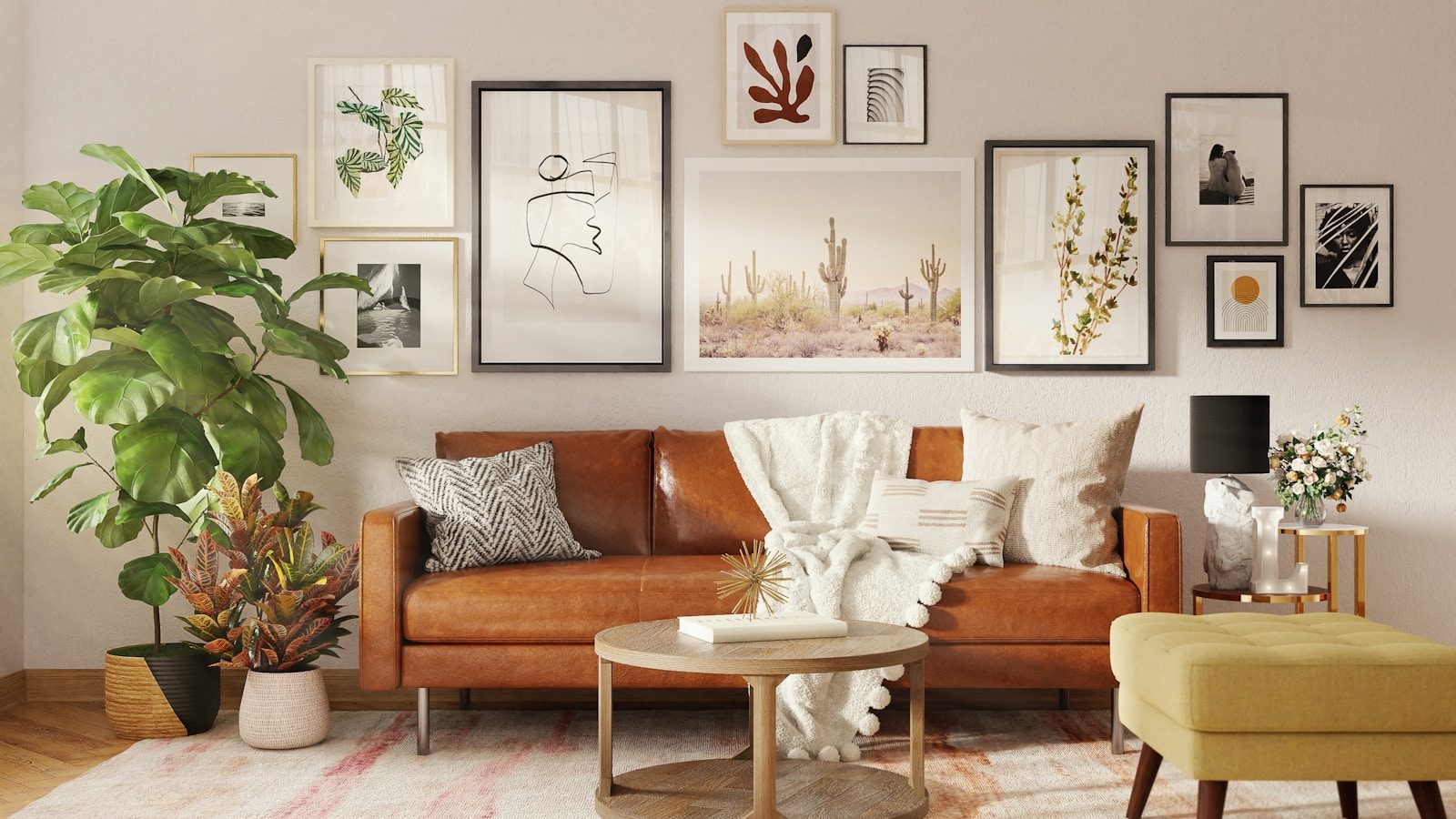
A mushroom backdrop paired with walnut furniture creates depth without making the room feel busy. Woven baskets linen curtains and ceramic pieces add even more interest while keeping the overall look relaxed.
Another advantage is flexibility. Changing seasonal decor becomes much easier because the neutral base works with almost any accent color.
Mushroom Kitchens That Feel Current and Timeless
A Warmer Alternative to White

White kitchens are still popular but many homeowners want something with a little more warmth and personality.
Mushroom-colored cabinets offer exactly that.
Materials That Work Beautifully Together
Popular combinations include:
- Mushroom cabinets with quartz countertops
- Warm brass hardware
- Natural oak shelving
- Stone backsplashes
- Matte black fixtures
A kitchen with mushroom lower cabinets and lighter upper elements often feels more grounded than an all-white design. The subtle contrast adds depth while keeping the room bright.
Because the color is neutral it also adapts easily to future updates which helps avoid expensive redesigns later.
Bedrooms That Feel Calm and Cozy
Designed for Better Rest
Bedrooms naturally benefit from softer colors and mushroom shades are a perfect fit. They create a peaceful atmosphere without making the room feel dark.
The color also changes beautifully with natural light creating a soft transition from morning to evening.
Building a Relaxing Retreat
Try layering materials such as:
- Linen bedding
- Upholstered headboards
- Wool throws
- Natural wood furniture
- Soft lighting
A mushroom-toned bedroom often feels warm and cocoon-like while still remaining bright enough during the day.
For anyone wanting that luxury hotel feeling this combination is hard to beat.
The Best Materials to Pair With Mushroom Tones
Texture Is Everything

Mushroom colors really shine when they are paired with rich textures. Since the color palette is intentionally subtle materials play a huge role in creating interest.
Without texture a neutral room can feel flat. With it the space feels warm and layered.
Materials Designers Use Most
Some of the best pairings include:
- Oak and walnut wood
- Limestone and travertine
- Linen and cotton fabrics
- Bouclé upholstery
- Handmade pottery
A textured limestone fireplace against a mushroom wall creates depth through materials rather than bold colors. Linen curtains add softness while helping maintain the calm atmosphere.
This approach keeps interiors feeling natural and timeless.
Popular Mushroom Paint Colors
Finding the Right Shade

Not every mushroom color looks the same. Some lean more gray while others feel warmer and closer to beige.
Popular options include:
- Sherwin-Williams Accessible Beige
- Benjamin Moore Pale Oak
- Benjamin Moore Edgecomb Gray
- Farrow & Ball Elephant’s Breath
- Sherwin-Williams Agreeable Gray
Before making a final decision always test samples on multiple walls. Lighting can completely change how a color looks throughout the day.
A little testing now can save a lot of disappointment later.
Why Mushroom Works With So Many Design Styles
One Color With Endless Possibilities

One of the biggest reasons mushroom colors have become so popular is their flexibility.
They fit naturally into:
- Modern minimalist homes
- Scandinavian interiors
- Contemporary farmhouses
- Japandi-inspired spaces
- Transitional designs
A modern apartment might pair mushroom walls with clean furniture and black accents. A farmhouse may use the same wall color with reclaimed wood and vintage details.
Because the foundation stays neutral homeowners can update furniture and decor later without changing the entire room.
Decorating Mistakes to Avoid
When Neutral Goes Too Far

Mushroom colors are versatile but they still need balance.
One common mistake is using the exact same shade on every surface. That can make a room feel flat instead of sophisticated.
Things to Watch Out For
Avoid these common problems:
- Ignoring texture
- Using identical tones everywhere
- Poor lighting choices
- Not adding natural materials
- Having no accent colors
A room with mushroom walls mushroom furniture and mushroom flooring can quickly feel dull. Mixing wood stone metal and fabric textures creates much more visual interest.
Lighting matters too. Warm lighting usually brings out the best in mushroom shades while very cool lighting can make them feel lifeless.
Easy Ways to Bring Mushroom Into Your Home
Start Small

You don’t need to repaint your entire house to try this trend.
Small changes can help you see how the color works in your own space before making bigger decisions.
Simple Ways to Get Started
Try introducing mushroom tones through:
- Paint in a single room
- Upholstered chairs
- Area rugs
- Curtains
- Decorative accessories
Some people start with one bedroom wall while others bring in mushroom-colored textiles first. Either approach lets you see how the shade works with your furniture flooring and natural light.
Over time many homeowners realize that mushroom tones create a flexible foundation that works with almost everything.
Conclusion
Mushroom color interiors are taking over home design in 2026 because they bring together warmth style and versatility in a way very few colors can. They feel softer than cool gray more modern than traditional beige and easier to live with than bold trend colors.
As more people look for homes that feel calm comfortable and connected to nature mushroom shades continue to make sense. They work beautifully in living rooms kitchens bedrooms and open-plan spaces while pairing effortlessly with natural materials and layered textures.
More importantly they don’t feel like a passing trend. Mushroom colors have the kind of flexibility and timeless appeal that can stay relevant for years making them one of the smartest design choices for 2026 and beyond.