A clean home is not always a clutter-free home. A lot of people spend time cleaning every day but still feel like their space looks messy. Open shelves get packed with random things, kitchen counters slowly fill up with gadgets and everyday items, and bedrooms often end up becoming storage spaces instead of places where you can actually relax.
Most of the time the issue is not dirt. It’s visual clutter. There are simply too many things competing for your attention.
These days home organization is about more than just finding a place to put things. It’s also about creating a space that feels calm and comfortable. Current interior trends are moving toward hidden storage natural materials and furniture that can do more than one job. Brands like IKEA and Muji continue to inspire people with simple storage solutions that make rooms feel quieter without making them feel cold or empty.
The idea behind aesthetic organization is pretty simple. You want your home to work for your everyday life while also feeling easy on the eyes. Small changes often make a bigger difference than people expect. A woven basket can hide a bunch of cables. Matching containers can make a busy pantry feel more organized. Closed cabinets can instantly make a room feel larger and less overwhelming.
This guide shares practical home organization ideas that help reduce visual clutter without asking you to live with the bare minimum. Every section focuses on simple things you can actually do in real homes apartments and family spaces.
Start With Visual Zones Instead of Full Decluttering
One reason people struggle with organizing is that they try to tackle the entire house at once. That usually feels overwhelming and often ends with half-finished projects. A much easier approach is to work in visual zones.
Instead of worrying about every drawer and cabinet focus on the areas you notice first when you walk into a room.
In most homes visual clutter comes from surfaces that stay out in the open. Coffee tables kitchen counters side tables and open shelves tend to collect unrelated items over time. Rather than doing a full deep clean start by clearing these visible spots first. The room will instantly feel more organized.
Focus on Eye-Level Areas First
Your eyes naturally notice the space between your waist and eye level before anything else. That’s why a crowded bookshelf or a messy kitchen backsplash can feel more stressful than a cluttered drawer that stays closed all day.
Start with:
- Entry tables
- TV units
- Kitchen counters
- Open shelving
- Bedside tables
Once these areas look cleaner the whole room usually feels better.
Keep Only Purposeful Items Visible
Anything left out in the open should either be useful or add something nice to the room.
For example a ceramic tray holding keys and candles feels intentional. A pile of random receipts tangled chargers and loose papers does not.
A common styling trick is the rule of three. Grouping three related items together often makes a surface look balanced without making it feel crowded. A lamp a small plant and a book can make a table feel finished while still being practical.
The best part is that this method makes a home look more organized very quickly without forcing you to get rid of everything.
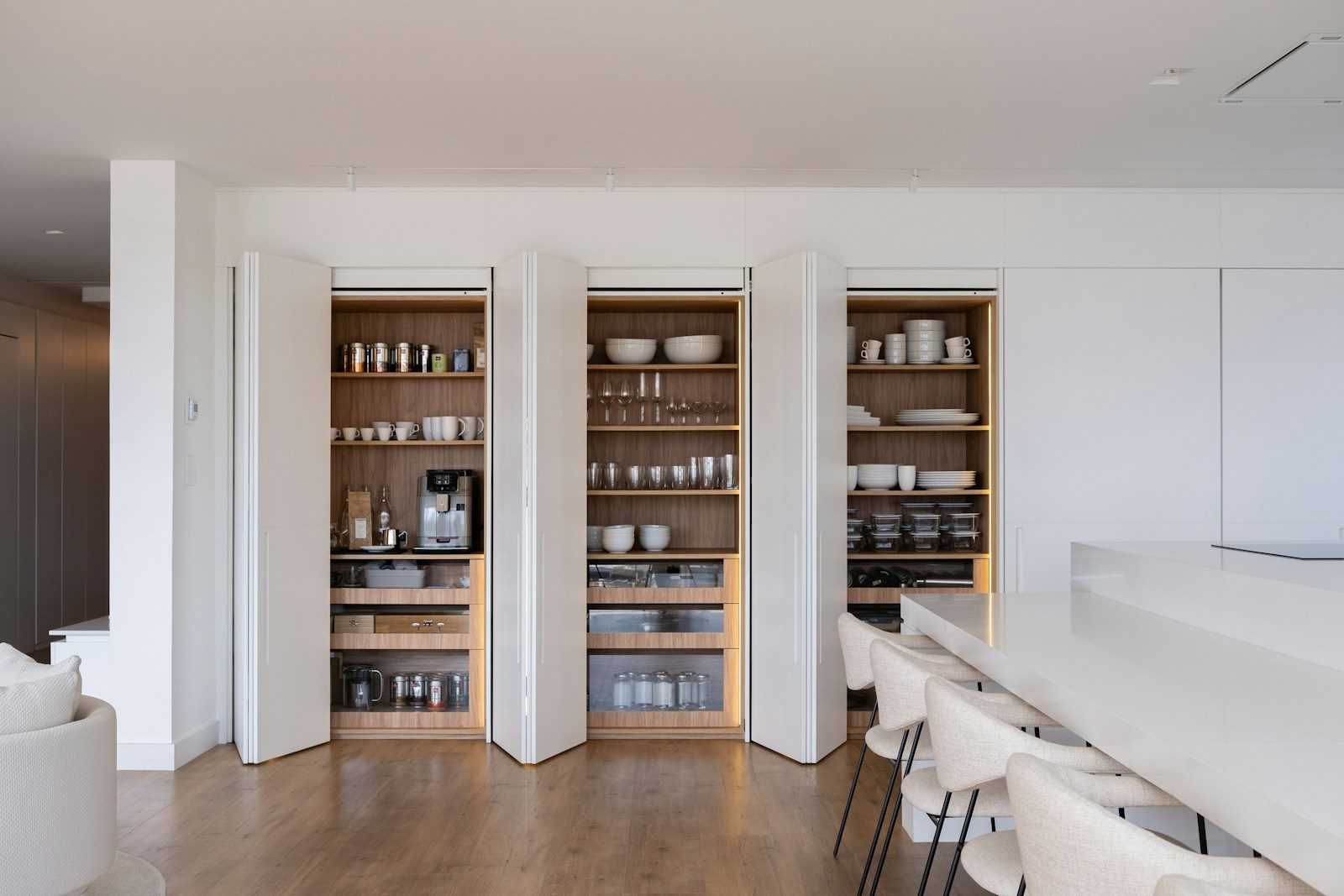
Use Closed Storage to Create Instant Calm
Open storage can look great in photos but real life is different. Most homes have cables paperwork toys bags and plenty of everyday items that don’t stay picture-perfect for long.
That’s where closed storage helps.
A lot of modern homes feel crowded simply because everything stays visible all the time. Even neatly organized items can make a room feel busy when every shelf and surface is exposed. Cabinets baskets benches and drawers help reduce that visual noise while still keeping things easy to reach.
Choose Furniture That Hides Everyday Clutter
Furniture with built-in storage is especially useful in smaller homes because it helps you stay organized without adding extra pieces.
For example:
- A bench near the door can store shoes.
- A media unit with doors can hide wires and gaming equipment.
- A storage bed can free up space that would otherwise need a larger wardrobe.
This way the things you use every day stay close by without taking over the room visually.
Use Matching Storage Containers
Even when items are organized mixed containers can make a space feel chaotic. Using baskets boxes or bins that share a similar look creates consistency and helps a room feel calmer.
Many professional organizers prefer neutral shades because they work with almost any decorating style. Natural wood beige fabric white containers and matte black storage bins remain popular because they don’t compete for attention.
Stores like The Container Store often organize products by style as much as function because visual consistency plays a big role in how organized a room feels.
Closed storage isn’t about hiding everything. It’s about being more intentional with what stays visible.
Create Breathing Space on Every Surface
One of the easiest ways to make a home feel less cluttered is to leave some empty space around the things you keep out. A lot of homes don’t actually have too much furniture. The problem is that every surface ends up holding too many things.
When there is no breathing room the space feels busy and crowded. A little empty space gives your eyes somewhere to rest and makes a room feel bigger brighter and more put together.
Stop Treating Every Surface Like Storage
Kitchen counters often turn into permanent homes for appliances grocery bags paperwork and random items that don’t belong there. Bedrooms end up covered with skincare products chargers laundry and everyday clutter. Before long the surfaces stop serving their real purpose.
Try keeping only one or two useful items on each surface and put everything else away. Even something as simple as clearing the dining table can make the entire room feel lighter.
Experts at Apartment Therapy often suggest doing a quick edit of visible surfaces every week instead of waiting until the house feels out of control.
Leave Empty Corners on Purpose
A lot of people feel like every corner needs something in it. Another shelf another plant another decoration. In reality empty space is what helps create balance.
A room with one open corner often feels calmer than a room filled with decorative pieces from wall to wall.
Simple examples include:
- Leaving a little space beside the sofa
- Keeping one kitchen corner clear
- Not overcrowding bedside tables
- Using fewer decorations on window ledges
This works especially well in small apartments where too many visible items can make the space feel much smaller than it actually is.
A little breathing room can completely change how a room feels without spending any money at all.
Organize by Color to Reduce Mental Noise
Color has a bigger impact than most people realize. A room can be perfectly tidy and still feel chaotic if there are too many colors competing for attention.
Sometimes visual clutter comes from color overload rather than actual mess.
Modern organizing methods often focus on both storage and color because calm color palettes help a room feel more peaceful and organized.
Limit the Number of Visible Colors
This doesn’t mean everything has to be white beige or neutral. It simply means keeping large visible items within a smaller color range so the room feels more connected.
For example:
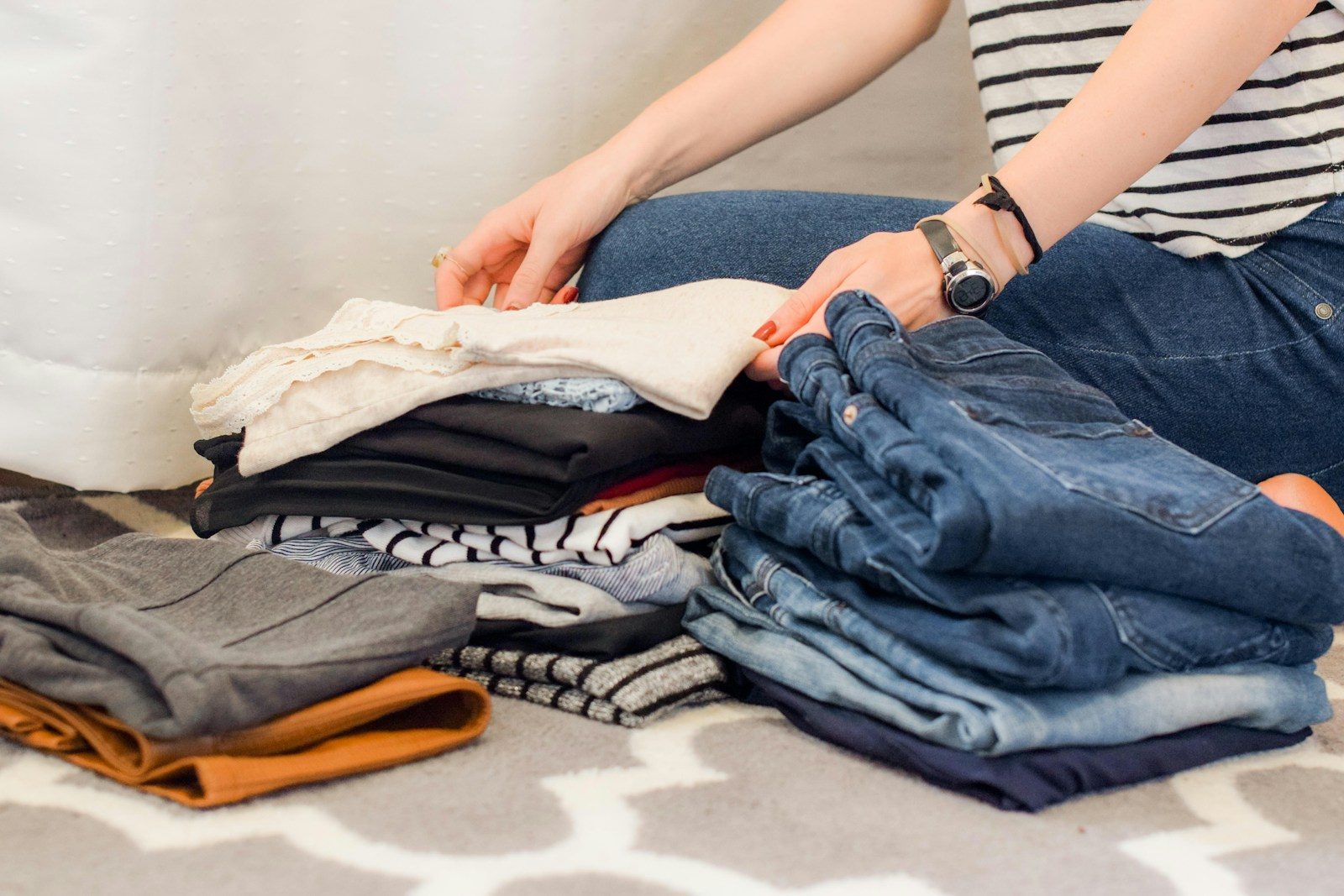
- Use matching hangers in closets
- Store pantry items in similar containers
- Keep towels within the same color family
- Choose baskets that work together visually
These small changes create a sense of rhythm and make a space feel more intentional.
Brands like West Elm and H&M Home often style rooms with layered neutral shades because they help create a calm and balanced look.
Hide Packaging Whenever You Can
Product packaging is one of the biggest sources of visual clutter. Bright labels logos and different shapes can make shelves and counters feel busy even when everything is technically organized.
Moving products into simple containers can make a huge difference.
Good examples include:
- Glass jars for pantry staples
- Refillable soap dispensers
- Storage bins for snacks
- Fabric boxes for toys
This not only looks cleaner but also makes it easier to see what you already have at home.
Color organization works because our brains process simple visual patterns more comfortably than a mix of competing colors and shapes.
Make Entryways Simpler and More Functional
The entrance of your home sets the tone for everything else. If the first thing you see is a pile of shoes bags keys and packages the entire house can feel messy before you even step inside.
A simple organized entryway helps reduce stress and stops clutter from spreading into the rest of the home.
Create an Easy Drop Zone
Most people need somewhere to put everyday items the moment they walk through the door. Without a system those things usually end up on the nearest chair counter or table.
A simple drop zone might include:
- A tray for keys
- Hooks for bags and jackets
- A basket for shoes
- A small drawer for everyday essentials
The goal isn’t just to make the space look nice. It’s to make putting things away effortless.
Many interior designers recommend using vertical storage in entryways because floor space is usually limited. Wall hooks and floating shelves help keep the area feeling open while still providing storage.
Reduce the Number of Visible Shoes
Shoes create a surprising amount of visual clutter because they come in different sizes colors and styles. Keeping only the pairs you use regularly out in the open can instantly make the area feel cleaner.
Good storage options include:
- Closed shoe cabinets
- Storage benches
- Vertical shoe racks inside closets
A simple rule works well here. If you haven’t worn a pair recently it probably doesn’t need to sit by the front door.
Small improvements in the entryway often have a bigger impact than expected because they stop clutter before it spreads through the rest of the house.
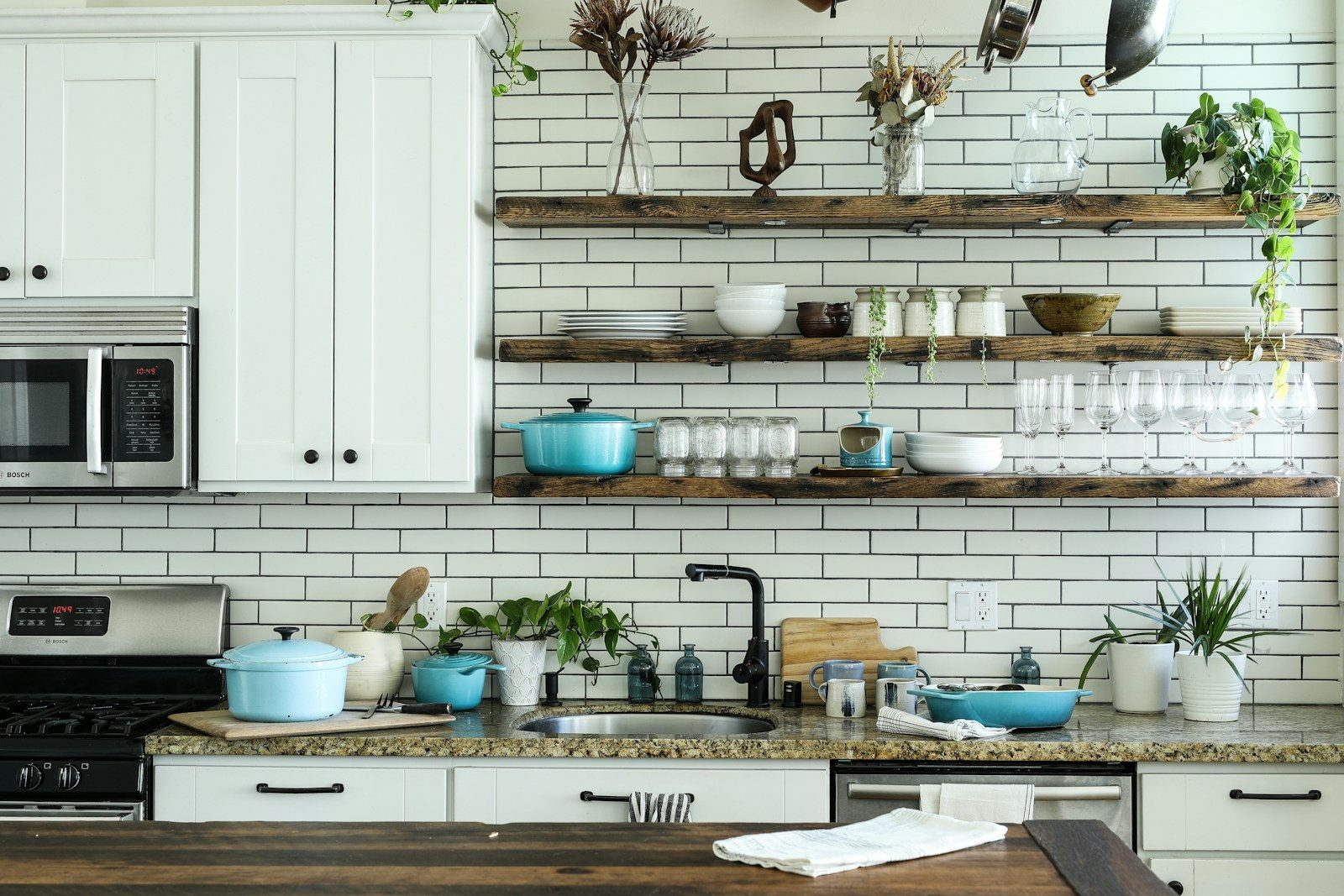
Turn Open Shelves Into Styled Storage
Open shelves can look beautiful but they can also become clutter magnets if you’re not careful. Random items packed together with no breathing room can make a room feel busy and stressful.
The answer isn’t getting rid of shelves. It’s using them more intentionally.
Mix Practical and Decorative Items
Shelves tend to look better when useful items are balanced with a few decorative pieces. Instead of filling every inch leave small gaps between groups of objects.
A balanced shelf might include:
- A stack of books
- A ceramic vase
- A storage basket
- A framed photo
- A trailing plant
This creates visual interest without making the shelf feel crowded.
Many professional stylists avoid filling more than about seventy percent of a shelf. The remaining space helps each item stand out naturally.
Hide Small Items Inside Containers
Small loose items are one of the quickest ways to make shelves look messy.
Things like:
- Chargers
- Office supplies
- Cables
- Children’s toys
- Spare accessories
often look cluttered even when grouped together.
Decorative boxes and baskets help keep these items accessible without leaving everything on display.
Stores like Zara Home frequently use this layered styling approach because it feels relaxed organized and welcoming at the same time.
Well-organized shelves should feel thoughtfully arranged not packed from edge to edge.
Use Lighting to Make Rooms Feel Cleaner
Lighting has a huge effect on how organized a room feels. Poor lighting creates dark corners harsh shadows and visual heaviness. Better lighting can make a space feel fresher and more balanced almost instantly.
Natural light is always the best option but artificial lighting plays an important role too.
Layer Your Lighting
Many homes rely on one bright ceiling light for the entire room. While it gets the job done it can make clutter stand out more and create uncomfortable contrasts.
A better approach is combining different light sources such as:
- Ceiling lights
- Table lamps
- Floor lamps
- Warm accent lighting
Layered lighting softens the room and creates a more comfortable atmosphere.
Warm white bulbs usually feel much more relaxing than cool blue-toned lighting especially in bedrooms and living areas.
Keep Window Areas Clear
Natural light works best when it can move freely through the room.
Simple changes can help:
- Use lighter curtains
- Remove excess decor from window sills
- Space plants apart
- Keep windows clean
Homes featured by publications like Architectural Digest often feel calm and organized partly because they make the most of natural light and open space.
Good lighting won’t magically remove clutter but it can make a room feel far more balanced and welcoming.
Reduce Cable and Tech Clutter
Modern homes are filled with technology and while it makes life easier it can also create a lot of visual clutter. Chargers cables routers gaming systems smart speakers and extension cords can make even a clean room feel messy.
That’s why organizing tech has become an important part of creating a calm and tidy home.
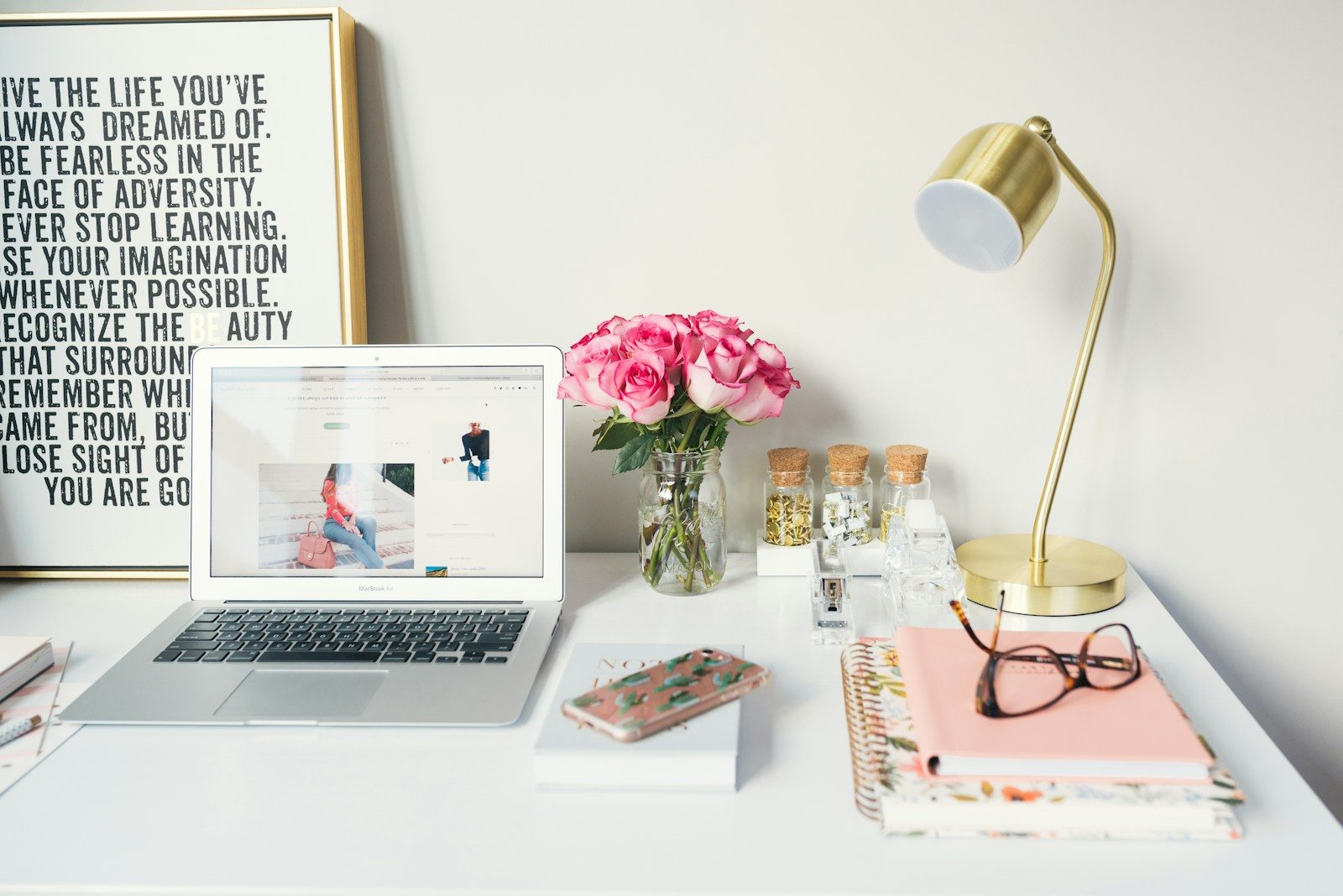
Create One Dedicated Charging Area
A common mistake is leaving chargers scattered throughout the house. One on the kitchen counter another by the sofa and a few more in the bedroom. Before long cables seem to be everywhere.
A better solution is to create one main charging spot.
This could be:
- A drawer with cable organizers
- A charging tray near the entryway
- A bedside charging station
- A storage box designed for cords and devices
Keeping devices in one place instantly reduces visual clutter and makes it easier to find what you need.
Hide Wires Whenever Possible
Visible cables break up clean lines and make spaces look busier than they really are. The good news is that small fixes can make a huge difference.
Simple solutions include:
- Cable raceways behind desks
- Under-desk cable trays
- Cord sleeves for entertainment units
- Wireless lamps when practical
Companies like Apple often design their retail spaces with hidden cable systems because cleaner visual lines help create a calmer environment.
Another bonus is that organized cables collect less dust and make cleaning easier.
A room with well-managed technology often feels quieter and more relaxing even when plenty of devices are still present.
Make Kitchens Feel Lighter and More Open
The kitchen is usually one of the busiest rooms in the house which means clutter builds up quickly. Food packaging appliances utensils shopping bags and everyday items all compete for space.
The key is not getting rid of everything. It’s deciding what really needs to stay visible.
Keep Counters as Clear as You Can
Many people leave appliances on the counter all the time even when they only use them occasionally. This takes up workspace and makes the room feel crowded.
Try limiting visible appliances to the ones you use most often.
For many households that means:
- A coffee maker
- A toaster
- One frequently used cooking appliance
Everything else can stay inside cabinets until needed.
Many professional organizers follow a simple rule. Once you’re done using something put it away right away instead of creating another temporary pile.
Organize Pantry Items by Category
A pantry becomes much easier to manage when similar items stay together.
Helpful categories include:
- Breakfast foods
- Baking ingredients
- Snacks
- Pasta and grains
- Spices
Using clear containers can make the pantry feel much cleaner because it removes the visual noise created by different packages while making supplies easier to track.
Storage systems from brands like OXO remain popular because they help maximize space while keeping everything easy to see.
A kitchen that feels organized often stays cleaner simply because it’s easier to maintain.
Design Bedrooms for Calm and Rest
The bedroom should be one of the most relaxing places in the home. Unfortunately it often becomes a catch-all space for laundry extra furniture chargers and random items that don’t belong anywhere else.
The goal isn’t perfection. It’s creating an environment that feels peaceful at the end of the day.
Remove Furniture That Doesn’t Serve a Purpose
Many bedrooms have chairs tables or decorative pieces that rarely get used and mostly collect clutter.
Ask yourself:
- Do I use this regularly?
- Does it make the room more comfortable?
- Does it provide storage?
- Is it blocking movement?
If the answer is no it may be worth removing.
Sometimes taking out one unnecessary piece of furniture makes a room feel bigger and calmer right away.
Keep Nightstands Simple
Nightstands tend to collect everything from receipts and skincare products to charging cables and loose items.
Keeping only a few essentials visible creates a more restful space.
A simple setup might include:
- A lamp
- One book
- A glass of water
- A small tray for essentials
Everything else can stay inside a drawer.
Organizations like Sleep Foundation often discuss how a clean and calming bedroom environment can support better sleep and reduce mental overstimulation.
Even small improvements in the bedroom can have a noticeable effect because this is where you begin and end each day.
Use Multi-Functional Furniture in Small Spaces
Smaller homes and apartments need furniture that works harder. When every piece only serves one purpose storage becomes limited and clutter builds up faster.
Furniture that can do more than one job helps save space while keeping rooms looking cleaner.
Choose Pieces That Adapt to Everyday Life
Modern furniture is designed to be much more flexible than it used to be.
Popular options include:
- Foldable dining tables
- Sofa beds
- Nesting tables
- Storage benches
- Wall-mounted desks
These pieces reduce the amount of furniture needed while still supporting daily life.
They’re especially useful in apartments where open floor space can make a room feel much larger.
Avoid Furniture That’s Too Large
Even a clean room can feel crowded if the furniture is oversized.
Instead consider:
- Slim armchairs instead of bulky recliners
- Furniture with raised legs that shows more floor space
- Narrow shelving instead of deep cabinets
Retailers like CB2 often focus on compact designs that work well in modern apartments and smaller homes.
Good organization isn’t about fitting more things into a room. It’s about making the space easier and more comfortable to use.
Build Simple Daily Reset Habits
Even the best organization system won’t stay effective without a little maintenance. The good news is that keeping a home organized doesn’t require hours of cleaning every day.
Small habits often make the biggest difference.
Spend Ten Minutes Resetting Key Areas
A quick reset in the evening can prevent clutter from building up throughout the week.
Focus on the areas you use the most.
Simple tasks include:
- Clearing kitchen counters
- Folding blankets
- Putting shoes away
- Returning dishes to their place
- Emptying visible trash
These small actions help maintain order without feeling overwhelming.
Many professional organizers recommend linking cleanup habits to routines you already have such as making tea brushing your teeth or getting ready for bed.
Avoid Creating Temporary Piles
Temporary piles have a habit of becoming permanent ones.
Mail shopping bags paperwork and laundry often sit around much longer than expected.
Instead try to deal with things right away:
- Sort mail when it arrives
- Put shopping bags away immediately
- Handle laundry the same day when possible
- Return items after using them
These tiny habits save a surprising amount of time and stress later on.
Organization experts like Marie Kondo Official Website became well known because lasting results usually come from simple routines rather than extreme cleaning sessions.
Consistency almost always matters more than having the perfect organization system.
Conclusion
Aesthetic home organization isn’t about owning as little as possible or trying to copy perfectly styled homes you see online. It’s about creating a space that feels comfortable functional and easier to live in every day.
Visual clutter can affect focus mood and energy levels more than most people realize. Simple changes like clearing surfaces hiding cables using closed storage and reducing color overload can completely change how a home feels. Most of these improvements don’t require expensive renovations or professional help. They come from better habits and smarter use of space.
The best organization systems are realistic. They work with your daily routines instead of fighting against them. A busy family home will always have laundry toys and everyday activity. That’s completely normal. The goal isn’t perfection. The goal is reducing unnecessary visual stress so your home feels lighter calmer and easier to manage.
When function and appearance work together a home becomes more enjoyable to use without feeling sterile or empty. In many cases calm organized spaces come from thoughtful systems rather than constant cleaning. Even starting with one surface one shelf or one room can create momentum that naturally spreads throughout the rest of the home.