Terrace gardening has become one of the easiest ways for people in Indian cities to bring more greenery into their homes. With apartments and smaller houses becoming common in places like Mumbai, Bengaluru, Pune, and Hyderabad many families are turning their rooftops into useful growing spaces.
A well-planned terrace garden can help reduce heat around the house improve air quality and give you fresh vegetables herbs and flowers throughout the year. Many home gardeners today are also choosing organic methods water-saving irrigation systems vertical gardens and edible plants that look beautiful while serving a purpose.
The best part is that you do not need a huge rooftop or a big budget. Even a small terrace can become productive when planned properly. A little understanding of sunlight the right containers suitable plants and simple maintenance habits can make a big difference.
This guide covers practical ideas that work well for Indian weather conditions limited spaces and busy daily schedules.
Why Terrace Gardening Is Growing in Small Indian Homes
Urban Living Creates New Gardening Opportunities
Many families no longer have access to traditional backyard gardens. As cities continue to expand people are finding new ways to grow plants within limited spaces.
Terrace gardens make use of rooftop areas that would otherwise stay empty. Instead of unused concrete spaces homeowners can create areas for growing food relaxing outdoors and adding greenery to their surroundings.
More Than Just a Hobby
Terrace gardening offers benefits that go far beyond appearance.
Benefits for Modern Households
- Access to fresh vegetables and herbs
- Less dependence on market produce
- Better use of unused rooftop space
- Cooler indoor temperatures during summer
- More enjoyable outdoor living areas
- Better biodiversity around the home
Many families now grow coriander mint spinach tomatoes and chilies right on their terraces. Freshly harvested produce often tastes better and can reduce grocery expenses over time.
Interest in home gardening is also growing because people want healthier food and a closer connection to nature. Even a small terrace can support both goals surprisingly well.
Assessing Your Terrace Before You Begin
Start With Safety and Structure
Before buying plants pots or gardening supplies spend some time checking your terrace.
Containers filled with wet soil can become quite heavy. Water storage decorative items and raised beds add even more weight.
If you are planning a large garden it is a good idea to consult a structural engineer before making major changes.
Understand Your Growing Conditions
Every terrace has its own environment and understanding it early will help you make better decisions later.
Key Factors to Evaluate
- Daily sunlight hours
- Wind exposure
- Drainage quality
- Water availability
- Usable space
- Load-bearing capacity
Spend a few days observing sunlight patterns. Some rooftops receive direct sun throughout the day while others get partial shade because of nearby buildings.
A terrace with six to eight hours of sunlight can support most vegetables. Spaces with less sunlight are usually better for herbs leafy greens and decorative plants.
Drainage is equally important. Standing water can damage both plants and building structures so make sure excess water can flow away easily.
Planning the Layout for Maximum Space Efficiency
Design Before You Plant
One of the most common mistakes beginners make is buying plants before deciding where everything will go.
Without a plan spaces often become crowded making watering harvesting and maintenance harder.
Create Dedicated Areas
Dividing the terrace into separate zones keeps things organized and easier to manage.
Useful Terrace Zones
- Vegetable growing area
- Herb garden section
- Flower corner
- Seating space
- Composting area
- Storage section
Place taller plants along edges where they will not block sunlight from smaller crops.
A terrace of around 200 square feet can comfortably fit vegetables herbs flowers and even a small sitting area when arranged thoughtfully.
Drawing a simple sketch beforehand often helps you spot better ways to use the available space.
Choosing the Right Containers for Indian Weather Conditions
Not All Containers Perform the Same
The type of container you choose affects plant growth watering frequency and overall maintenance.
Indian summers can be harsh and temperatures in many cities regularly cross 40°C. The right container can help protect roots from extreme heat.
Match Containers to Plant Needs
Different plants need different amounts of root space.
Common Container Options
- Plastic grow bags
- Terracotta pots
- Cement planters
- Fabric grow bags
- Recycled containers
- Raised beds
Grow bags have become very popular because they are lightweight affordable and easy to move around.
Terracotta pots allow better airflow but they also dry out more quickly during hot weather.
Leafy vegetables can grow well in shallow containers while crops such as tomatoes brinjal and chilies need deeper pots for stronger root development.
Always make sure every container has proper drainage holes.
Selecting Plants That Thrive on Small Terraces
Choose Plants Based on Climate
Many new gardeners pick plants because they look attractive without considering whether they suit the local weather.
Choosing climate-friendly plants usually leads to better results and less frustration.
Focus on Reliable Performers
Excellent Choices for Beginners
- Tomatoes
- Chilies
- Spinach
- Fenugreek
- Coriander
- Mint
- Curry leaf
- Okra
- Brinjal
- Marigolds
Herbs are often the easiest place to start because they grow quickly and can be harvested repeatedly.
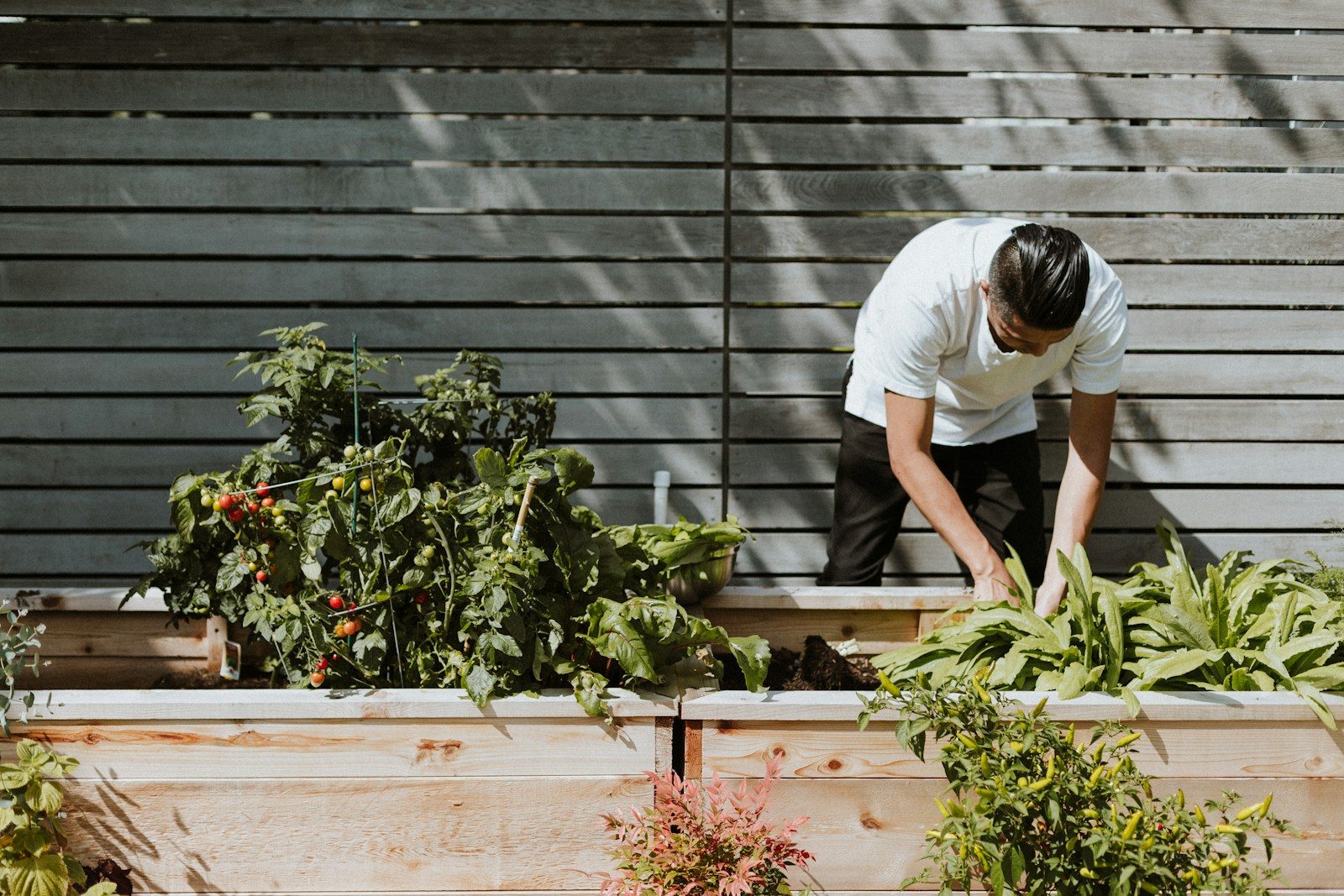
Mint and coriander provide regular harvests while cherry tomatoes can be extremely productive in containers when given enough sunlight.
Adding marigolds among vegetables also helps attract beneficial insects and brings more color to the garden.
Building Healthy Soil for Long-Term Plant Growth
Good Soil Solves Many Problems
Healthy soil is the foundation of every successful terrace garden.
Weak soil often results in poor growth nutrient deficiencies and smaller harvests.
Create a Balanced Growing Medium
Container plants need soil that drains well while still holding enough moisture.
Basic Soil Mix Formula
- Garden soil
- Compost
- Coco peat
- Organic matter
A balanced mix helps roots grow properly while providing nutrients and retaining moisture.
Compost is especially valuable because it improves soil structure naturally. Many gardeners create compost from kitchen vegetable scraps using simple home composting systems.
For reliable composting tips many gardeners follow guidance from ICAR – Indian Council of Agricultural Research and National Horticulture Board.
Watering Systems That Save Time and Water
Efficient Watering Matters
Water management becomes even more important during Indian summers.
Many gardens struggle not because of a lack of effort but because watering is inconsistent.
Create a Sustainable Routine
Water-Saving Techniques
- Drip irrigation systems
- Mulching
- Self-watering containers
- Rainwater harvesting
- Early morning watering
Mulch helps reduce water loss by covering exposed soil.
Drip irrigation systems deliver water directly to roots which helps reduce waste and saves time. Information about efficient irrigation practices can also be found through Ministry of Agriculture & Farmers Welfare.
Watering early in the morning generally gives plants the best chance to absorb moisture before the day’s heat arrives.
Managing Sunlight Shade and Seasonal Changes
Every Season Requires Adjustments
Weather conditions change throughout the year and successful gardeners learn to adapt.
Sunlight affects plant growth flowering and overall productivity.
Learn How Plants Respond
General Sunlight Guidelines
- Leafy greens: partial sunlight
- Herbs: moderate sunlight
- Tomatoes: full sunlight
- Chilies: full sunlight
- Flowering plants: moderate to full sunlight
During peak summer some crops benefit from shade nets that reduce heat stress.
Spinach and lettuce often perform better under filtered sunlight while tomatoes and chilies usually prefer full sun.
During monsoon months heavy rain may increase fungal problems so temporary covers can be useful for sensitive plants.
Natural Pest Control for Home Gardeners
Prevention Is Better Than Treatment
Pests are part of gardening but they do not have to become a major problem.
Healthy plants are naturally more resistant to pests and diseases.
Build a Balanced Garden Environment
Effective Natural Approaches
- Neem oil sprays
- Companion planting
- Manual pest removal
- Proper spacing
- Healthy soil management
Neem-based solutions are widely used across India for natural pest control. Reliable information about neem and sustainable gardening practices can be found through National Institute of Agricultural Extension Management (MANAGE).
Regular inspections help you catch problems before they spread throughout the garden.
Growing Vegetables Herbs and Fruits Successfully
Start With Easy Crops
Growing your own food is one of the most satisfying parts of terrace gardening.
Beginners often get better results when they start with simple reliable crops.
Build Confidence Through Small Wins
Productive Edible Plants
- Coriander
- Mint
- Spinach
- Radish
- Tomatoes
- Chilies
- Lemon
- Container-friendly guava varieties
Herbs usually provide the quickest rewards because they grow fast and require little space.
A few pots of coriander and mint can supply fresh ingredients for daily cooking throughout much of the year.
Budget-Friendly Terrace Garden Ideas for Beginners
You Do Not Need a Large Budget
A lot of people assume gardening is expensive but that is not always true.
Many successful gardens begin with just a few containers and basic supplies.
Spend Smartly
Areas Worth Investing In
- Quality soil mix
- Healthy seedlings
- Reliable containers
- Watering equipment
You can often reuse old buckets storage bins paint containers and wooden crates after making a few simple modifications.
Instead of spending heavily on decorative items focus first on creating healthy growing conditions for your plants.
Easy Maintenance Habits for a Thriving Terrace Garden
Consistency Beats Complexity
The healthiest gardens are usually maintained through simple habits rather than complicated routines.
A few minutes of attention each day can prevent many problems from becoming serious.
Create a Weekly Gardening Schedule
Useful Routine Activities
- Check soil moisture
- Inspect for pests
- Remove dead leaves
- Add compost when required
- Harvest mature crops
- Keep growing areas clean
Spending even fifteen minutes each morning observing your plants can help you spot issues early.
Regular harvesting also encourages many herbs and vegetables to continue producing for longer periods.
Conclusion
A terrace garden can completely change the feel of a small Indian home. It gives you a space to grow fresh food enjoy greenery and spend time outdoors without needing a large backyard.
The most successful gardens are not always the biggest. They are the ones planned around local weather available sunlight and the homeowner’s daily routine. Start small learn as you go and focus on simple systems that are easy to maintain.
Over time even a compact terrace can become a thriving green space that provides fresh harvests beauty and enjoyment throughout the year.