For many families clutter isn’t caused by being lazy or disorganized. Most of the time it happens because life gets busy. Kids grow up fast needs change and new things keep coming into the house. Toys slowly take over the living room papers start stacking up on kitchen counters and closets get packed before anyone really notices.
A lot of decluttering advice sounds great in theory but doesn’t work in real life because it expects people to have hours of free time that most families simply don’t have.
The good news is that getting your home under control doesn’t mean spending an entire week organizing or creating a picture-perfect house. The methods that work best are usually the simple ones. They fit into everyday life and don’t add more stress to an already busy schedule.
Families everywhere are starting to focus on practical habits that save time reduce stress and make their homes easier to manage.
This guide looks at decluttering methods that work in real homes with real people and real schedules. Whether you’re raising young children dealing with teenagers juggling a busy job or trying to manage all of it at once these ideas can help you create a home that feels cleaner calmer and easier to live in without feeling overwhelmed.
Start with the Five-Minute Decluttering Method

Why Small Sessions Work Better
One of the biggest reasons people avoid decluttering is because they think it needs hours of effort. Most families can’t set aside an entire weekend just to organize their home. That’s where the five-minute method helps. It removes that pressure and makes getting started feel much easier.
Turning Small Actions into Big Results
Instead of trying to tackle a whole room pick one tiny area. Maybe it’s a kitchen drawer a shelf in the hallway or a basket full of toys. Small tasks feel manageable and because they’re so simple you’re much more likely to finish them.
Building Momentum Every Day
Five minutes might not sound like much but those few minutes add up faster than you’d think. A family that clears one small area every evening can completely change the look and feel of their home within a few months.
It also helps cut down on decision fatigue. Instead of staring at hundreds of things and wondering what to do with them you’re only dealing with a handful of items at a time. That makes decisions much easier.
A lot of families make this part of their evening routine. They set a timer after dinner everyone pitches in for five minutes and then moves on with the rest of their night. After a while it stops feeling like a chore and just becomes part of the day.
Use the One-In-One-Out Rule

Stop Clutter Before It Starts
Decluttering becomes much easier when fewer things are coming into the house. That’s what makes the One-In-One-Out Rule so effective.
How the System Works
The idea is simple. Whenever something new comes into your home something old has to leave.
This works especially well for:
- Clothing
- Shoes
- Toys
- Books
- Kitchen gadgets
The rule helps prevent things from piling up and encourages everyone to think a little more carefully before bringing home something new.
Making Better Buying Decisions
Before buying anything new ask yourself one question. Am I willing to get rid of something I already own?
That simple question can stop a surprising number of impulse purchases.
For example if a child gets a new toy they can choose an older one to donate. If someone buys a new jacket they can pass along one they never wear anymore.
Over time this keeps storage areas under control and helps the house stay organized without needing constant decluttering sessions.
Create a Family Decluttering Routine

Consistency Beats Motivation
Waiting until clutter gets completely out of hand usually leads to frustration. A regular routine helps stop that cycle before it starts.
Choosing a Realistic Schedule
Every family is different. Some people prefer a quick daily reset while others like setting aside time once a week.
Common options include:
- Ten minutes each evening
- A Sunday afternoon reset
- Monthly room checkups
- Seasonal decluttering sessions
The best schedule is simply the one your family can stick with.
Making It a Team Activity
Decluttering works better when everyone helps. Younger kids can sort toys teenagers can manage their own rooms and adults can focus on shared spaces.
Having a routine also reduces arguments because everyone knows what needs to be done and when it happens.
Small efforts done regularly almost always work better than spending an exhausting weekend cleaning once every few months.
Apply the Four-Box Decluttering Method

A Simple Decision-Making System
One of the hardest parts of decluttering is deciding what to do with each item. The Four-Box Method makes those decisions much easier.
The Four Categories
Label four containers:
- Keep
- Donate
- Trash
- Relocate
Every item has to go into one of those boxes.
Why This Method Reduces Stress
A lot of people end up moving things from one pile to another without ever making a decision. This method forces action.
An old shirt that no longer fits goes into Donate. A broken toy goes into Trash. A book that belongs in another room goes into Relocate.
Instead of feeling overwhelmed by everything at once you only focus on one item at a time which makes the process much more manageable.
Focus on High-Clutter Zones First

Not Every Area Needs Equal Attention
Some parts of the home create more stress than others. Starting with those areas gives you the biggest improvement right away.
Common Trouble Spots
Many families struggle with:
- Entryways
- Kitchen counters
- Dining tables
- Laundry rooms
- Living room surfaces
These are usually the places where clutter builds up the fastest.
Creating Immediate Improvement
A clear entryway makes mornings easier. A clean kitchen counter makes cooking less stressful. A tidy living room feels more relaxing after a long day.
When you focus on these high-impact spaces first you’ll see results much faster which helps keep you motivated.
Teach Children Ownership of Their Belongings

Decluttering Is a Life Skill
Kids who learn how to stay organized early often carry those habits with them as they grow older.
Giving Kids Simple Responsibilities
Younger children can:
- Put toys away
- Sort books
- Donate things they no longer use
Older children can take care of closets desks and their own storage areas.
Making Decisions Easier
Many children find it hard to let go of things. Instead of forcing the issue try asking simple questions like:
- Do you still play with this?
- Does it still fit?
- Have you used it this year?
- Would another child enjoy it more?
These questions help kids make their own decisions without turning decluttering into an argument.
When children take part in the process they learn responsibility and understand that owning things also means taking care of them.
Declutter by Category Instead of Room

A More Effective Approach
A lot of people start with one room at a time. Sometimes that works but decluttering by category often gives better results.
Seeing the Full Picture
Gather all items from one category into the same place such as:
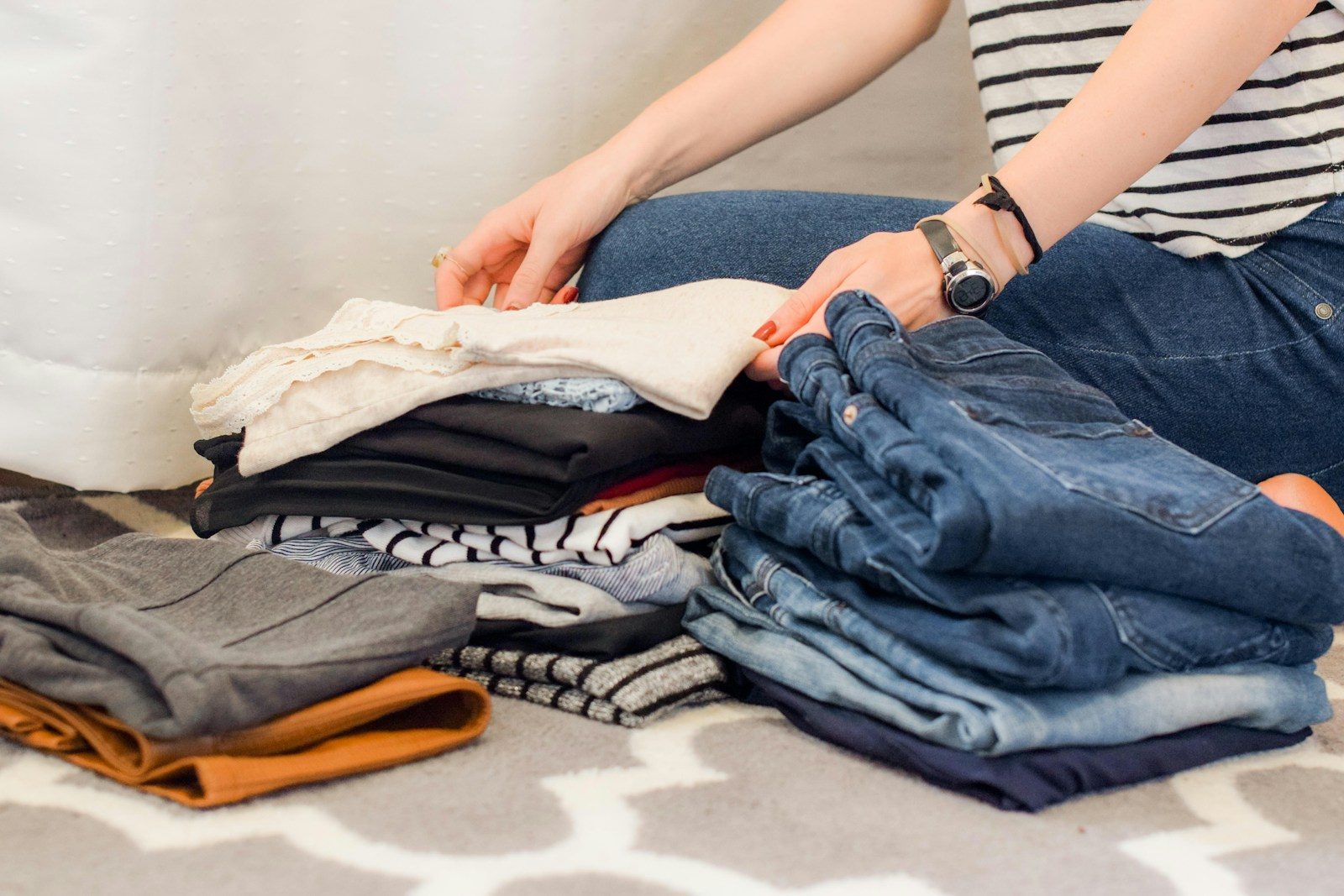
- Clothing
- Books
- Toys
- Electronics
- Kitchen tools
Seeing everything together can be a real eye-opener.
Preventing Duplicate Purchases
Many families discover they own multiple versions of the same item hidden in different rooms.
Once everything is in one place it’s easier to spot duplicates and get rid of things that are no longer useful.
For example gathering every toy from every room often reveals plenty of forgotten broken or unused items.
Adopt the 20-Minute Reset Method

A Practical Solution for Busy Evenings
Daily mess can build up quickly if nobody deals with it. The 20-minute reset helps stop clutter before it becomes overwhelming.
How It Works
Set a timer for 20 minutes every evening and have everyone put things back where they belong.
The Power of Daily Maintenance
This works because you’re dealing with clutter while it’s still small instead of waiting until it becomes a huge project.
Most families find that 20 minutes is long enough to make noticeable progress but short enough to fit into a busy schedule.
It also helps the home feel calm and organized before the next day starts.
Reduce Paper Clutter Permanently

One of the Most Common Household Problems
School papers bills receipts flyers and mail can quickly take over every flat surface in the house.
Creating a Paper Management System
Give important papers a dedicated place including:
- Important documents
- Incoming mail
- School paperwork
- Bills
Try not to let papers pile up on counters tables and other shared spaces.
Going Digital Where Possible
Many companies now offer online records and paperless statements.
Switching to digital options whenever possible can dramatically reduce paper clutter and make documents easier to find when you need them.
Make Donation Easy and Accessible

Remove Friction from the Process
A lot of decluttering projects stall because unwanted items never actually leave the house.
Create a Donation Station
Keep a basket or bin somewhere easy to reach. Whenever someone finds something they no longer need they can place it there right away.
Schedule Regular Drop-Offs
The system only works if those items eventually leave your home.
Organizations like Goodwill Industries and The Salvation Army make donating simple in many areas.
Having a permanent donation spot encourages decluttering all year instead of only during major cleanouts.
Let Function Guide Organization

Focus on Daily Life
The best organization system isn’t necessarily the prettiest one. It’s the one your family will actually use.
Organize Around Habits
Keep frequently used items close to where they’re needed.
Examples include:
- School supplies near homework areas
- Shoes near the front door
- Toys near play areas
- Chargers near workstations
Reducing Daily Frustration
When storage makes sense people naturally put things back where they belong.
That’s why simple practical systems often work better than complicated organization setups.
Accept Progress Instead of Perfection

The Biggest Decluttering Mistake
A lot of families give up because they’re aiming for perfection.
Real Homes Need Realistic Expectations
Kids grow schedules change and life gets messy. That’s normal.
The goal isn’t to create a home that looks like it belongs in a magazine. The goal is to create a space that works well for your family.
Building Sustainable Habits
Successful decluttering usually comes down to:
- Consistency
- Simplicity
- Practical systems
- Family participation
A home that’s mostly organized and easy to maintain is far more valuable than one that’s perfectly styled but stressful to keep that way.
Conclusion
Decluttering doesn’t require endless free time expensive storage solutions or a complete lifestyle makeover. The methods that work best are simple realistic and easy to repeat. Small daily habits category-based sorting quick resets family teamwork and practical organization systems can completely change how a home feels.
The biggest secret is consistency. Five minutes today a donation box by the door a quick evening reset or a weekly family clean-up session may seem small but those little actions add up over time.
Instead of waiting for the perfect moment to get organized start with one method that fits your life right now. Stick with it and before long you’ll have a home that feels easier to manage more peaceful to live in and a lot less stressful every day.